Challenges of Honolulu Tree Trimming and Removal
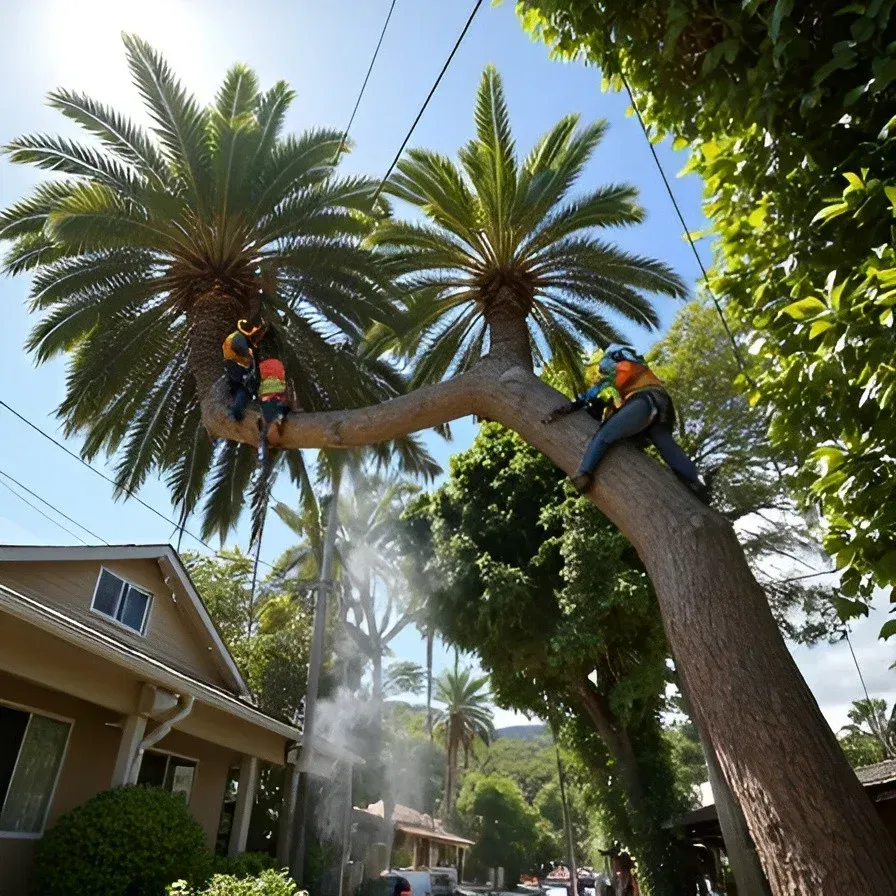
It might be tough to decide to cut down a tree. When it comes to tree trimming or tree removal, the safest option is to hire a professional arborist. When it comes to tree trimming or removal, timing is crucial. It is typically ideal for removing or trimming trees during the dormant months, depending on the species (November through April). Due to insect/disease transfer risk, you must only trim or remove species including oak, elm, and ash trees during the dormant months. It's also a good idea to prune before the tree's structure is obscured by leaves and foliage. So there are also many challenge people face in trimming or removing tree that make people think about while removing or trimming trees.
Here are some Challenges of Honolulu Tree Trimming and Removal:
Why is it so Difficult to Remove a Tree?
A decision to cut down a tree might be made for several reasons. Often, the selection is based on the location or overall health of the tree. The choice to remove a tree has been taken. There are two common tree removal scenarios:
Removing a tree in a distant place is a relatively quick and straightforward task. A professional service may advise how to cut the tree, so it falls in a specific direction or use a crane to relocate trees from any area and away from existing structures or people. The tree has been taken down, and the debris has been cleaned up.
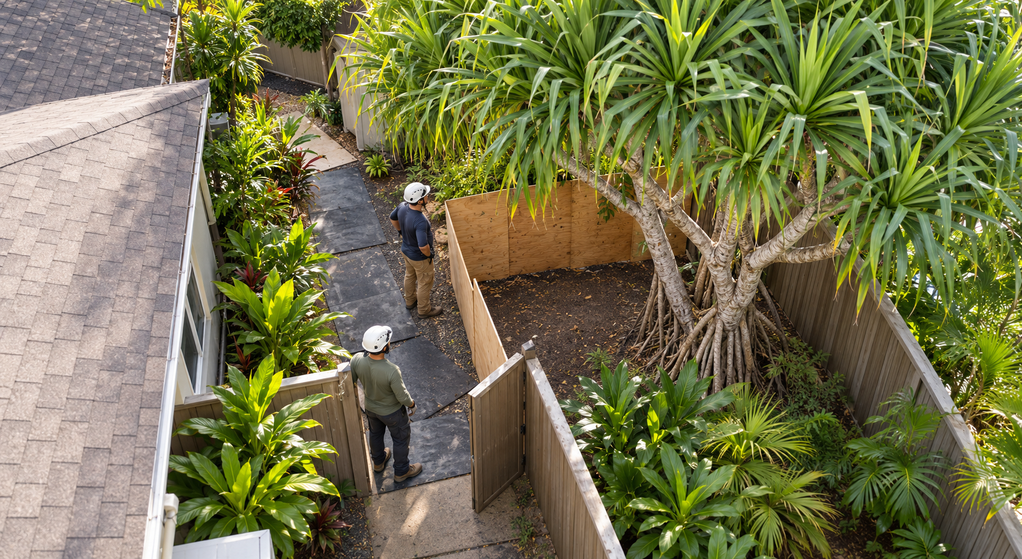
Cutting down a tree in a densely populated area may be a time-consuming and challenging task that should be handled by a professional arborist whenever feasible. From branches to treetops, falling tree debris may be dangerous and deadly if not managed appropriately. Ladders, axes, and chainsaws are among the tools required, as are cranes and wood chippers.
Safety Precautions & Required Equipment
It's critical to have a proper license (ISA Certified Arborist) and insurance (CAPRI Insurance) while removing a tree for the safety of everyone involved. Not only does staff for Tree Service follow all WorkSafeBC laws and regulations, but we've also assisted in the creation and maintenance of specific work instructions. To now, Action Tree is the only firm in Honolulu that has been granted permission to hoist a man on the crane's ball. This form of certification allows arborists to work in towering trees without having to climb into position, conserving energy and allowing them to focus on the safe removal of the tree.
Extensive equipment fleet includes bucket trucks, several wood chippers, cranes, small skid steers, stump grinders, and all other instruments required to finish a project, leaving clients with less mess and more efficiency than competitors. Take every feasible safety precaution since they understand that tree removal might differ between life and death for everyone concerned. All safety regulations are fulfilled and, where possible, surpassed, from safety eyewear to certifications. Tree service should be fully insured, and a municipally having certified contractor, guaranteeing that people will receive the most satisfactory possible service.
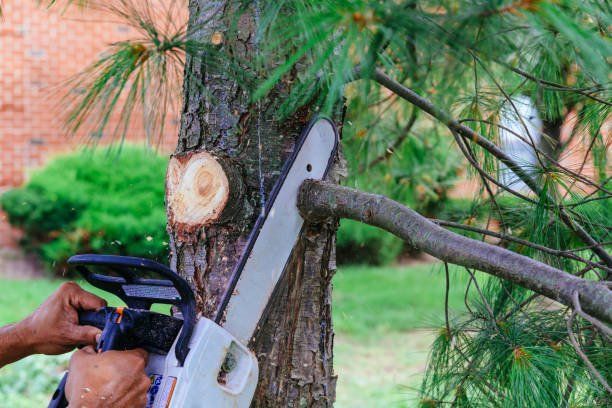
It’s Too Dangerous So Hire a Professional
Most tree trimming and removal projects are too dangerous for the typical do-it-yourselfer to attempt. Employ the services of an expert. Maryland requires that a professional have a "Tree Expert" license. Look for licensed tree care providers online. In addition, several tree service firms’ use "certified arborists." That is a well-respected certification in the tree-care sector.
Certified arborists are those who have completed a thorough exam created by some of the country's finest tree specialists. The International Society of Arboriculture manages the certification program (ISA). Certified arborists are experts in all aspects of tree care and should be contacted when assessing a tree's health and managing insects and diseases. Even for seasoned tree specialists, removing these trees may be difficult.