Oahu Tree Trimming and Removal Expert’s Guide to Sustainable Integrated Pest Management
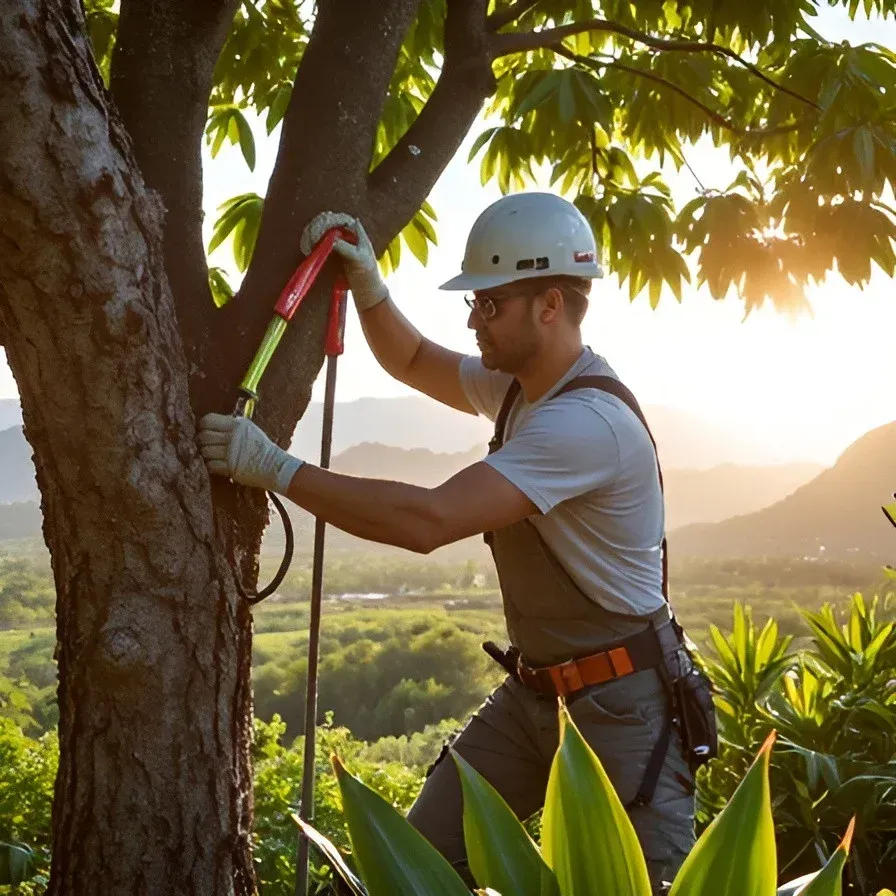
Pests are the No.1 enemy not only of trees but also of any plants. Whether it is a farm, residential, or commercial space with trees, the surroundings can become disrupted if there’s an infestation. That is why scientists designed integrated pest management (IPM), which Oahu Tree Trimming and Removal Experts use to preserve the lush landscapes of Oahu. These practices allow us to take care of trees without solely relying on chemicals. Let us discuss its other benefits and how it can be effectively applied to tree care in Oahu.
What is Integrated Pest Management?
This is a holistic approach to long-term pest prevention that can be done through a combination of techniques. It is an ecosystem-based strategy that emphasizes understanding pest behavior, natural control methods, and minimal use of chemicals only when necessary. This approach is being utilized to reduce the impact of chemicals on the environment, protect beneficial organisms, and maintain the health of trees and landscapes.
What are the Key Principles of IPM for Oahu Tree Care?
Identification of Pests and Beneficial Organisms
Not only are insects considered pests or harmful, but some also can provide some benefits to trees and our environment. That is why the first step is to identify pests that affect your trees accurately. This can help in making informed decisions regarding pest control measures.
Monitoring and Assessing Pest Populations
After identifying the pest to get rid of, the next step is to monitor your trees regularly. It is important as it allows for early detection of pest infestations before they become a serious problem. Keep track of pest populations by inspecting tree leaves, branches, bark, and roots to identify any signs of damage or unusual activity to better understand the severity of the problem, which helps to determine the best course of action.
Implementing Prevention Strategies
After observing and identifying the best action carefully, this is the time to implement what has to be done. Prevention is a core component of IPM. This reduces pest infestations significantly, as prevention promotes healthy tree growth and creates unfavorable conditions for pests.
Oahu Tree Trimming and Removal Experts tips recommend some prevention strategies such as:
Proper
Tree Pruning: This helps to increase air circulation and sunlight, and prevents the spread of pest infestations.
Mulching: Applying mulch around the base of trees helps retain soil moisture, suppresses weeds, and supports beneficial soil organisms that outcompete pests in trees.
Soil Management: This involves proper aeration, fertilization, and pH balance adjustments which can help boost tree health and resilience.
Control Methods with Non-Chemical Solutions
Control methods are necessary when prevention doesn’t work out a lot. However, note that IPM encourages the use of control methods that minimize the risks to people, property, and the environment. These include the following:
Physical Controls: This talks about controlling pests by removing infected branches, installing barriers, or using traps.
Biological Controls: this utilizes natural predators, parasites, or pathogens which helps minimize the pest populations. For example, putting ladybugs and predator beetles as they are natural enemies of aphids and other soft-bodied insects infesting your trees.
Chemical Controls: Note that this is included but is the last resort and can be used only when other methods have failed to control the pests. Choose the less toxic options available and apply them solely in targeted areas. This minimizes their effect on non-target organisms and the environment.
Benefits of IPM in Tree Care
Enhanced Tree Health
The healthier the trees, the more they are resilient to pests and diseases. One of IPM’s purposes is to promote overall tree health with the use of proper care practices, reducing the stress on trees, and helping them recover quickly from pest damage.
Environmentally Friendly
As we have mentioned, IPM focuses on tree care methods and practices without solely relying on chemicals, which affects the environment positively. Reducing chemical usage prevents harm to beneficial insects, wildlife, and aquatic systems. This also supports a healthier ecosystem, making it a more sustainable option for the unique environment of Oahu.
Reduce Risk to Human Health
IPM reduces risk not only to animals and our environment but also directly to us. It is already a cliché that chemicals can affect our health significantly. This is essential, especially in residential areas, schools, and parks where children and pets frequently play.
Cost-effective
IPM implementation requires significantly lower costs compared to fully relying on chemicals and in some cases, IPM is free when the pests are managed by using physical and biological methods over the long run.
Key Takeaways
Integrated Pest Management is just like the scientific method of tree care. Both provide distinct steps but with different goals and purposes. As responsible Oahu Tree Trimming and Removal Experts, we are committed to promoting IPM as this effective approach has a lot of benefits with minimal drawbacks. If you need assistance with implementing IPM, we can help you maximize its full potential in your trees. To start, reach out to us today.