Reviving a Dying Tree: Tips from Oahu Tree Trimming and Removal Experts
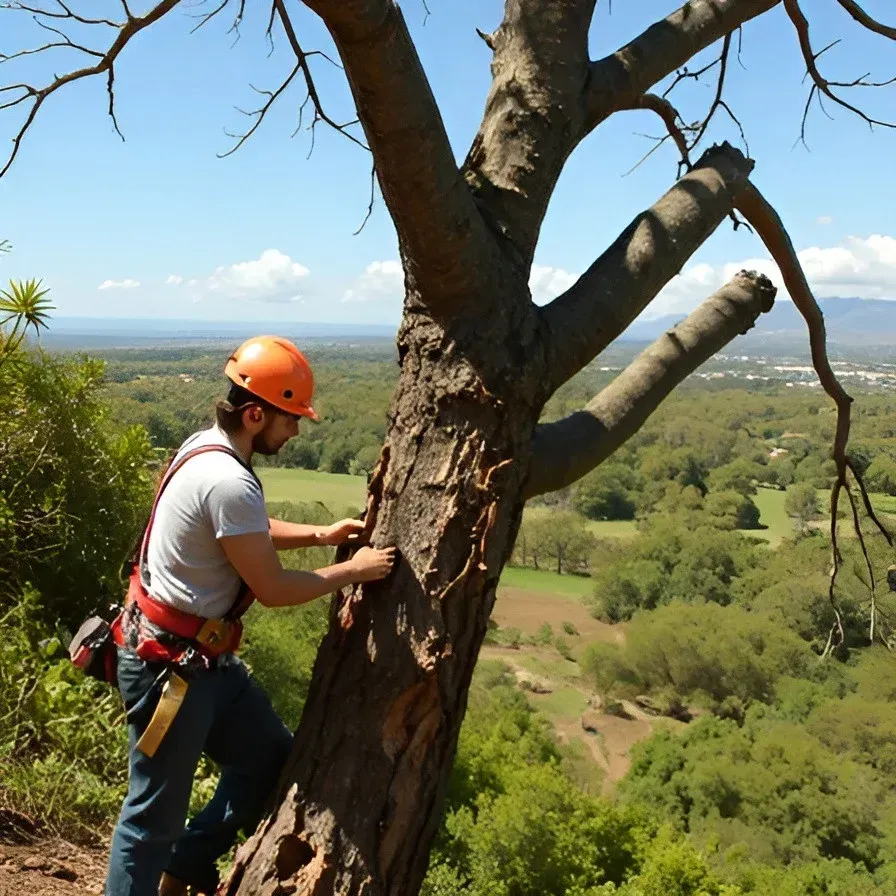
Trees take 20 – 30 years before they become fully matured. That period allows you to create many memories with your family, friends, or relatives, which adds weight when seeing your trees dying. If you are in the middle of this dilemma, good news —tree trimming and removal experts can provide assistance in saving your trees. In this guide, we will give you insights about how to revive a dying tree. So, if you want to learn more about this topic, you should check all the information we have provided below.
Before we continue, here are some signs that your trees might be in trouble. Note that even though you can save a dying tree, not all of them are worth saving due to various factors. If you find these signs in your trees, it means you have to pay more attention to them.
Leaves wilting, discoloration, or falling off prematurely
Cracks, splits, or missing bark
Fungi and mushrooms at the lower part to the base of the tree
Deteriorating or weak branches
Presence of insects or pests
If you notice any of these signs in your trees, it is best to take immediate action or seek professional assistance from Oahu Tree Trimming and Tree Removal Experts.
How to Revive a Dying Tree
Identifying the Problem
The first thing to do is to identify what is causing your trees to die. Many factors cause your trees to decline such as pests, diseases, bad soil conditions, or environmental reasons. If you need expert assistance in this aspect, consult with an Oahu tree care expert or arborist as they can effectively assess the problem with your trees.
Watering
An intense dry season affects the health of your trees significantly. That’s why ensuring that your trees are getting enough water is essential. Deep watering your trees once a week is better than everyday shallow watering. However, note that deep watering and overwatering are different from each other. Too much water can lead to root rot, worsening the health condition of your trees. To learn more about how to perform deep watering effectively, we already provided a guide about it on our previous blog that you can check out.
Mulching
Apply mulch around the base of your trees to help retain enough moisture and regulate soil temperature. Also, it can reduce the competition from grass and weeds. Just keep the mulch a few inches away from the trunk as putting them too close can increase the risk of rotting.
Pruning
Pruning your trees not only prevents the spread of decay and improves air circulation, but also helps them to heal and thrive, and prevent accidents and property damage as dead branches are more likely to break and fall. Pruning requires skills and techniques to perform, which is why it is best to leave it to the hands of professionals to ensure the quality of the pruning process.
Fertilizing
Applying a slow-release fertilizer (SRF) can give the nutrients your trees need that may not be present in the soil. But make sure to avoid adding too much as it can harm your trees. Slow-release fertilizer is the best for reviving trees as it provides steady nutrients without overwhelming them, and reduces the risk of nutrient burn.
Pest and Disease Control
Pests and diseases can significantly affect the health of your trees. They are also one of the main reasons why many trees die. Treat infestations or diseases promptly to prevent the damages from spreading. Ensure to resolve this with proper techniques by hiring Oahu tree trimming and removal experts if you are not confident enough to accomplish this task.
Soil Aeration
Too much-compacted soil hinders the soil from breathing, which leads the health of your trees to decline. Aerating the soil around your trees can enhance the absorption of water and nutrients significantly.
Is It Worth it to Revive a Dying Tree?
Sometimes, reviving a tree is a great decision but, in some instances, it can be impractical.
Here are some factors to determine whether reviving a tree is recommendable:
- Tree Species: Some trees have easier and simpler curing methods and some species are difficult to revive.
- Tree age: older and larger trees are harder to revive as the roots and branches are widely spread.
- Location: The location where the tree is planted can affect the design of your landscape. If your tree provides privacy, shades, or additional beauty, it may be worth reviving.
- Cost: Weigh the cost of reviving your tree against the benefits it offers. Assess it carefully to determine whether it’s more practical to revive or remove it.
Reviving a dying tree is possible if you are consistent and diligent enough to achieve this goal. But note that it is crucial to identify the health status of your tree before reviving it to ensure that all efforts are fruitful rather than wasted. Hire the best Oahu tree trimming and removal expert to maximize the potential of reviving your trees. Always keep in mind that it is still best to take care of your trees before you end up reviving them. Remember, prevention is better than cure. Feel free to
contact us to know more!