Preparing Hala Trees for Hawaii’s Stormy Weather
Summary
Preparing hala trees for stormy weather starts before strong winds arrive. Oahu homeowners should inspect for new leaning, broken growth, root disturbance, drainage problems, and hazards over occupied areas; schedule selective work early; reduce exposure beneath the canopy; and stop outdoor tree work once conditions become unsafe.
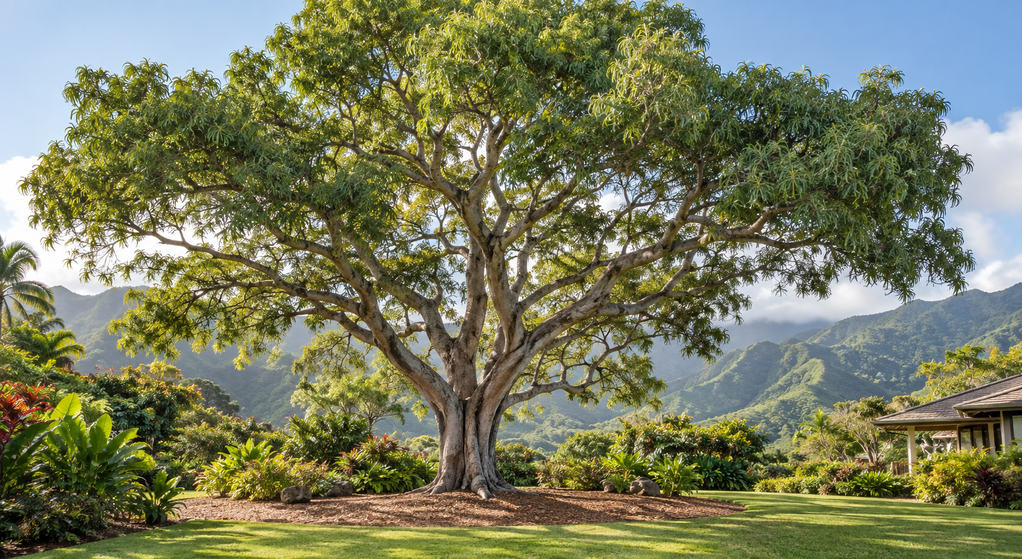
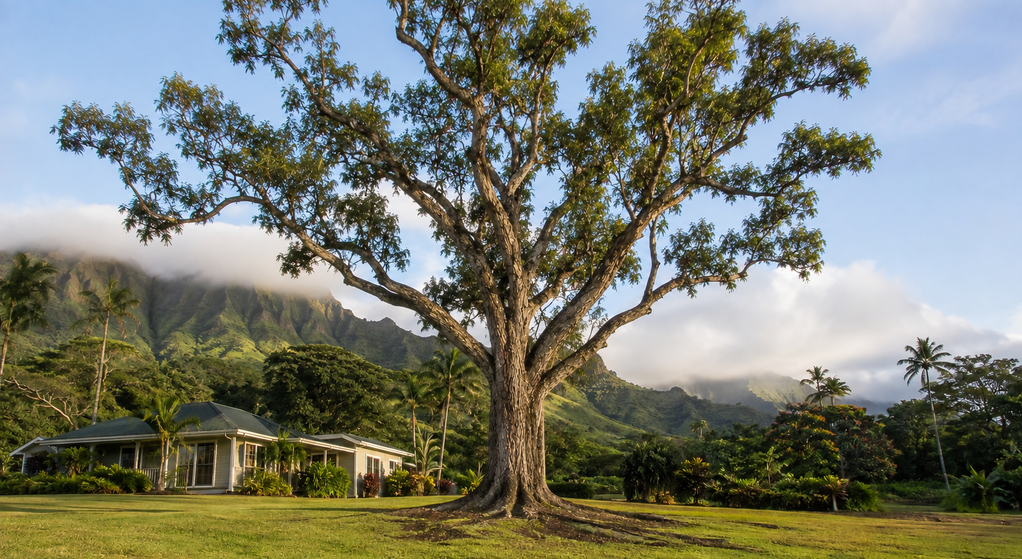
Storm preparation works best when it begins during calm weather, not after a warning creates pressure for rushed cutting. A hala beside a Honolulu home may overhang an entrance, parking area, roof, or outdoor seating, but the preparation plan should focus on identifiable defects and exposure rather than simply making the tree smaller.
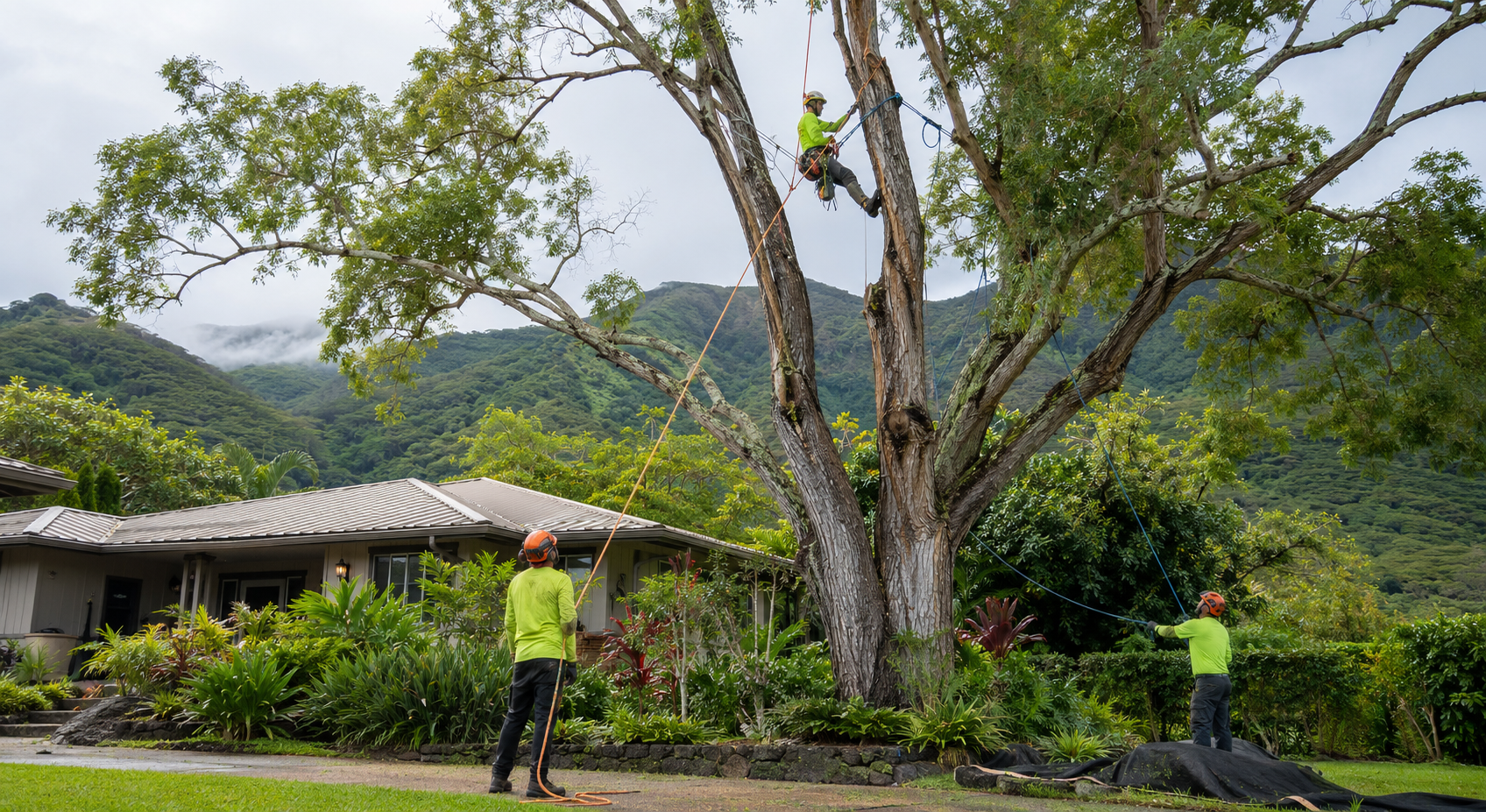
Professional tree trimming services in Honolulu can address pruning and clearance work that requires climbing or controlled handling near structures. Oahu Tree Trimming and Removal Services is owner-operated, and its website reports more than eight years of hands-on tree-service experience in Hawaii.
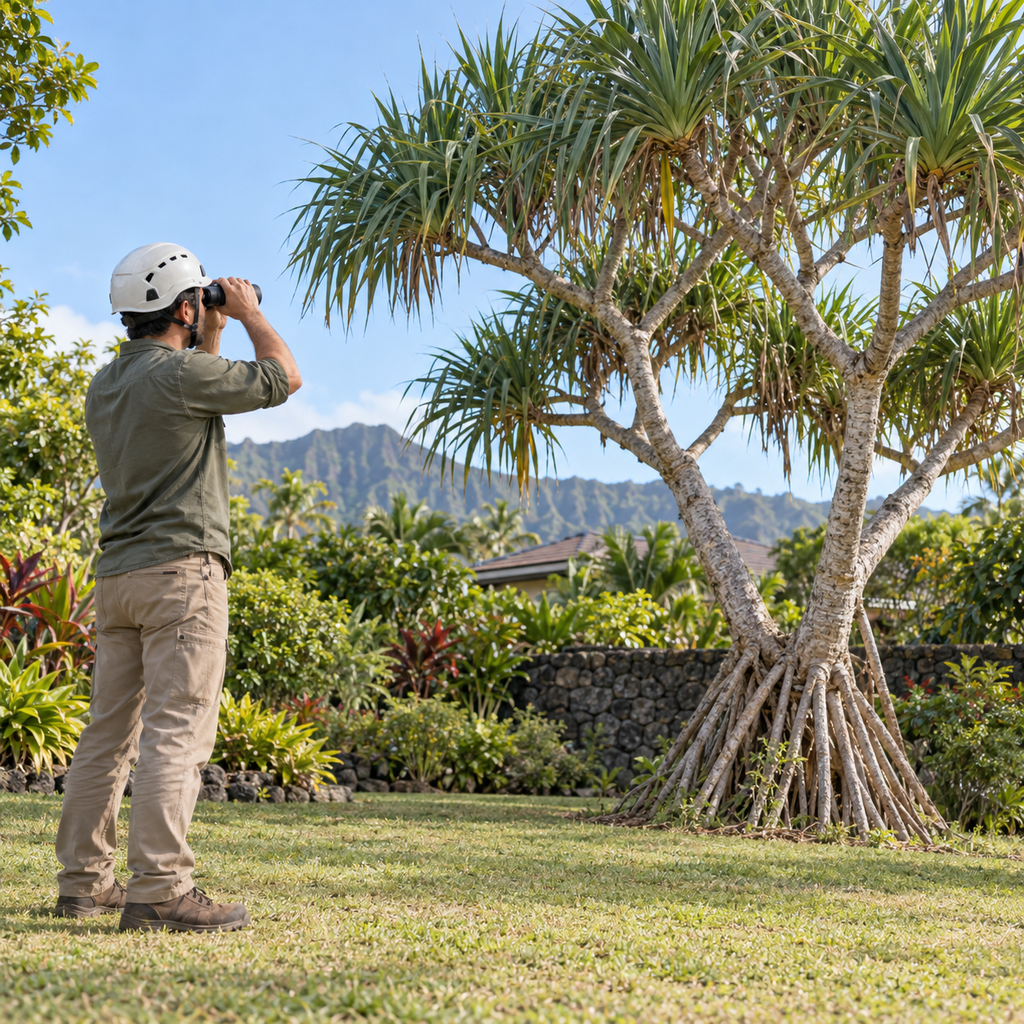
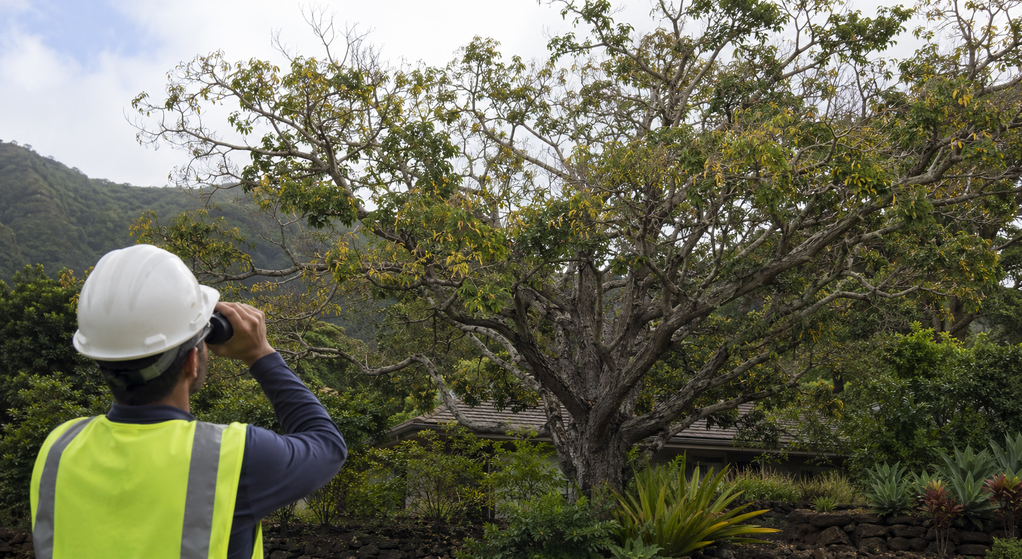
Step 1: Inspect the Tree During Calm Weather
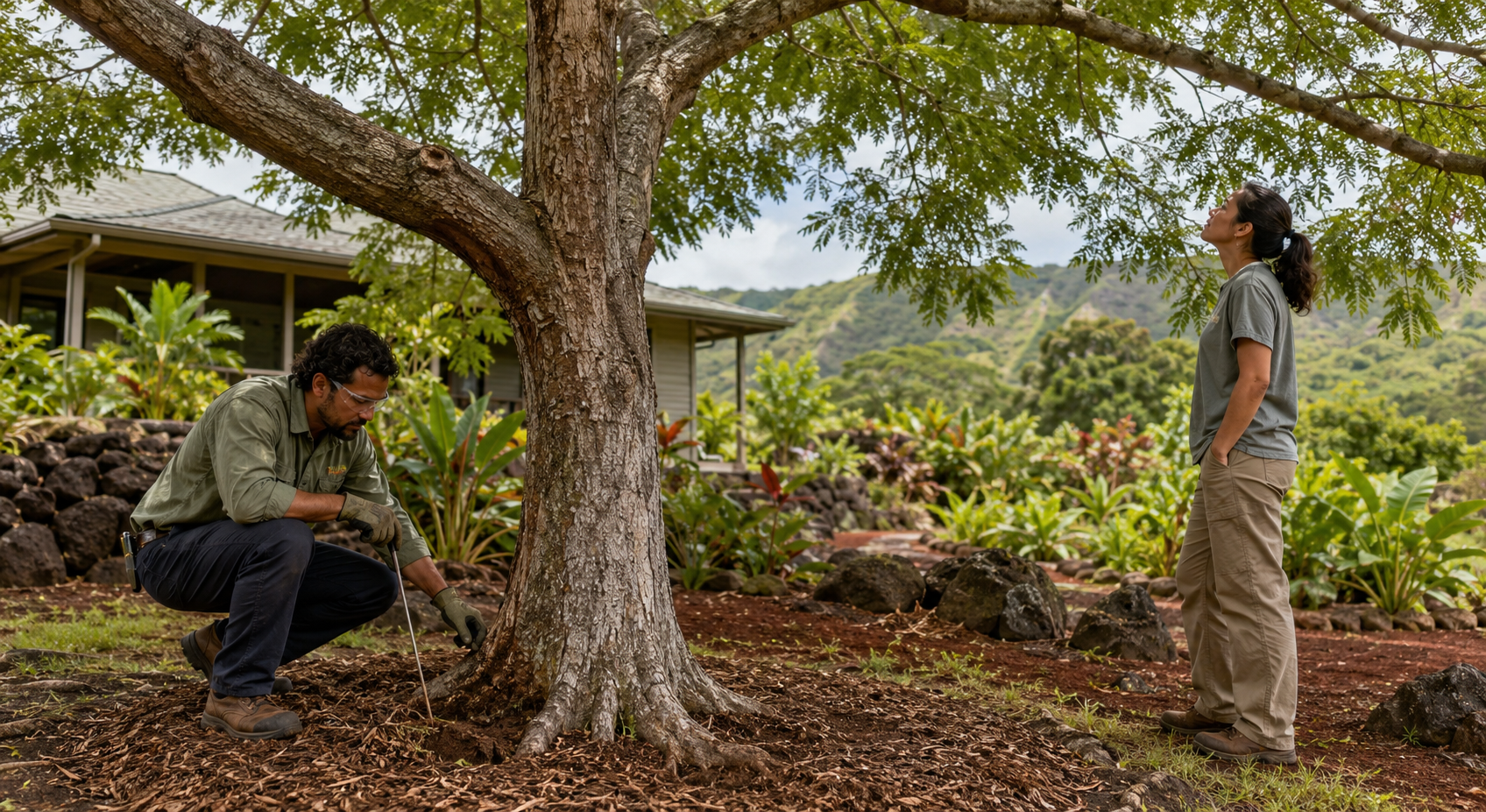
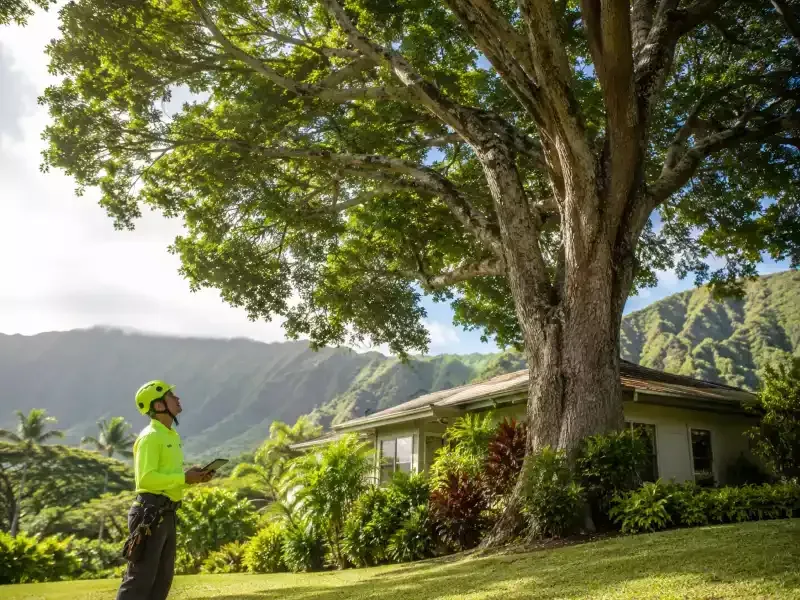
Compare the tree with older photographs if available. A longstanding growth angle is different from a lean that appeared after recent rain or wind. Look for fresh cracks, split or hanging branches, new soil lifting near the base, visible decay, and damage from recent excavation or vehicles.
Also map where branches or fruit hang over areas people use regularly. A defect above an unused planting bed creates a different exposure from the same defect over the main doorway or parking space.
If the main concern is long-term clearance from the building rather than storm preparation itself, Is Your Hala Tree Growing Too Close to Your House? provides a separate framework for roof contact, root space, and property-fit decisions.
Step 2: Schedule Selective Work Before a Storm Is Imminent
Arrange assessment and any necessary pruning early enough for the work and debris removal to be completed safely. A pile of cut material beside a driveway or drain becomes another storm-preparation problem if the weather changes before cleanup is finished.
The University of Florida’s guidance on preparing trees for hurricanes emphasizes correct pruning, removal of dead or cracked branches, attention to root damage, and professional evaluation of larger trees. That guidance is general rather than hala-specific, so the individual tree’s species, form, and condition still need to guide the work.
Avoid requesting a dramatic crown reduction simply because strong winds are forecast. Ask what each proposed cut is intended to accomplish: removing damaged growth, improving necessary clearance, or addressing a particular defect. A defined objective is more useful than a generic instruction to “hurricane prune” the tree.
Step 3: Reduce Exposure Beneath the Canopy
Before weather worsens, move vehicles, portable furniture, toys, and other movable items away from areas directly beneath concerning growth where practical. Keep exit routes and entrances clear.
On fruit-bearing hala, ask whether mature fruit above occupied areas warrants managed removal as part of the preparation scope. Do not climb the tree or stand beneath overhead material while trying to pull it down.
If branches approach electrical lines, contact the utility or appropriately qualified personnel. Household tools and ordinary pruning equipment are not appropriate for line-clearance work.
Step 4: Protect Prop Roots and Drainage Before Heavy Rain
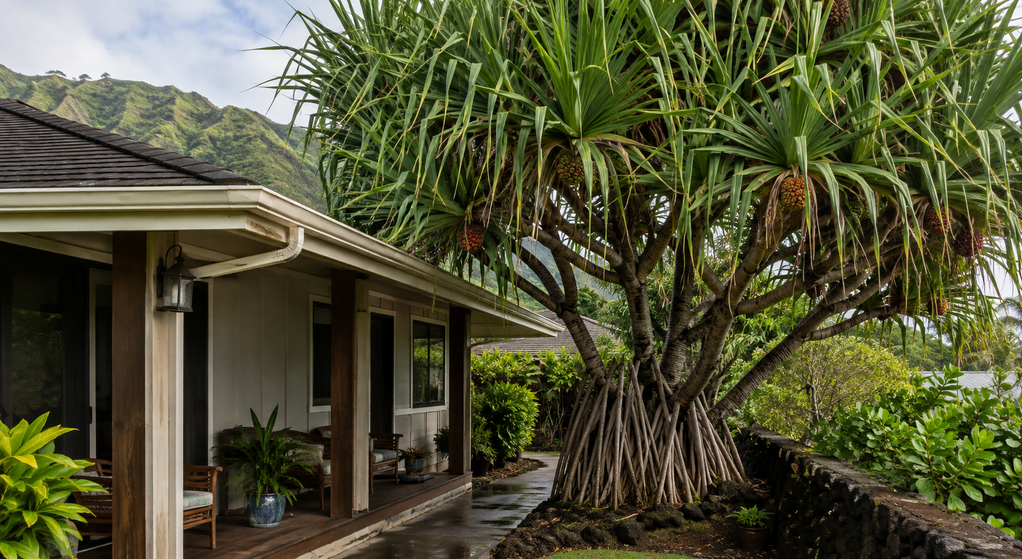
Hala develops prominent aerial or prop roots around the base. Keep vehicles, stored materials, and last-minute excavation away from that area. Tell the assessing professional about recent trenching, paving, root cutting, or construction even if the canopy still appears normal.
Remove loose leaves and fallen fruit from accessible ground-level drain openings, then observe where runoff normally moves. Persistent pooling or erosion near the tree should be reported rather than “fixed” by digging an unplanned trench
through the root area.
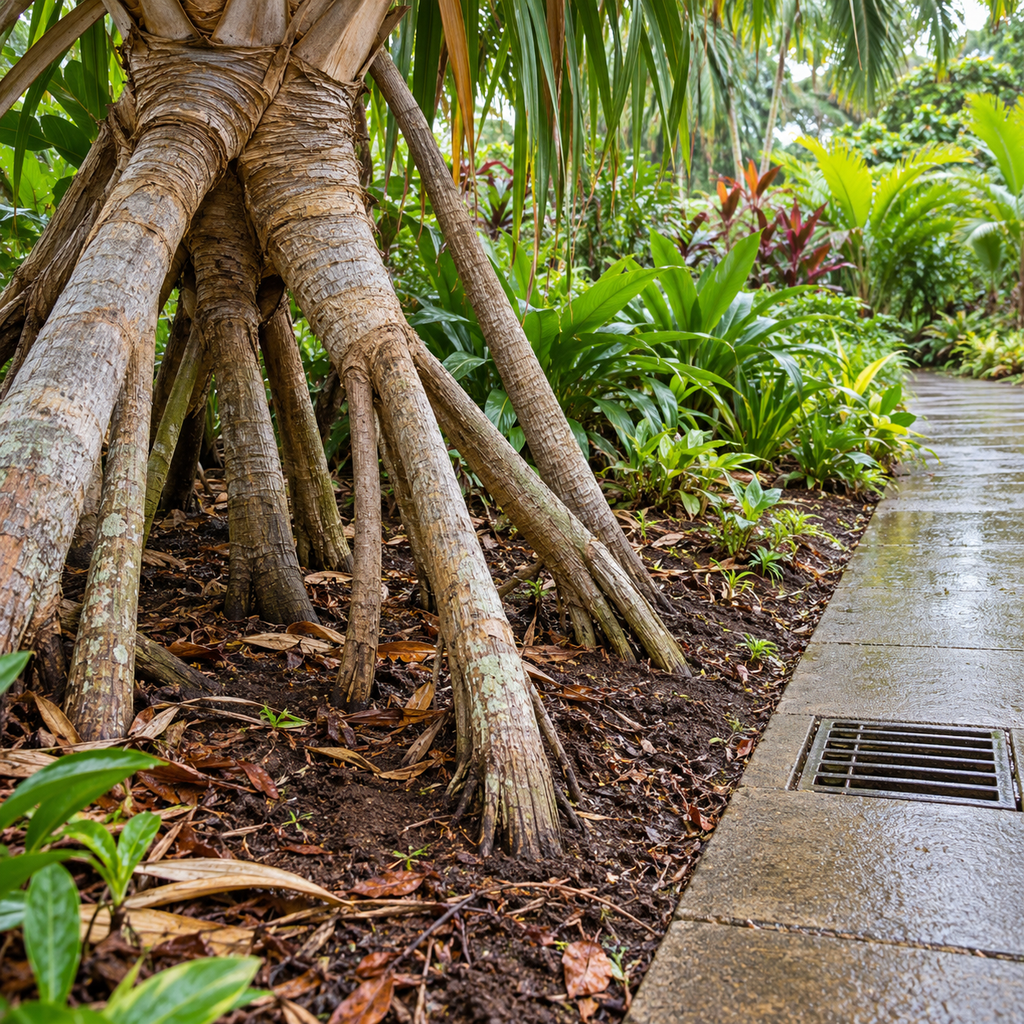
Drainage changes need a destination for redirected water and should account for existing roots. A hurried drainage cut can create a new root or erosion problem while trying to solve another one.
Step 5: Stop Outdoor Tree Work When Conditions Deteriorate
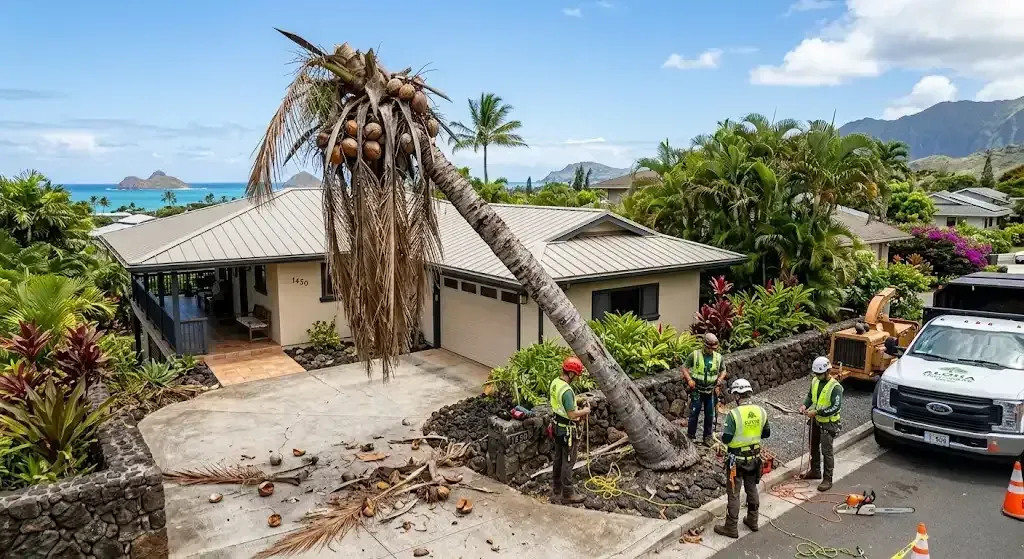
Once strong winds or unsafe conditions arrive, shift from yard work to shelter. Do not use ladders, attempt overhead cutting, climb the tree, or walk beneath damaged growth to collect debris.
Keep people and pets away from areas beneath hanging branches or visibly shifted trees. Stay clear of fallen electrical lines and anything touching them. Storm preparation should reduce exposure before the event, not create a reason to work outdoors during it
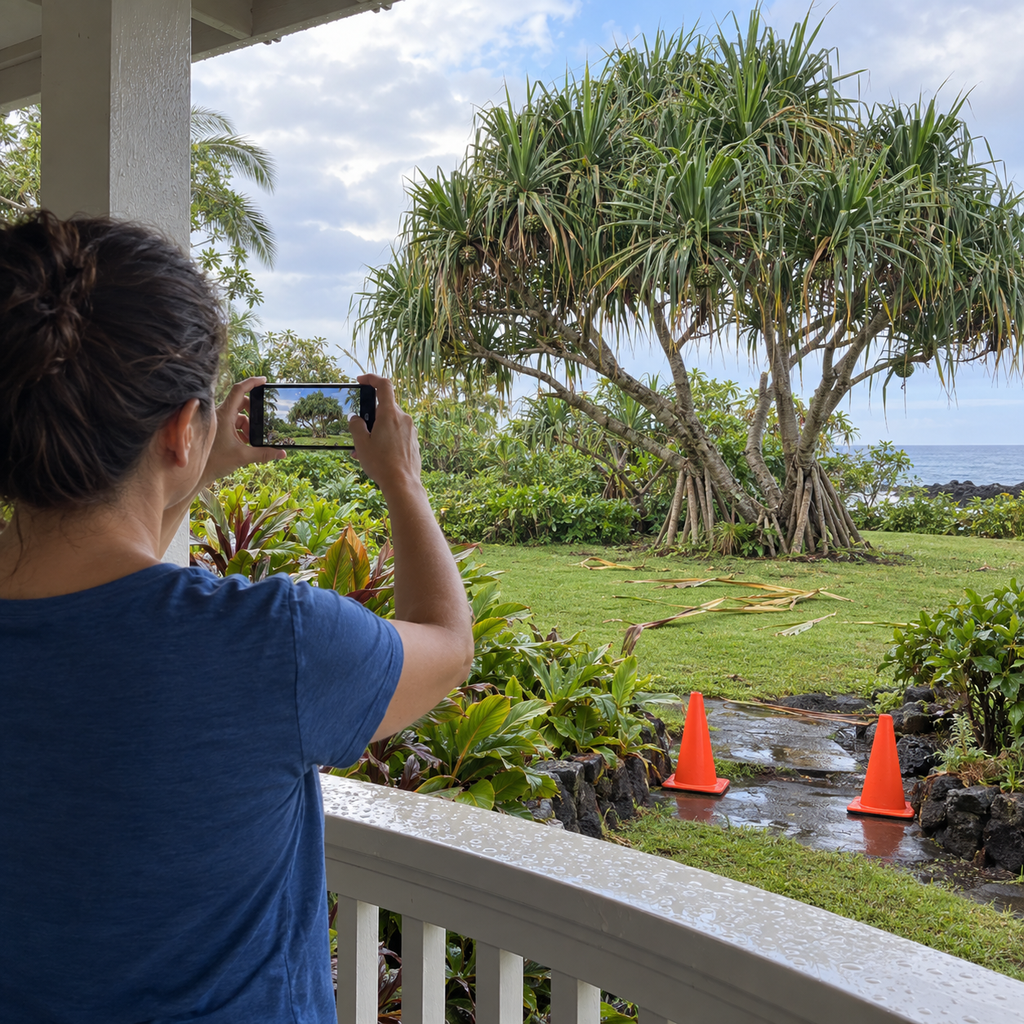
Step 6: Reassess Before Reopening the Area After the Storm
After conditions improve, inspect from a safe distance before reopening paths, parking spaces, or seating areas. Look for fresh leaning, disturbed soil, split branches, hanging material, and new contact with structures.
How a Professional Arborist in Oahu HI Can Save Your Storm-Damaged Trees provides the next-stage context for assessment and recovery after storm damage.
Leaf loss alone does not determine whether a hala needs removal. Structural condition, root support, damaged branches, and the consequences of failure require separate consideration.
A practical storm plan is chronological: inspect early, complete selective work before weather pressure builds, reduce exposure beneath the tree, protect the root area and drainage, stop outdoor work when conditions become unsafe, and reassess before normal use resumes.

Written By:
Kurt Manalastas
Environmental Property Care Content Writer
Kurt produces research-driven content centered on tree care, landscaping, and environmental property management. Drawing from arborist-informed practices, site-specific conditions, and practical homeowner concerns, he provides clear, actionable guidance to help readers maintain safer, healthier, and more sustainable outdoor environments.