How a Professional Arborist in Oahu HI Can Save Your Storm-Damaged Trees
Sometimes, nature becomes aggressive and vents its fury through storms and floods. Our poor trees bear the brunt of it. It’s deeply saddening to see a lush, tall tree injured. For some, trees are cherished companions; for others, merely the sight of them brings joy. Seeing trees in distress is truly painful. So, what can be done to help them survive a storm?
What if I told you there’s a solution? That a professional arborist can swoop in like a tree superhero and save the day?
After the Storm: What You Should Do First
Storm damage can be dramatic. But before you run out to check your trees, stop. Safety is priority number one.
Look for fallen branches, leaning trees, or any that are tangled in power lines. If you see anything that screams danger, step back. Call a professional right away. For trees that seem okay, take note of visible damage. Broken branches? Split trunks? Hanging limbs? All these are warning signs that your trees need help. If you're unsure what to look for, this guide on avoiding common pitfalls from Oahu tree trimming experts can help you stay safe and spot serious issues early.
The Arborist’s Secret Superpower: Tree Assessment
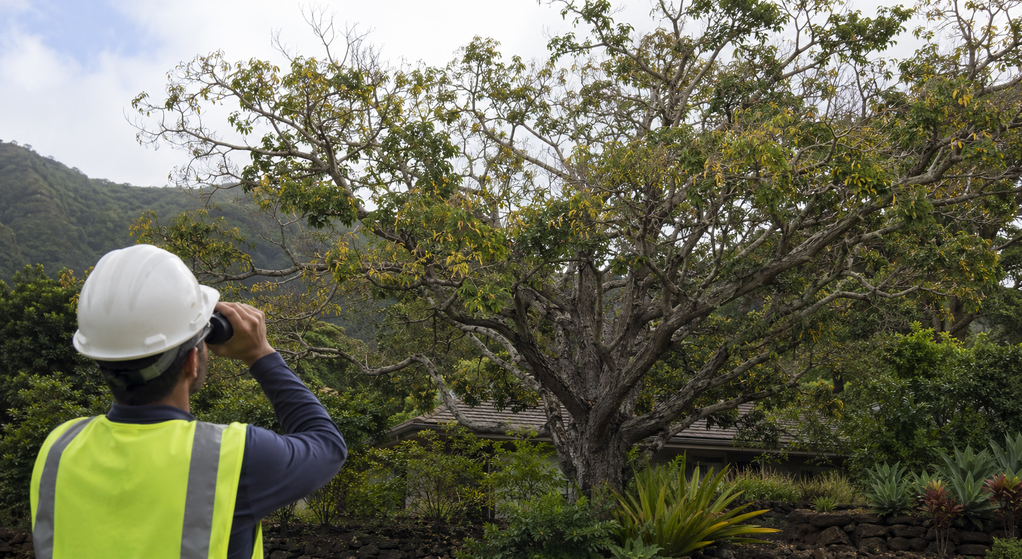
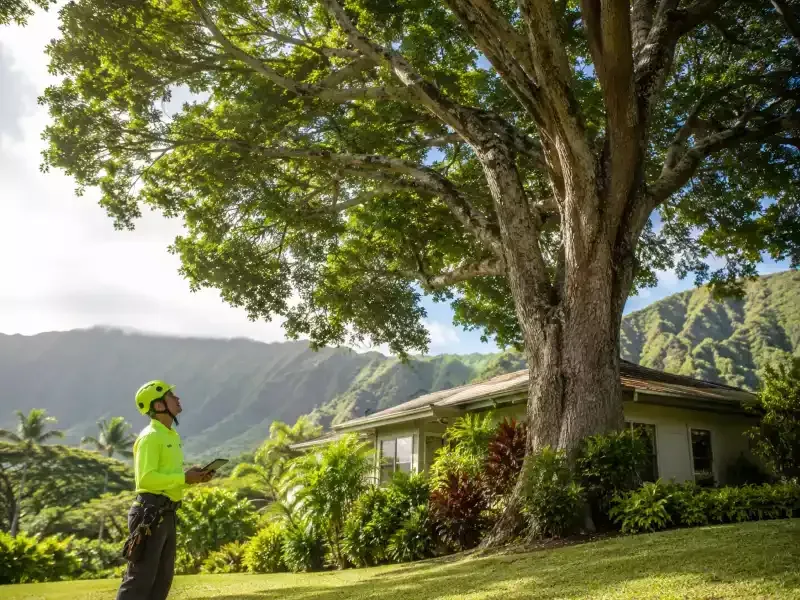
An arborist doesn’t just glance at a tree and guess. They evaluate like detectives on a case. First, they check for structural damage. Is the trunk cracked? Are roots exposed? They also look at the canopy to spot hidden dangers.
Arborists don’t just see a damaged tree—they see potential. They assess if it’s worth saving or if removal is the only safe option. It’s not just about the tree’s current state. They know how the tree can recover without becoming a hazard down the road. For a deeper understanding of what goes into these evaluations, check out these advanced tree care techniques used by Oahu professionals.
How Arborists Work Their Magic to Save Storm-Damaged Trees
Pruning and Trimming: First Aid for Your Tree
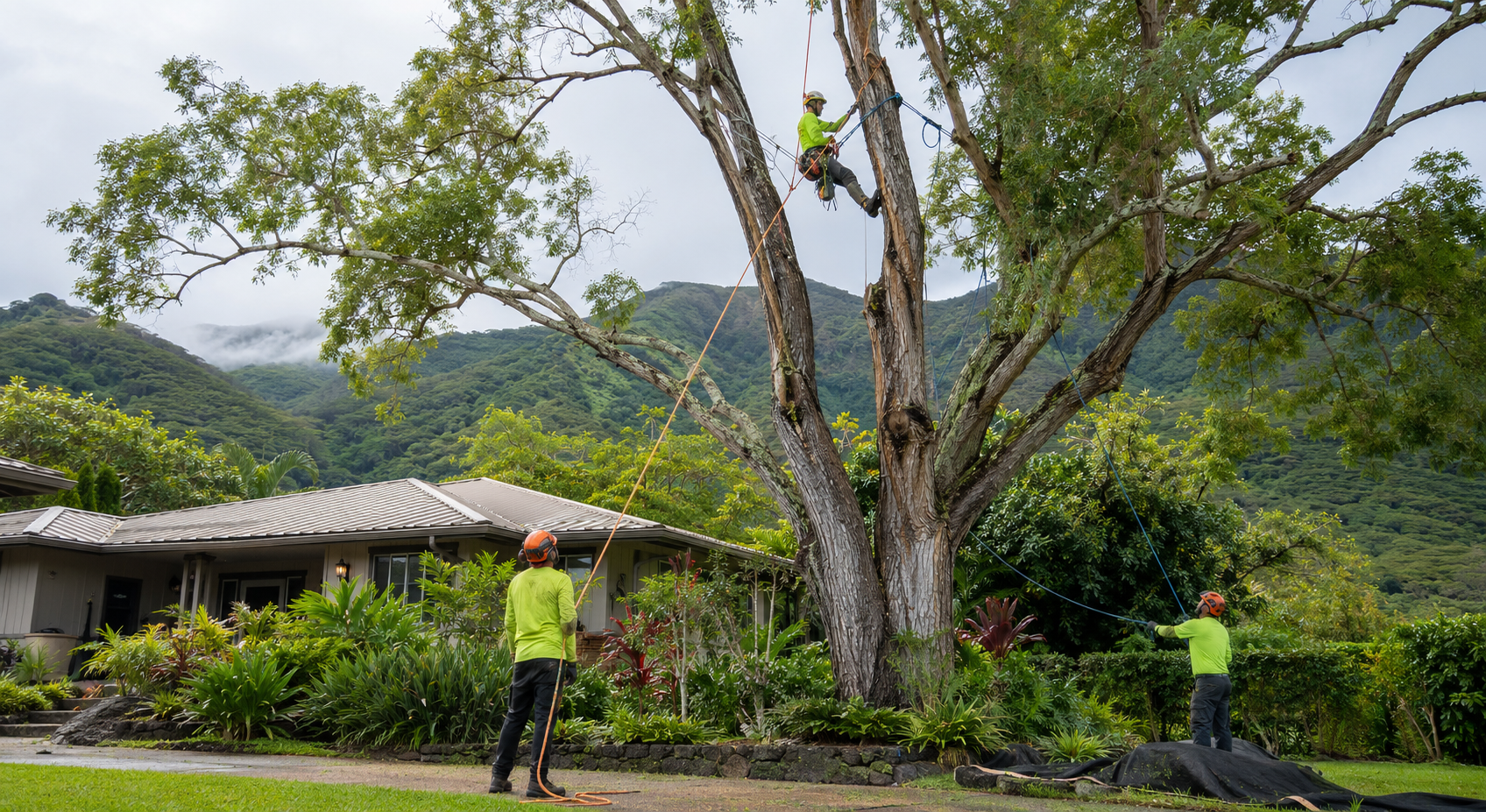
Think of pruning as first aid for your tree. Broken and hanging branches get removed to prevent further damage. Arborists carefully cut where the tree can heal naturally, helping it grow stronger over time. You can also explore this article on must-have tools for tree trimming if you're curious about what the pros use.
Cabling and Bracing: Giving Trees Extra Support
Even an uprooted tree can be fixed. A skilled arborist can restore it to its position once again. They use cables and braces to give the tree extra support. It's not forever, it's just like giving your tree a pair of crutches until it can stand on its own. This is vital for trees with cracked trunks or heavy branches.
Restoring Soil Health: Reviving What’s Beneath the Surface
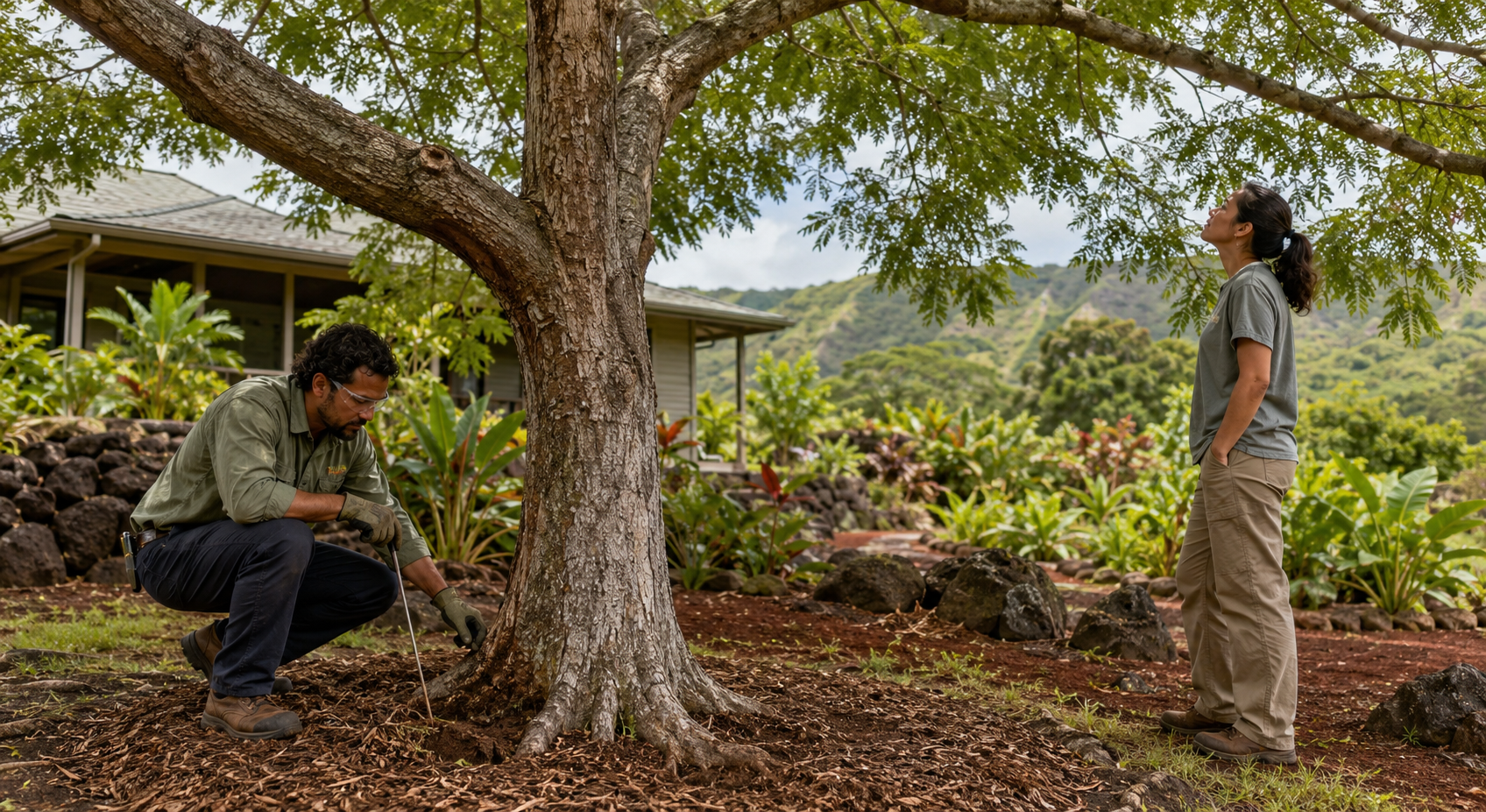
Storms don’t just mess with trees. They wreak havoc on the soil too. Floods wash away nutrients, leaving the roots starving. Arborists step in to test the soil and restore its health. They might use fertilizers or organic matter to give your tree’s roots the best chance to recover.
Insect Protection: Keeping Pests at Bay
Storm-damaged trees are like a buffet for pests. Insects love weak spots, and without intervention, they can turn damage into destruction. Arborists apply treatments to ward off pests. They also monitor for signs of infestations, keeping your tree safe during its recovery. You can learn how Oahu experts manage pests sustainably without harming the environment.
Tree Removal: When No Option Left
Sometimes, there is no point in saving a tree. The tree may be too damaged and could pose a safety risk. In such conditions, it needs to go. When removal is necessary, understanding tree trimming and removal costs in Oahu helps you plan ahead.
Why You Need a Professional Arborist
Sure, you could grab a saw and give it a shot yourself. But here’s why hiring a pro is smarter:
They Know Trees Like the Back of Their Hands
There is no doubt that arborists understand trees more than any average person as they know which branches to cut and which to save. They know how trees heal and grow.
They Keep Things Safe
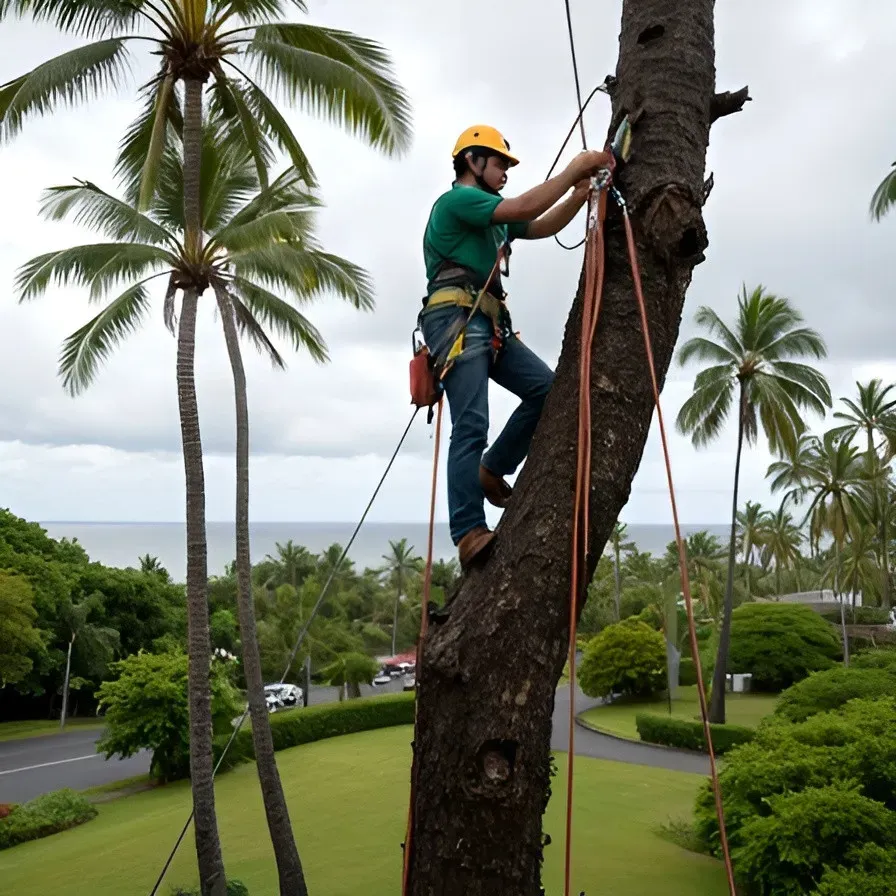
Tree work is risky. One wrong move can send a branch crashing—or worse. Arborists have the tools and training to handle dangerous situations without breaking a sweat.
They Care About Long-Term Health
Arborists don’t just fix the problem. They work to ensure your tree thrives for years to come. Their goal isn’t a quick fix; it’s long-lasting health.
Preventing Storm Damage
You can’t stop storms, but you can prepare your trees.
- Regular Tree Maintenance: Schedule annual inspections and pruning. Healthy trees are less likely to break under pressure.
- Plant the Right Trees in the Right Places: Some plants are of weak species. Don't put them in areas prone to high winds. And give trees enough space to grow without interfering with buildings or power lines.
- Add Extra Support When Needed: A tree with a weak structure should not be left alone for disaster. Brace it for support before a storm hits.
The Bottom Line: Don’t Wait Until It’s Too Late
Storm-damaged trees are hard to look at. They can even be dangerous. Don't ignore a broken branch or leaning trunk. Calling in a professional arborist is a necessity, not a choice.
Storms will never stop coming! But you can save your trees from irreversible damage if you take the right care of them. Call an arborist today. Let the experts work their magic, and watch your trees grow back stronger than ever.