Can You Keep a Mature Tree During a Home Addition or Pool Project?
Summary
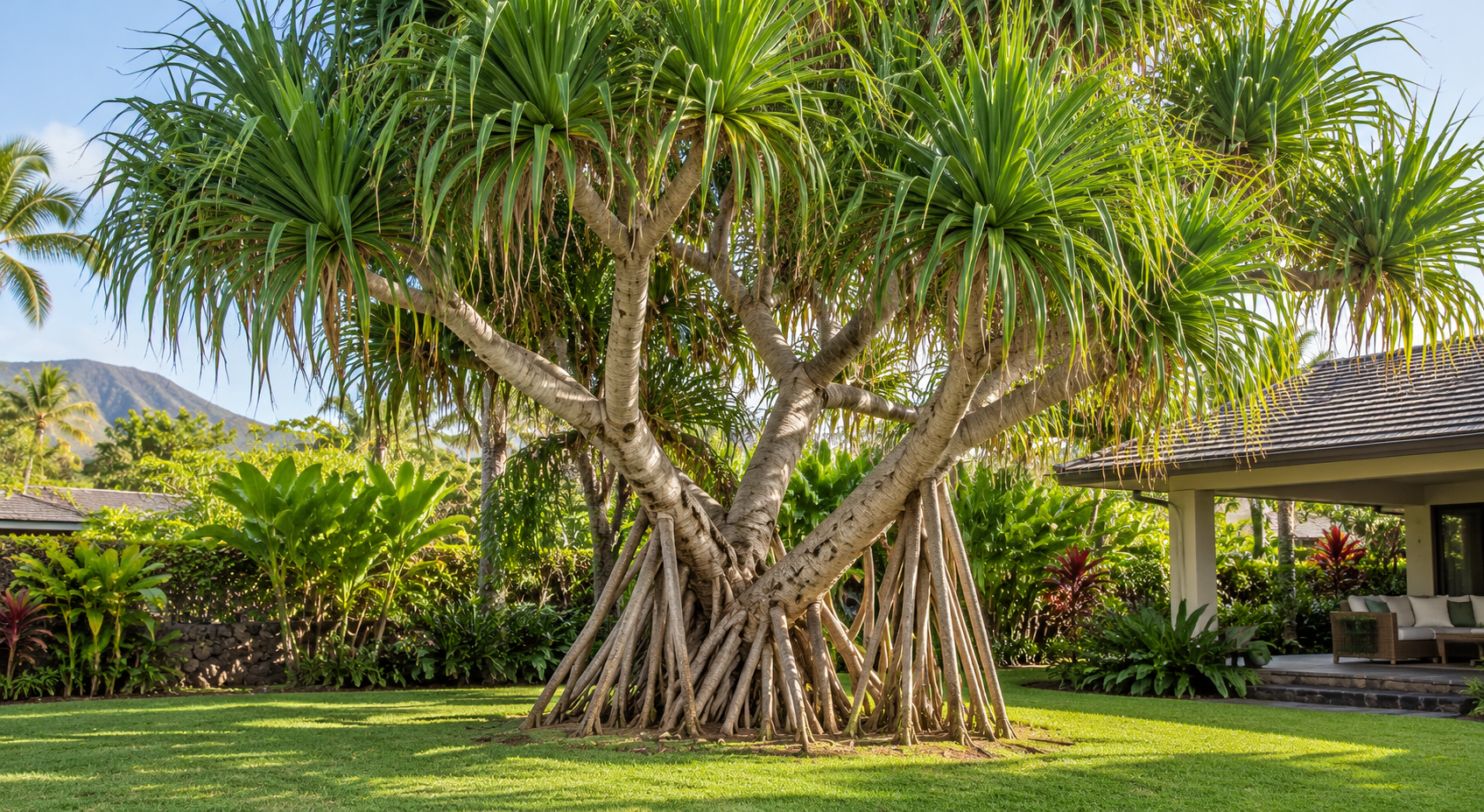
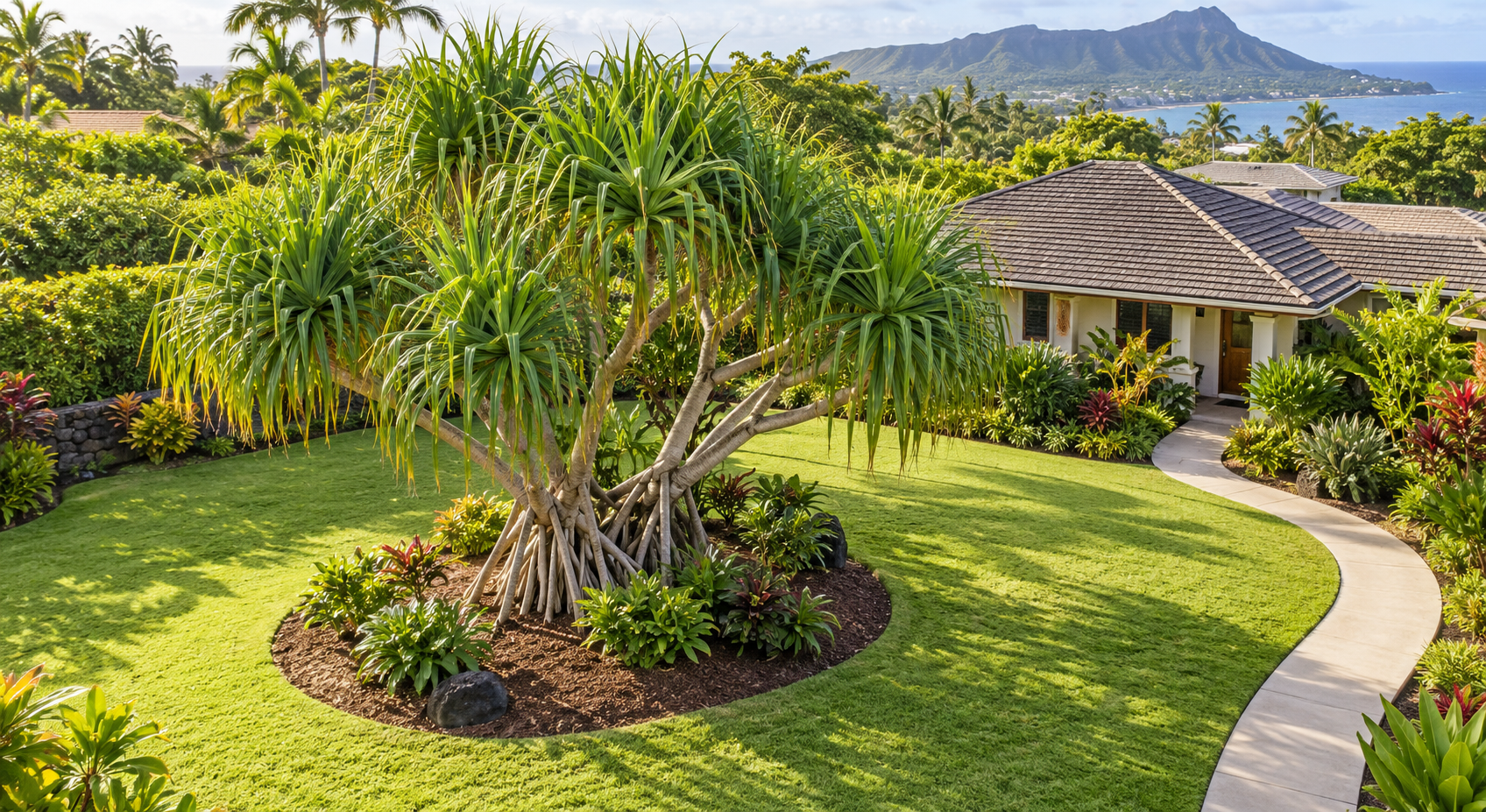
A mature tree may remain during a Honolulu home addition or pool project if its condition, root protection needs, and the complete construction layout are compatible. Decide before finalizing plans, account for excavation and equipment access, and make tree protection part of the construction scope rather than a last-minute request.
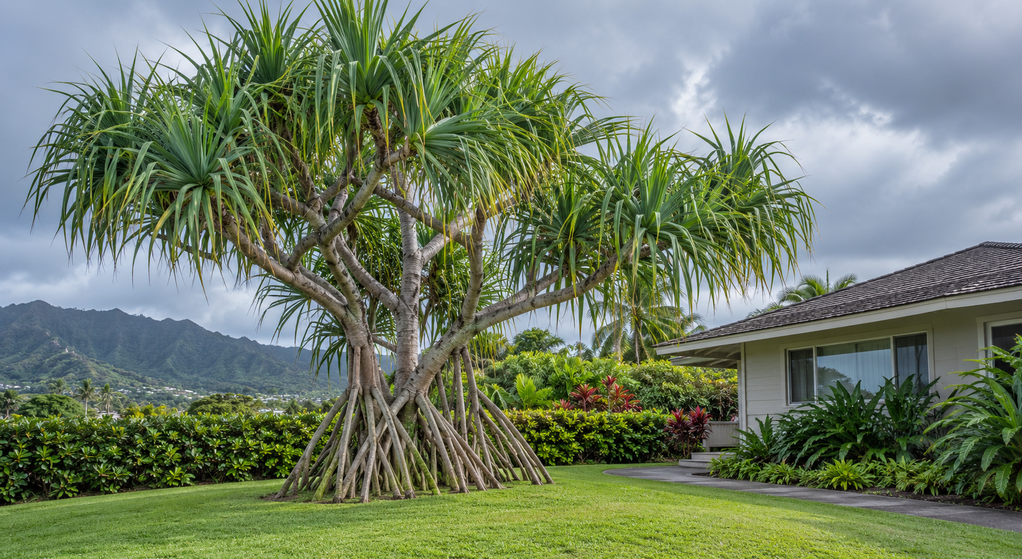
A tree can sit outside the proposed pool or addition and still be affected by construction. The pool excavation, foundation trench, equipment route, and new drainage may occupy ground the tree depends on. Keeping the trunk untouched does not settle whether the tree can remain healthy and stable.
Start with two questions: Is this tree a suitable candidate for retention, and can the project accommodate its needs? When discussing tree trimming and care services in Honolulu, distinguish any proposed pruning from the separate arborist assessment needed to judge construction impacts.
Oahu Tree Trimming and Removal Services provides tree trimming and removal on Oahu. Clarify who will assess preservation feasibility and who will coordinate any recommended tree work with the builder.
The guide to working with certified arborists in Oahu helps frame the qualifications discussion; ask specifically about construction-impact assessments. If retention proves impractical, high-risk tree removal in Oahu explains why removal access and sequencing need review before a pool or addition occupies the working space.
Decide Whether the Tree Is Worth Designing Around
Arrange an assessment before committing to the final layout. A qualified arborist should evaluate the species, existing condition, structural concerns, and likely response to the proposed disturbance. A large canopy alone does not establish that a tree is a good preservation candidate.
Give the assessor drawings showing excavation depths, finished ground levels, utilities, and access. Photographs or a mark showing the proposed building corner provide only part of the picture.
The useful outcome is a conditional decision: retain with a workable protection plan, revise the layout, or consider removal. Ask what would change that recommendation, including unexpected roots or an expanded excavation.

Map the Work Area Beyond the Finished Structure
A pool outline on a drawing is smaller than the area construction may disturb. Account for working room around the excavation, plumbing routes, equipment pads, decking, and spoil storage. An addition also needs space for foundation work, scaffolding, deliveries, and utility connections.
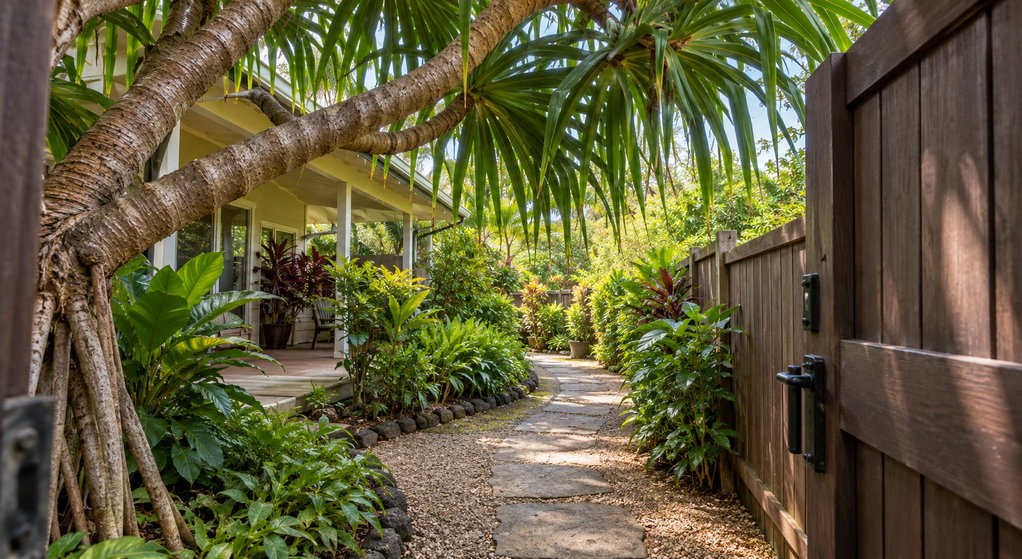
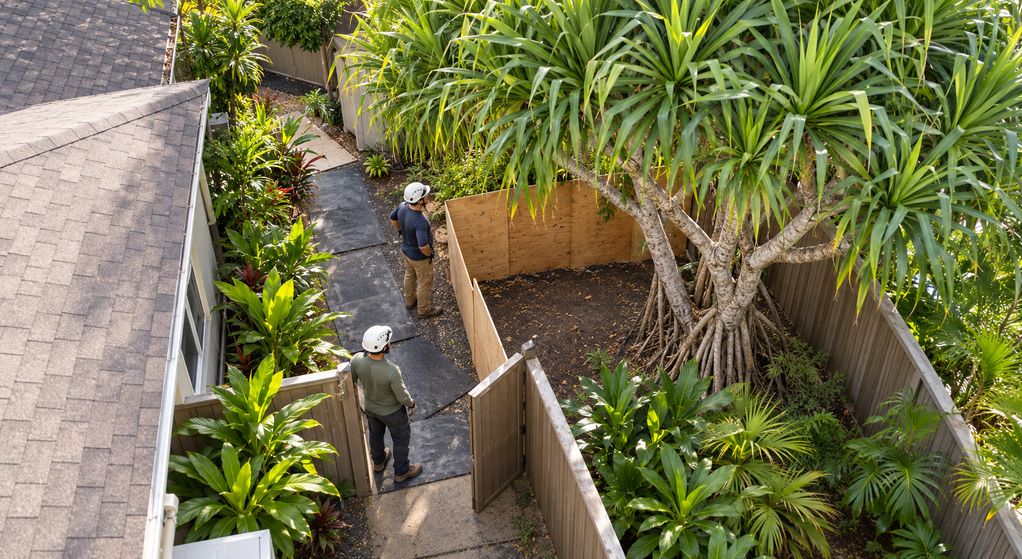
On a Honolulu property with narrow side-yard access, the route into the backyard may create a greater conflict than the finished structure. Show the actual machine route rather than assuming equipment can pass wherever people currently walk.
The International Society of Arboriculture’s guide to avoiding tree damage during construction explains that roots can extend beyond the canopy and that excavation, soil
compaction, and grade changes can damage trees. It recommends defining a tree protection zone with an arborist during planning.
Do not substitute a universal trunk-to-pool distance for that assessment. Species, condition, root distribution, and the work proposed all matter. Mark the protection zone on the same drawing as the excavation and access routes so conflicts are visible before pricing is finalized.
Test Whether a Design Change Solves the Conflict
When proposed work overlaps the protection zone, compare specific revisions. Could the pool shift? Could a utility follow another route? Could the addition’s footprint change without compromising the rooms you need?
Alternative foundation or utility arrangements require agreement between the arborist and the appropriate design professional. A tree contractor cannot independently approve a structural change, and a builder’s willingness to work around a trunk does not establish that root disturbance is acceptable.
Root pruning also needs a tree-specific decision. Ask which roots would be affected and how the proposed cuts could influence stability and survival. Avoid treating root cutting as an automatic solution whenever roots cross a construction line.
For this project, ask specifically about experience evaluating trees around construction. Pruning expertise and an assessment of root disturbance are related tasks, but the proposed assessor’s role should be explicit.
Make Protection an Enforceable Part of the Job
A note saying “save existing tree” leaves too much undecided. Before work starts, put the agreed protection measures into the construction documents and discuss them with everyone using the site.
Specify:
- Where protective fencing goes and when it must be installed.
- Where vehicles, excavated soil, materials, and concrete washout can go.
- Who may authorize entry into the protected area.
- Who receives a call if excavation exposes unexpected roots.
- Which changes require another arborist review before work continues.

Keep protection in place through landscaping and final cleanup. New irrigation trenches, paving, or added soil can undermine earlier efforts to preserve the tree.
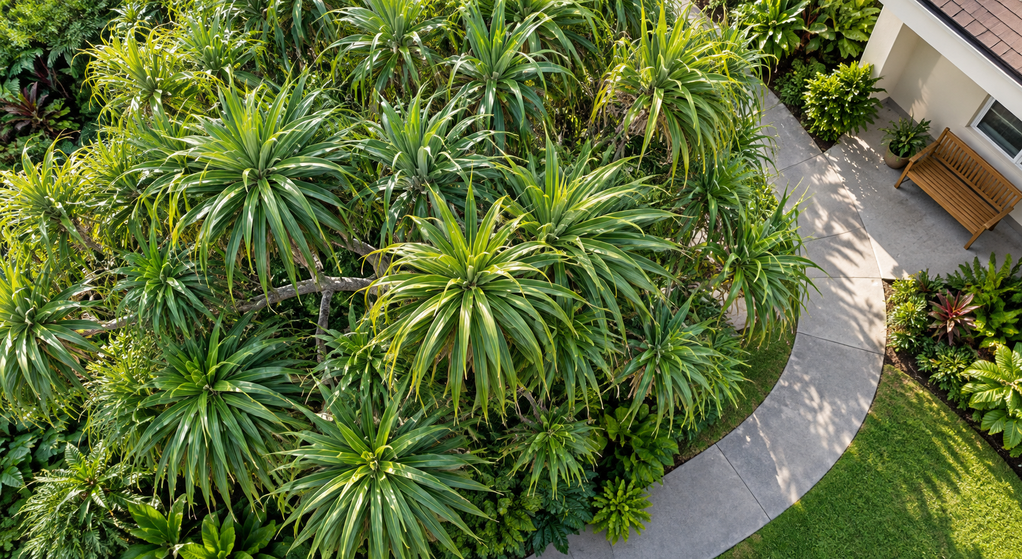
Also check whether the redesigned yard still accommodates the mature canopy. Retention becomes less practical if the completed addition would require repeated severe pruning to maintain basic clearance.
Budget for Both Outcomes Before Access Closes
Compare the full cost of retention with the full cost of removal. Retention may involve redesign, supervision, protective fencing, and follow-up care. Removal may involve difficult access, stump work, and replacement planting.
If the assessment identifies a significant hazard, resolve removal timing before a new wall, pool, or addition limits working space. Keep the work area restricted as advised by the assessing professional.
Check protected-tree status as well as site access. Honolulu’s exceptional-tree regulations place specific approval requirements on designated trees. Confirm with the City whether the tree is covered and what approvals the proposed work needs; an arborist’s recommendation is not a substitute for that approval.

Plan Beyond the Final Inspection
Agree on post-construction monitoring and care before the contractor leaves. Record the tree’s starting condition and any construction impacts so later changes can be evaluated against a useful baseline. Green foliage at project completion is encouraging, but construction-related decline may take years to appear.
Before the layout is fixed, ask the arborist and designer to identify any excavation, access, or grade change that would make retention unacceptable. Put the agreed limits in the construction documents and keep them in force through cleanup and subsequent landscaping.

Written By:
Kurt Manalastas
Environmental Property Care Content Writer
Kurt produces research-driven content centered on tree care, landscaping, and environmental property management. Drawing from arborist-informed practices, site-specific conditions, and practical homeowner concerns, he provides clear, actionable guidance to help readers maintain safer, healthier, and more sustainable outdoor environments.