Why Working with Certified Arborists in Oahu Ensures Healthier Trees
Bottom line: Certified arborists in Oahu provide science-based tree care suited to Hawaii’s fast growth, humidity, and storm stress. They help prevent common pruning damage (like topping), reduce long-term decay risk, and keep trees safer around homes, roads, and powerlines—so your landscape stays healthier and more resilient year-round.
If you ever got a serious disease, would you trust and accept free treatment from your cousin who claims to know everything, or would you invest in a professional doctor with years of experience, proper licenses, certifications, and a proven track record? In a life-or-death situation, you’d probably seek professional help. But when it comes to your trees, are you willing to do the same?

Reason 1: Experience Matters
With more than eight years of experience climbing, rigging, and pruning trees across the island, one of the most important things we’ve learned is that Hawaii’s trees behave differently from trees anywhere else. Our humidity accelerates growth, storms strain weak branches, and improper trimming can cause long-term decay.
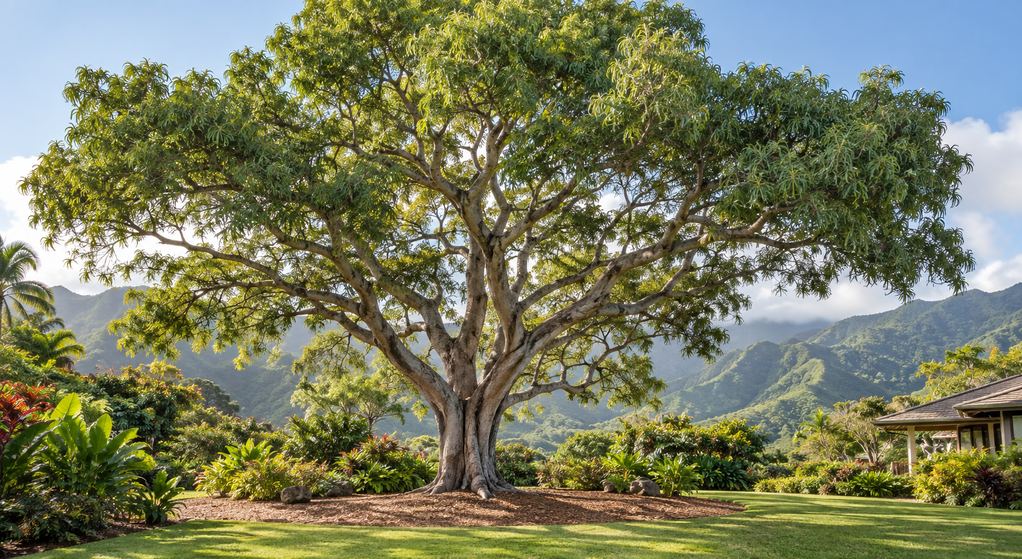
Certified arborists in Oahu understand these local nuances. They know that topping a monkeypod or shower tree might seem like a “quick trim,” but it actually destroys its natural structure. Through years of experience and collaboration with arborists, we’ve learned to apply techniques that encourage healthy regrowth instead of stress.
This makes experience really crucial. It’s how we keep trees strong enough to handle the island’s unpredictable weather while staying safe around homes and powerlines, while preserving their natural structure and long-term environmental benefits.
Reason 2: There’s Science Behind Proper Tree Care
Tree trimming seems to be as simple as cutting branches, but it’s not always the case. It’s applied biology. Certified arborists approach each tree with a balance of science, precision, and respect. With many years of working closely with a certified professional arborist on the island, our tree trimming services in Honolulu allow us to read a tree’s growth patterns, identify disease early, and make precise cuts that promote long-term health.
Root pruning must be done with extreme care. If you cut too much, you’ll risk destabilizing the tree. If you cut too little, roots will continue to lift pavement or threaten foundations. Certified arborists rely on evidence-based methods that outperform guesswork. These are the same ones we apply when shaping a tree’s structure or managing storm damage.
Since Hawaiian trees behave differently, they demand a different level of expertise. Every cut you make will either help your trees thrive and last for decades or kill them in months.
Reason 3: Safety Starts with Trees and Extends to You
Tree care is inherently dangerous work. That’s why certification requires knowledge of rigging physics, climbing safety, and emergency protocols, all of which reduce the risk to workers and property. Beyond safety, certified arborists working alongside our tree care experts are trained to consider ecological impact, including how root systems interact with soil health, how trimming affects nearby species, and how to minimize disruption to wildlife.
Since erosion and water runoff are constant challenges here in Oahu, the environmental side of arboriculture matters just as much as aesthetics. A certified arborist’s approach integrates both, keeping trees strong while maintaining the balance of the surrounding ecosystem.
Reason 4: Certification Isn’t Just a Piece of Paper
Certification is the foundation of responsible tree care. It ensures that every action is guided by proven methods instead of quick, cosmetic fixes that can harm trees over time.
ISA Certified arborists follow standards that protect not only the tree but also the people and property around it.
Certification is about trust. It means a professional has committed to ongoing learning, ethical practice, and safety. When you see someone with that qualification, it means they’ve earned it through study, testing, and real-world experience. And in a place as ecologically sensitive as Oahu, that commitment can mean the difference between preserving a healthy tree canopy and slowly losing it.

Why It’s Best to Hire Certified Arborists
In most cases, homeowners hesitate to hire certified arborists because they assume it costs more, missing the fact that correct pruning saves money in the long run.
I’ve seen unqualified crews top trees so severely that they die within a year, which forces homeowners to pay again for full removals.
When I work with certified arborists on my team, I know we’re giving trees the best chance at long-term survival, ensuring trees will add shade, beauty, property value, and reducing future maintenance costs in the long run.
Before scheduling your next tree removal, check out our detailed guide on
Hawaii’s tree removal costs and learn what factors affect pricing.
| Reason | Key Points | Benefits |
|---|---|---|
| Experience Matters | 8+ years, local tree knowledge | Healthy regrowth, safe branches |
| Science Behind Care | Applied biology, evidence-based pruning | Long-term tree health, prevent damage |
| Safety | Climbing safety, rigging physics, ecological considerations | Protects people, property, and environment |
| Certification | Ongoing education, ethical practice, ISA standards | Trustworthy, reliable, proper techniques |
The Critical Side of Tree Care in Oahu
Oahu’s future depends on sustainable tree care. More than the beautiful background scenery, they protect us from erosion, provide habitats for native birds, and cool our neighborhoods.
That’s why we encourage every homeowner, business owner, or property manager to treat tree care as a long-term relationship, and not just a one-time task. With regular maintenance from certified arborists, Oahu’s trees can remain strong, safe, and thriving for generations to come.
Healthy trees don’t just happen by chance. Discover why tree health matters and get expert tips to keep your landscape at its best.

Final Thoughts
As someone who’s personally climbed, pruned, and cared for Oahu’s trees for more than eight years, I can confidently say that certified arborists are considered protectors of Hawaii’s landscape. Their work ensures that every branch supports the health of the whole ecosystem. And when experience, expertise, authority, and trust come together, the result is healthier trees and a safer Oahu.