How to Grow a Koa Tree from a Seed: Complete Step-by-Step Guide
Few trees capture the spirit of Hawaii like the koa does. With its golden-hued wood and deep cultural roots, the koa tree is a living symbol of beauty and resilience.
Today, people grow it for different reasons. Some grow it to restore native forests, others to create shade in the landscape, and some grow it to simply nurture a tree that holds centuries of history.
If you’re also planning to plant it and are wondering how to grow a koa tree from a seed, you’re in the right place. This guide will walk you through every step, from seed to sapling.
What is a Koa Tree?
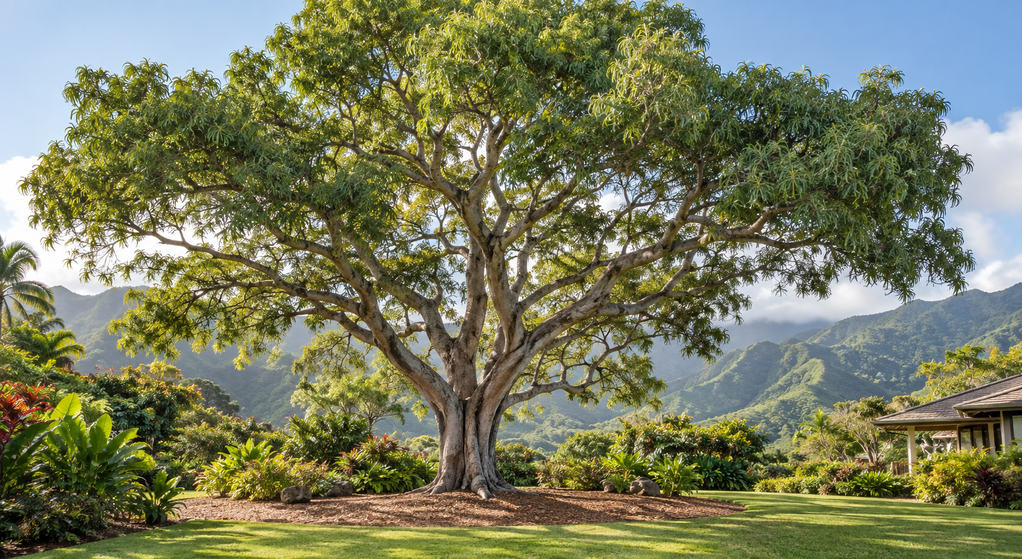
The Koa tree (Acacia koa) is one of Hawaii’s iconic natives. Belonging to the legume family, this tree can reach the heights of 50 to 80 feet rapidly (if grown in the right conditions). However, some exceptional trees are capable of towering over 100 feet in length.
Since koa is long-lived, it often survives for decades and forms part of the upper canopy in Hawaiian forests.
Learning how to grow a koa tree from a seed gives the growers the most reliable path to raising a healthy tree that will adapt well to its environment.
1. Collecting and Preparing Koa Seeds
The first step is to find variable seeds.
Koa trees produce long and flat pods that typically mature in late summer to early fall. These pods turn brown and dry out before splitting open to release small and hard seeds.
Collect seeds only from pods that have matured fully on the tree or have fallen recently. If it’s immature, however, it’s less likely to germinate.
Then, remove any remaining material in the pods and rinse the seeds in clean water. Dry them thoroughly before storing and preserve them in cool/dry/airtight containers.
2. Pre-germination Treatment
To succeed in learning how to grow a koa tree from a seed, scarification is the step that makes all the difference. It mimics natural processes like fire or physical abrasion to weaken the coat.
The most common method is a hot water soak. Bring water just to the point of boiling and pour it into a container. Drop the seeds and let them sit for 24 hours as the water cools down.
Seeds should swell noticeably during this time. However, if they remain unchanged, a second attempt may be required. However, avoid over-soaking as it can ruin the seeds.
3. Germinating Koa Seeds
Once scarification is done, the next step is to create the right conditions for germination.
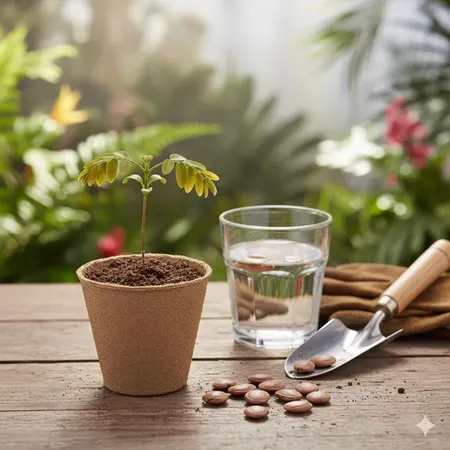
Koa seeds respond best to a well-drained and sterile potting mix. A blend of perlite, vermiculite, and peat or coco coir is a good option. Using garden soil is not recommended as it may harbor pests or diseases.
It is recommended to plant each seed about a quarter-inch deep in the soil. This gives enough spacing to keep sprouts from crowding one another. Here are two tips you should follow afterwards:
- Water the soil lightly but thoroughly.
- Place the containers in a warm location with indirect sunlight.
Koa seeds germinate within one to three weeks, though some may take a little longer than that. Signs of successful germination are: swelling, cracking of the seed coat, and appearance of the first green shoot.
4. Caring for Koa Seedlings
Once you’re done with germination, shift the focus to raising strong seedlings. At this stage, learning how to grow a koa tree from a seed means paying attention to basics like light, water, and temperature.
Place the seedlings in a bright spot that gets indirect sunlight. Gradually increase the exposure as they grow.
Watering is essential and should be consistent. However, it should not be excessive. Keep on monitoring any signs of excess water by looking at signs of damping off.
When seedlings are several inches tall and sturdy enough, start hardening them by placing them outdoors for a few hours daily. Why? To prepare them for transplanting, that'll happen in the next step.
5. Transplanting Koa Trees Outdoors
The final step in learning how to grow a koa tree from a seed is moving young plants into the ground.
Transplant when seedlings are about 8 to 12 inches tall and have a sturdy root system. For this, choose a soil that’s well-drained, has full sun, and enough space for long-term growth.
Dig a hole slightly larger than the root ball, set the seedling carefully, and backfill with soil. Water well and mulch lightly to retain moisture while protecting against weeds.
Long-Term Care and Tips
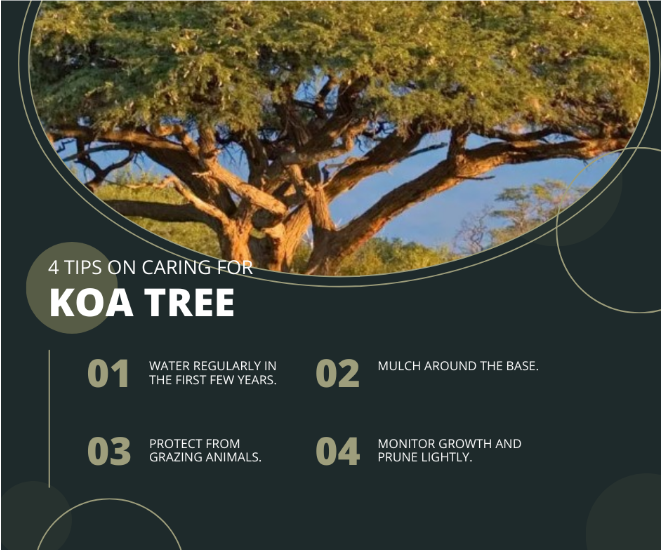
Young Koa trees need regular watering until their roots establish. A layer of mulch helps retain soil moisture and suppresses competing weeds. Protect saplings from grazing animals like cattle or deer.
As the tree matures, growth can be surprisingly fast, often reaching several feet per year. With time, consistent care, and patience, a small seedling can grow into a resilient tree that thrives for generations.
Conclusion
Learning how to grow a koa tree from a seed is both practical and rewarding. From collecting seeds to nurturing seedlings and planting them outdoors, each step builds toward a lasting tree. With patience and steady care, your single seed will become a part of Hawaii’s living legacy.