When to Call a Professional Arborist: Signs Your Tree Needs Expert Care
Is your tree sick? And you don't know what to do?
Just watering the trees and hoping for the best is not enough. Trees are living giants in our yards. And sometimes they need a little extra help. The kind only a professional arborist can offer.
Let's dive into the signs your tree is begging for expert care. And why you shouldn't wait for a branch to fall on your car to take action!
What Exactly Does a Professional Arborist Do?
Think of a professional arborist as a tree doctor. They diagnose and treat trees as they have studied tree biology and soil science. Certified arborists recognized by the International Society of Arboriculture have the skills, which means they can keep your trees healthy, beautiful, and safe
Hiring a certified pro means you’re trusting someone who knows whether your tree needs pruning, pest control, or a serious intervention. Want to learn more about their techniques? Explore some advanced tree care techniques they use right here in Oahu.
Major Red Flags: When Your Tree is Screaming for Help
1. Sick Leaves and Sad Bark
If your tree’s leaves are turning colors way before fall, wilting, or showing weird spots, that's not fashion — that's disease. Even worse? Seeing mushrooms growing around the base. Fungi often mean the tree’s insides are decaying.
Healthy trees have lush leaves and strong bark. Anything else is a red flag!
2. Leaning Like It’s About to Fall
Some trees naturally lean a little. But if your tree suddenly starts to lean on the ground, it's time to call in the cavalry. Leaning trees often have root damage or structural weakness, both dangerous and definitely not a DIY fix. Learn how Oahu experts avoid common pitfalls to keep you safe.
3. Cracks, Splits, and Wounds
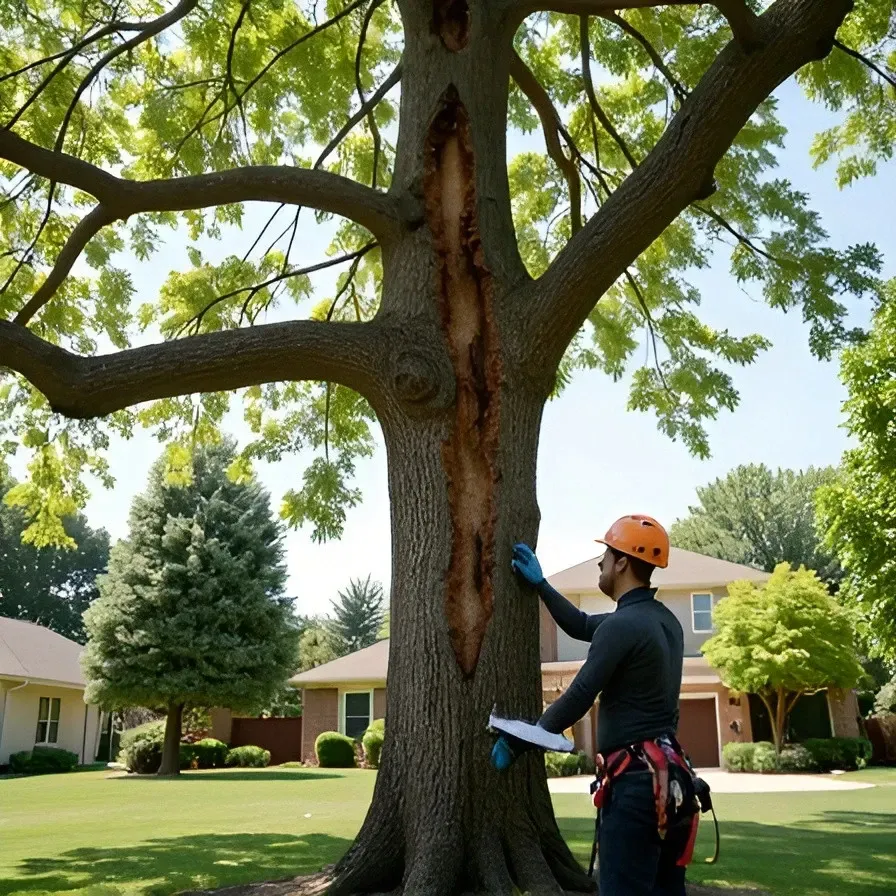
Deep cracks or large splits in the trunk? That’s like your tree wearing a big “I’m hurt” sign. If ignored, these injuries can make a tree unstable and prone to snapping. Especially in storms.
4. Bugs, Bugs, Everywhere
Sure, a few ants on a tree are normal. But lots of tiny holes, sawdust piles, or sticky sap? That’s bad news. It usually means pests like beetles and termites have moved in and started munching away.
A professional arborist can spot the difference between a minor bug problem and a full-blown pest invasion faster than you can say “infestation.” For pest-related solutions, check out sustainable integrated pest management strategies used by local pros.
5. Root Trouble You Can't See (But Should Know About)
Roots are sneaky. They're underground, out of sight, but if you notice the soil heaving or weird mushrooms popping up, your tree might have root rot. Damaged roots mean an unstable tree, which could mean big problems down the line.
Emergency! Situations That Demand an Arborist Right Away
After a Wild Storm
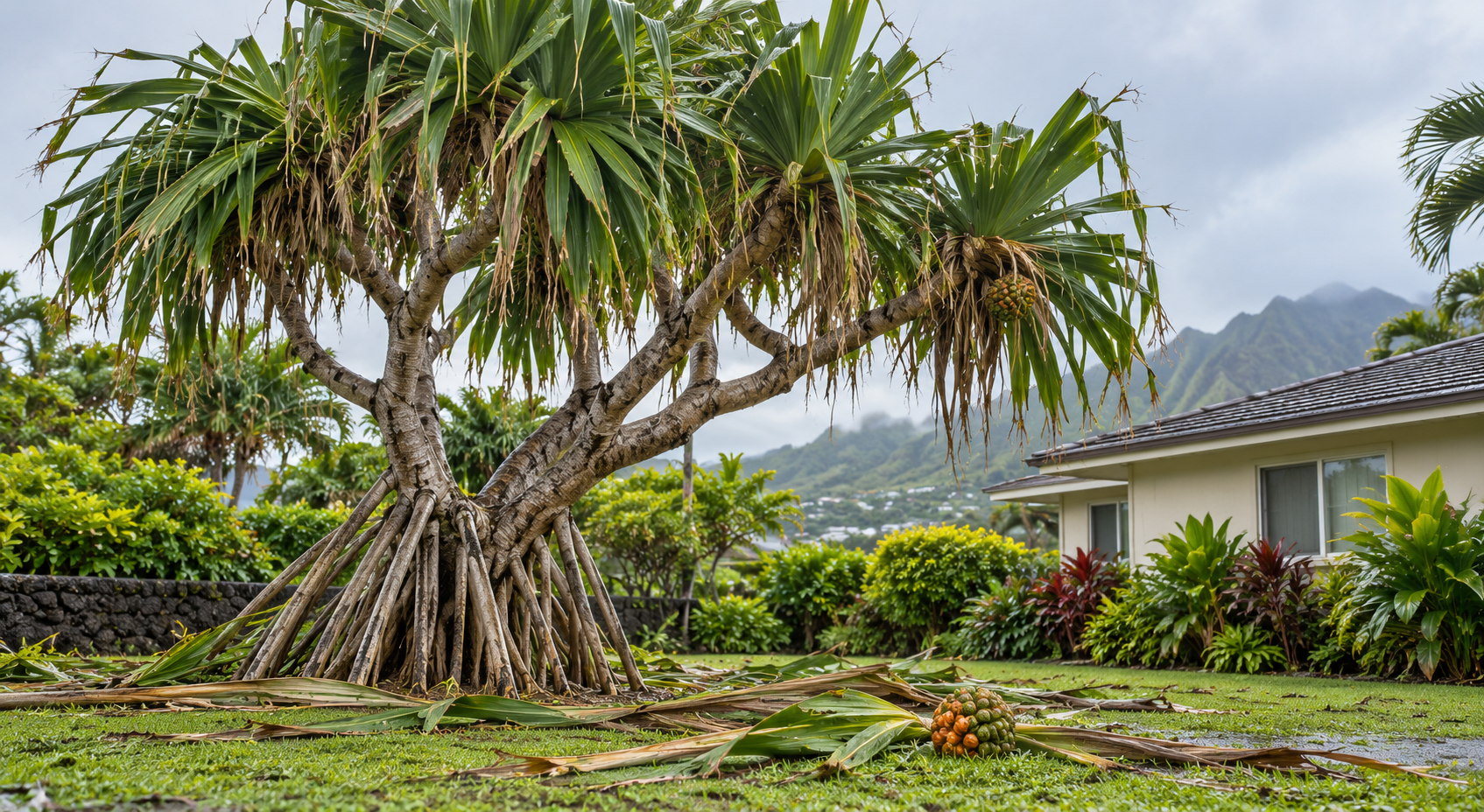
If your tree just survived a hurricane or heavy winds and now has broken branches or a lopsided shape, don't wait. One strong gust could turn that hanging branch into a dangerous missile. Discover how professional arborists in Oahu save storm-damaged trees.
Construction Mayhem
Digging in your yard? Installing a new driveway?
Changes to the ground can crush or cut tree roots, even if the tree looks fine on the surface. Always bring in an arborist to check things out before and after major landscaping projects.
Close Calls with Your House
Trees that grow too close to your roof, windows, or power lines need professional attention — fast. It’s not just annoying, it’s dangerous.
How Preventive Care Keeps Trees Happy
Trees don’t just survive on love alone. Routine maintenance can make all the difference between a strong, thriving tree and one that's a ticking time bomb.
- Regular pruning to remove weak limbs
- Soil tests to catch nutrient issues early
- Fertilization to boost growth
- Pest inspections to stop invasions before they start
A certified arborist can set up a simple maintenance plan that's easy on your wallet and your peace of mind. Here’s a list of must-have tools for tree trimming they rely on during routine visits.
How to Choose the Best Arborist (Without Regrets)
Not all tree services are created equal. Here’s how to find a pro who’ll treat your trees like royalty:
- Check for certification. (ISA-certified is gold.)
- Ask about insurance. You don’t want to be liable if something goes wrong.
- Read reviews. Happy clients usually mean good service.
- Get a written estimate. No one likes surprise fees.
Ask questions like:
- "How long have you been in business?"
- "Can you show me recent projects?"
- "What’s your plan for my tree?"
Good arborists LOVE when you ask. It shows you care.
Final Thoughts: Listen to Your Trees
Trees might not talk, but they definitely tell you when they need help. From weird leaf colors to sudden leans and pest parties, the signs are all there — you just need to spot them.
Calling a professional arborist at the right time can save your favorite tree from disaster, protect your property, and even boost your home’s curb appeal.
Don’t wait for the crash, the snap, or the “uh-oh.” Get ahead of the game. Because when it comes to trees, a little expert care goes a loooong way!