Recognizing Local Tree Hazards: Hawaii’s Most Common Tree Issues
Safety Insight: Tree hazards in Hawaii often stem from rapid growth, shallow roots, improper pruning, and hidden decay, which can cause sudden failures despite a healthy appearance. By understanding local conditions, species-specific risks, and the importance of regular maintenance, property owners can prevent damage, improve safety, and manage trees more effectively over time.
Although green leaves and rapid growth may suggest that a tree is healthy and safe, this assumption often leads to costly damage. The state’s climate, soil conditions, and storm patterns create tree hazards that look harmless until they fail suddenly.
Understanding Hawaii’s most common tree issues is essential for safety, long-term tree health, and protecting homes, vehicles, and people.
Rapid Growth Creates Structural Weakness
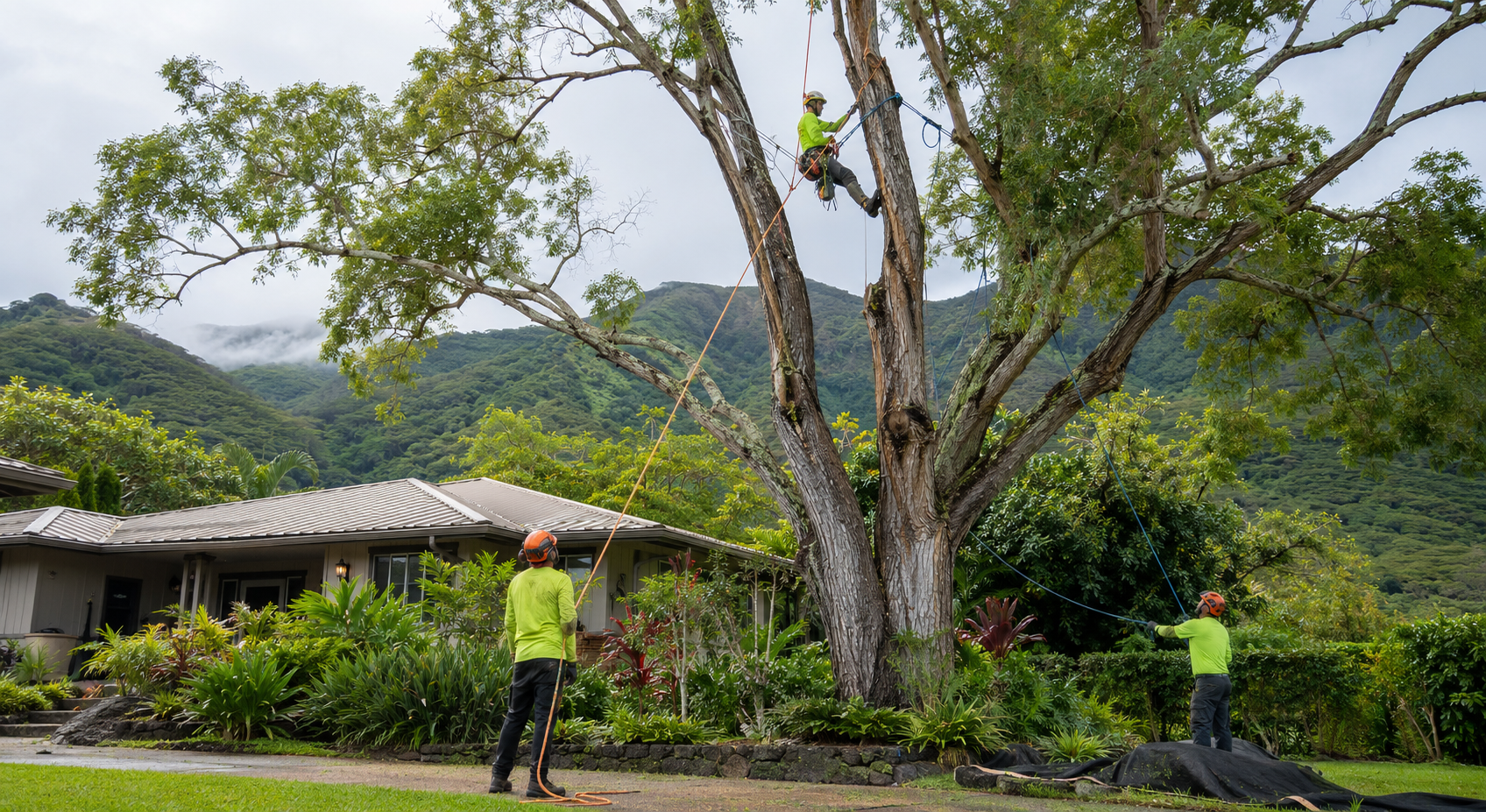
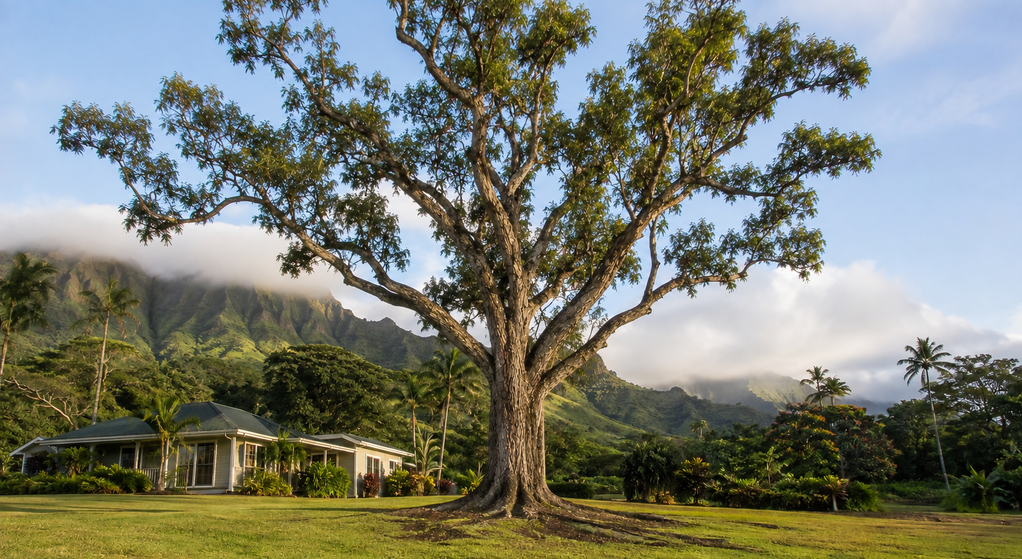
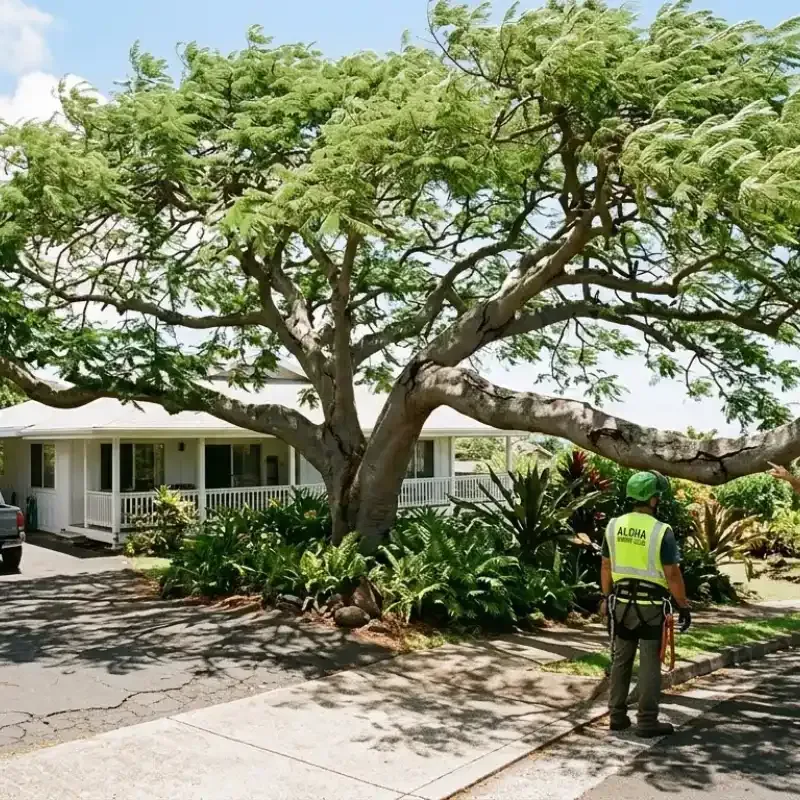
One of the biggest misconceptions about trees in Hawaii is that fast growth equals strength. But the truth is that rapid growth often produces weaker wood and poor structural balance. Species like albizia, African tulip, and even some banyans grow quickly due to year-round warmth and high humidity. That speed comes at a cost, which is why many property owners turn to professional tree trimming services in Hawaii to maintain safer structure and long-term stability.
Fast-growing trees tend to develop long, heavy limbs without adequate taper or internal strength. These limbs act like levers during wind events, placing extreme stress on attachment points. Even on calm days, gravity alone can cause gradual cracking where branches meet the trunk.
This is why tree failures in Hawaii frequently occur without warning. There is no dramatic lean or visible decay beforehand. The tree simply outgrows its own structure.
Over-Topping Is One of the Most Dangerous Practices
Topping is still widely used across Hawaii despite being one of the most damaging pruning practices. It involves cutting the upper canopy back aggressively to reduce height. While it may look effective in the short term, it creates long-term instability.
When a tree is over-topped, it responds by producing dense clusters of fast-growing shoots. These new branches grow straight up, attach poorly, and become extremely heavy within a short time. In Hawaii’s climate, that regrowth can reach dangerous size in just a few years.
Over-topped trees are far more likely to fail during storms than trees that are structurally pruned. This is not a matter of opinion. It is well documented in arboriculture and repeatedly proven by storm damage patterns across Oahu and the neighbor islands.
Proper tree pruning protects both plant health and surrounding property because trained professionals have the right knowledge and techniques.
Shallow Root Systems and Soil Conditions
Many Hawaii tree hazards begin underground. Volcanic soils, fill dirt, and coastal sands do not provide the same anchoring conditions found in continental soils. As a result, many trees develop wide but shallow root systems.
This creates a dangerous situation during heavy rain or wind. Saturated soil loses holding strength, allowing even healthy-looking trees to uproot. In areas with sloped terrain or previous grading, the risk increases significantly.
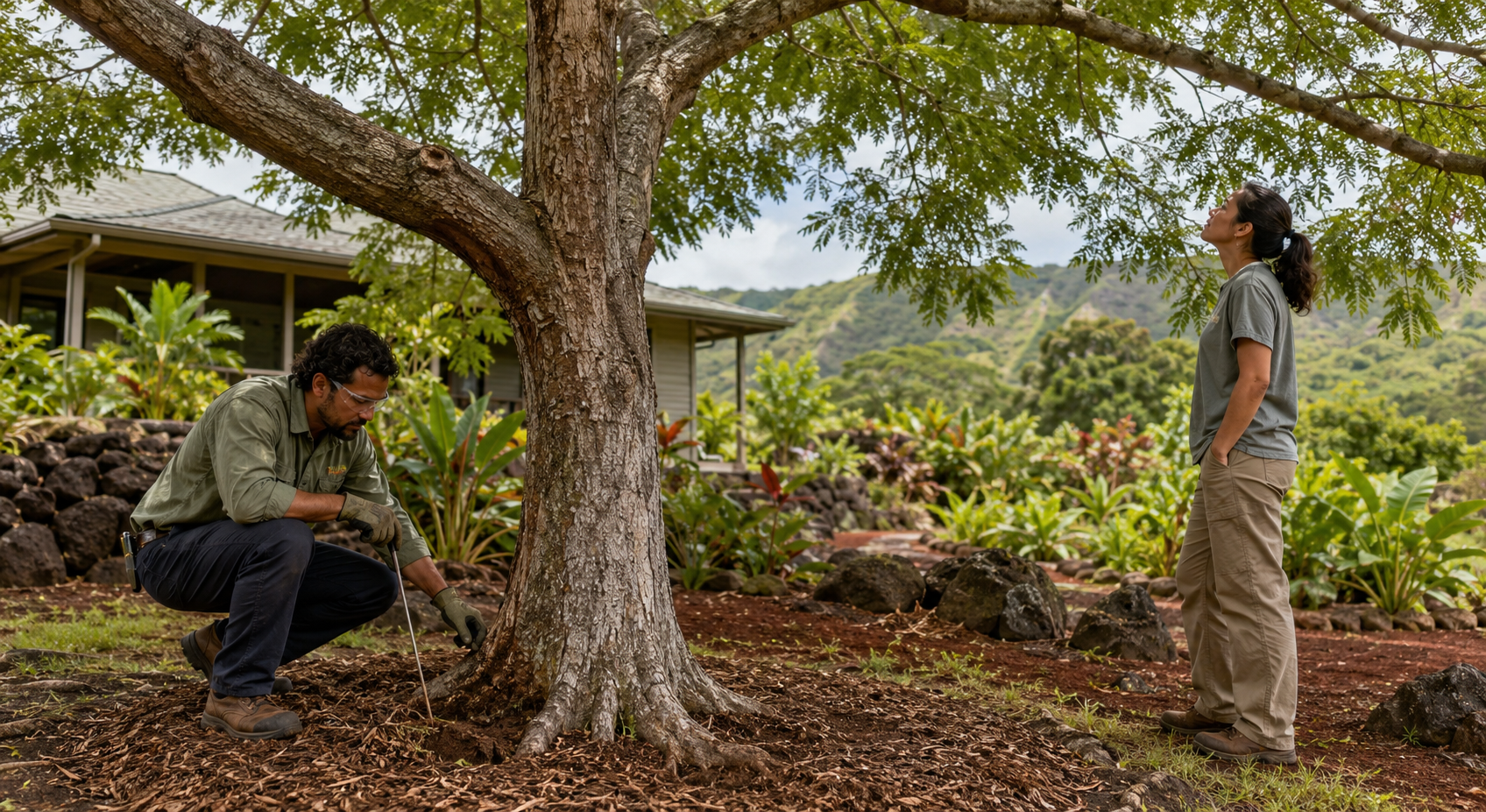
Root damage from construction is another major issue. Cutting or compacting roots within the critical root zone weakens stability even if the canopy looks unchanged. Our tree care experts have seen tree failure from root loss occur months or years later, long after the original damage.
Storm Growth and Wind Loading
Hawaii trees are constantly responding to wind. Trade winds shape growth patterns, often causing trees to lean or grow asymmetrically. Over time, this creates uneven weight distribution that increases failure risk.
Storm systems amplify this issue. Trees that have grown accustomed to steady trade winds may not tolerate sudden directional shifts or gust intensity during kona storms or tropical systems. Branches that have never experienced pressure from a certain angle are more likely to break.
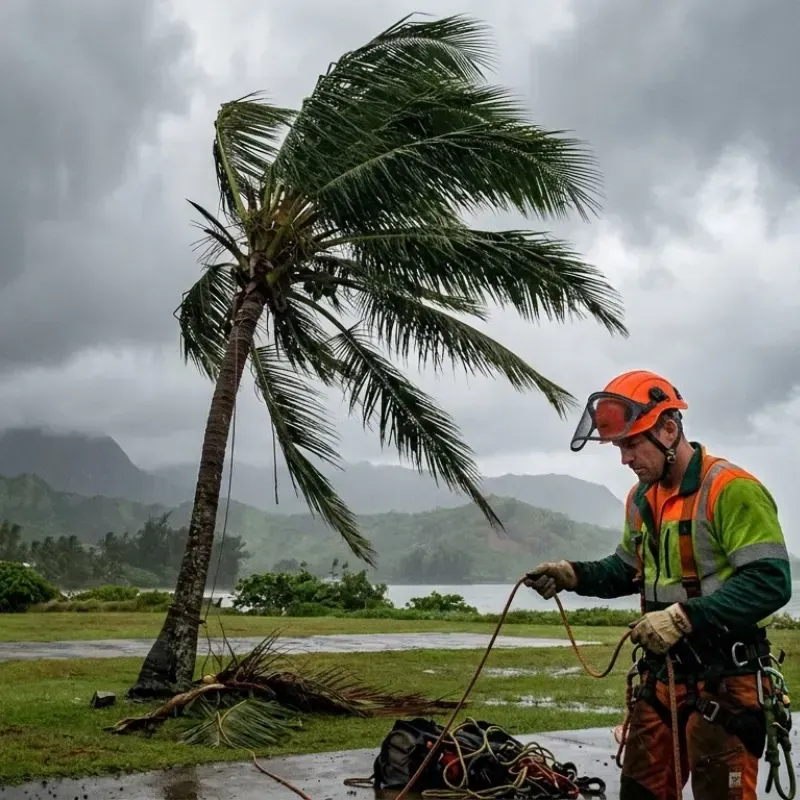
Wind loading is not just about speed. It is about surface area. Dense canopies catch more wind, increasing stress on limbs and trunks. Without regular thinning and structural pruning, wind resistance becomes a liability rather than a natural adaptation.
Storm damage does not always mean a tree is beyond recovery if handled correctly. Learn how a professional arborist in Oahu HI can save storm-damaged trees and protect your landscape.
Hidden Decay in a Humid Climate
Hawaii’s humidity accelerates decay. Fungal growth spreads quickly inside damaged wood, often without visible external signs. A tree can appear vibrant while internal structural wood is compromised.
Common entry points for decay include old pruning wounds, storm damage, and sunburn cracks caused by improper trimming. Once decay is established, it weakens load-bearing wood from the inside out.
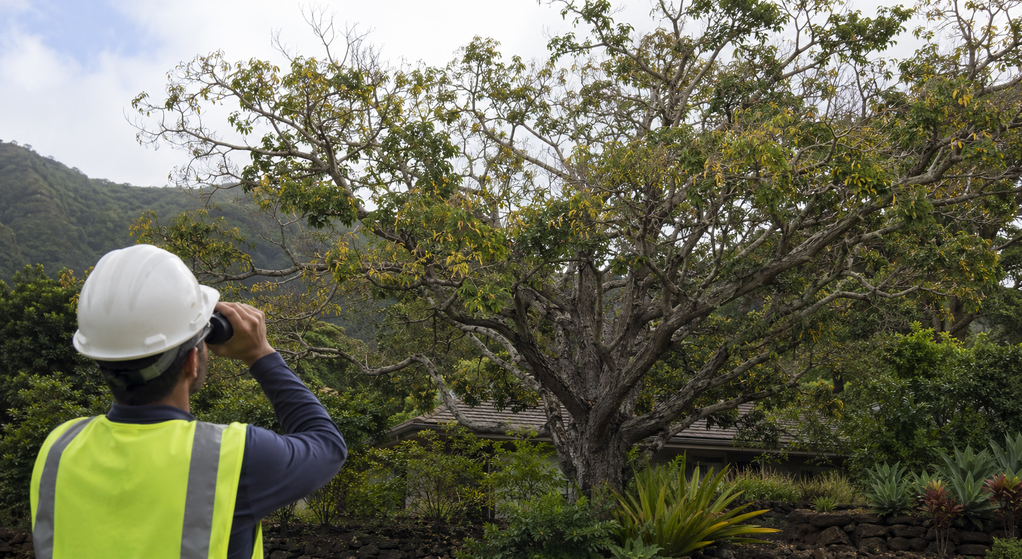
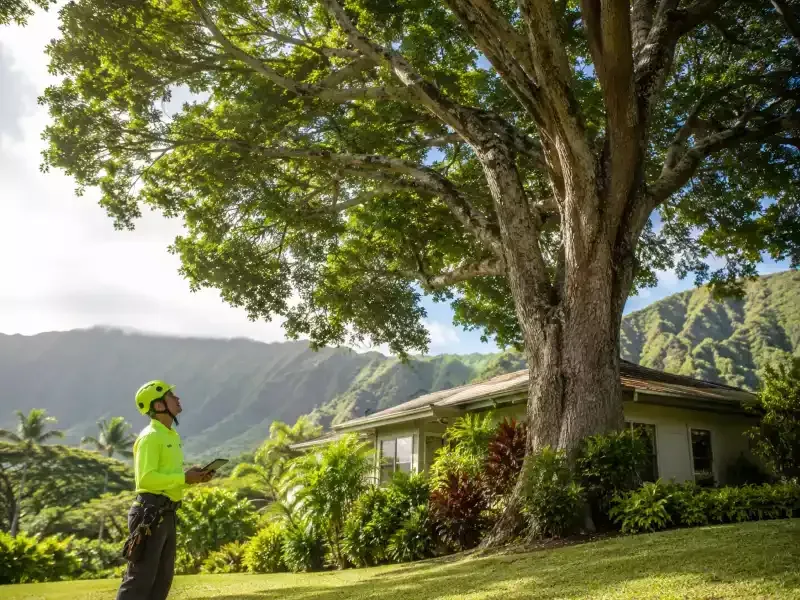
This is why visual inspection alone is not enough to assess tree safety. Many failures occur in trees that looked perfectly healthy the day before they fell.
Improper Pruning Timing and Frequency
Trees in Hawaii do not have a true dormant season. This leads some property owners to prune aggressively at any time of year. While growth continues year-round, pruning impacts are still cumulative.
Removing too much canopy at once stresses the tree, encourages weak regrowth, and increases sun exposure on bark not adapted to direct light. Poor timing combined with excessive cuts accelerates decline rather than improving safety.
Regular, moderate maintenance is far more effective than infrequent heavy trimming. Trees respond better to incremental structural adjustments than sudden canopy loss.
Timing plays a critical role in maintaining healthy trees and preventing unnecessary stress or damage. Learn when the best time is to trim trees in Hawaii to support long-term growth and safety.
Species-Specific Risks Matter
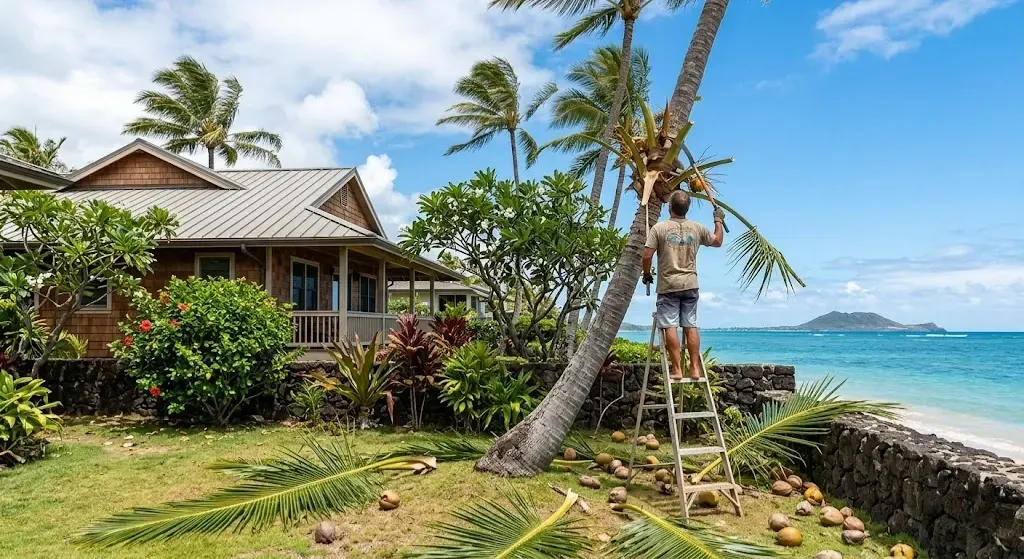
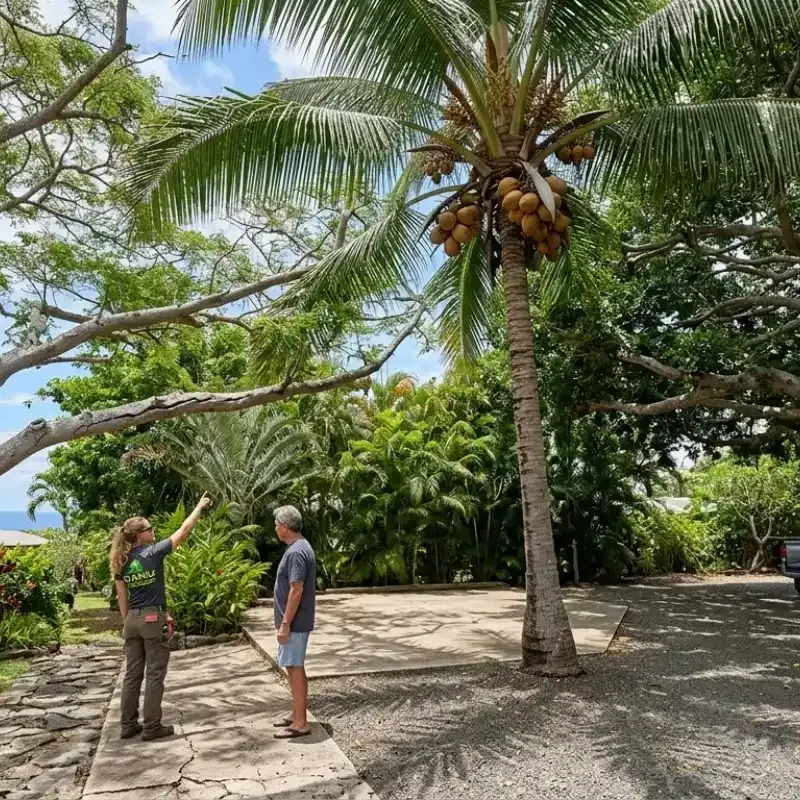
Not all trees behave the same way. Albizia trees are notorious for brittle wood and explosive failure. Coconut palms pose hazards through falling fronds and nuts. Banyans can drop massive limbs with little warning. Even native species can become hazardous when planted in unsuitable locations.
Recognizing species-specific risks is critical. Treating all trees the same leads to inappropriate pruning decisions and missed warning signs.
| Tree Species | Risk Type | Notes |
|---|---|---|
| Albizia | Brittle wood, sudden failure | Fast-growing, weak structural balance |
| Coconut Palm | Falling fronds or coconuts | Can injure people or damage property |
| Banyan | Large limb drop | Even healthy-looking trees can fail |
| Native Species | Varies by location | Can become hazardous in unsuitable sites |
Prevention Is Always Cheaper Than Damage
Tree hazards in Hawaii are predictable when you understand local conditions. Most failures are not random. They are the result of growth patterns, environmental stress, and improper maintenance accumulating over time.
Preventative assessment and corrective pruning reduce risk dramatically. Waiting until a tree becomes visibly dangerous often means removal is the only option left.
In Hawaii, tree safety is not about reacting after a storm. It is about understanding how trees grow here and managing them accordingly. Recognizing local tree hazards is the difference between living with trees safely and being surprised by preventable damage.