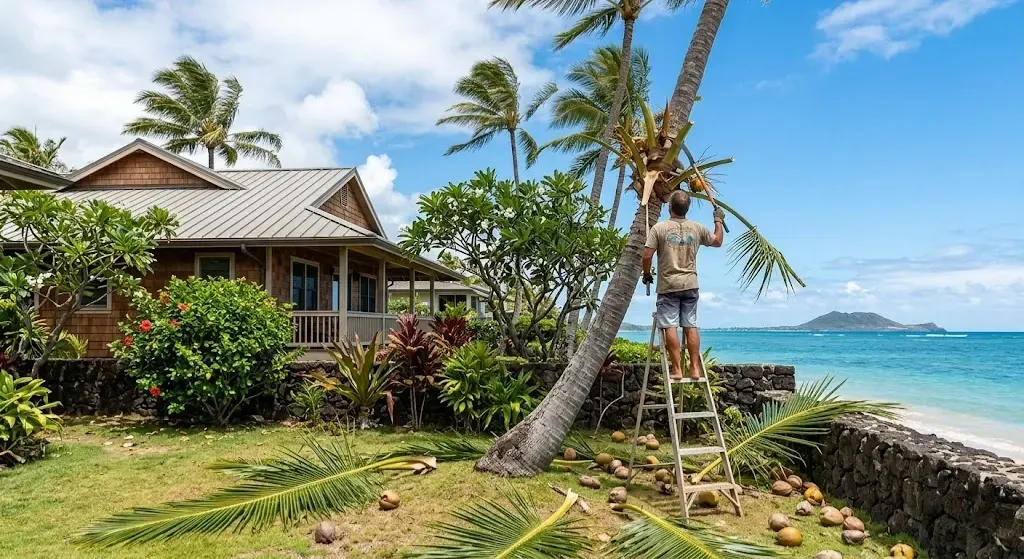
Can You Trim a Coconut Tree Yourself in Hawaii? Safety Risks and Legal Considerations
Core Insight: Trimming a coconut tree in Hawaii may seem manageable, but unique risks such as slippery trunks, heavy falling coconuts, and unpredictable weather make it dangerous for most homeowners. Combined with potential legal liability and improper techniques, DIY trimming often leads to injury or damage, making professional services the safer and more reliable choice.
If you have a coconut tree in Hawaii, chances are you’ve wondered whether you can trim it yourself. On the surface, the task looks manageable. Coconut palms appear tall but simple, and many people assume trimming them is no more dangerous than climbing a ladder with a saw.
Why Coconut Trees Are More Dangerous Than They Look
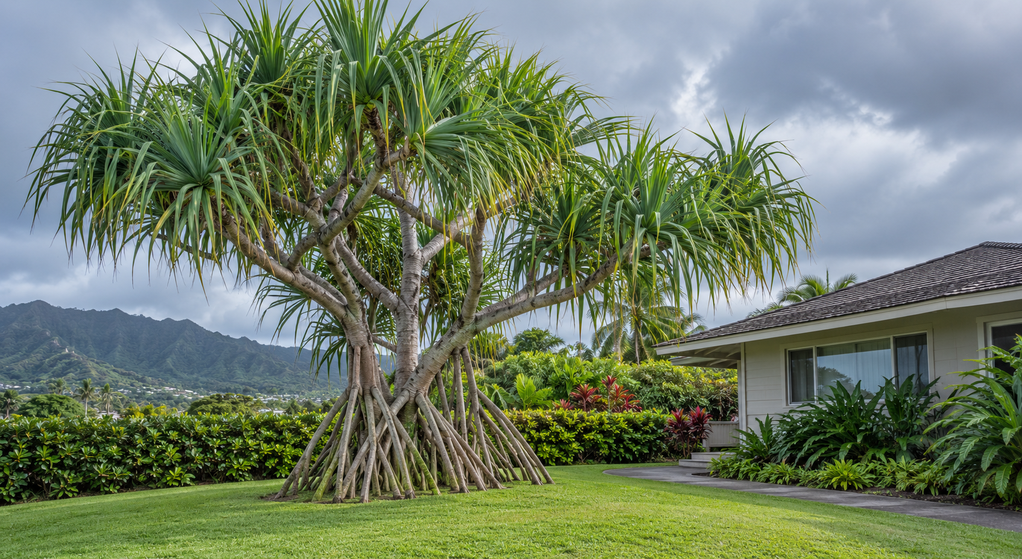
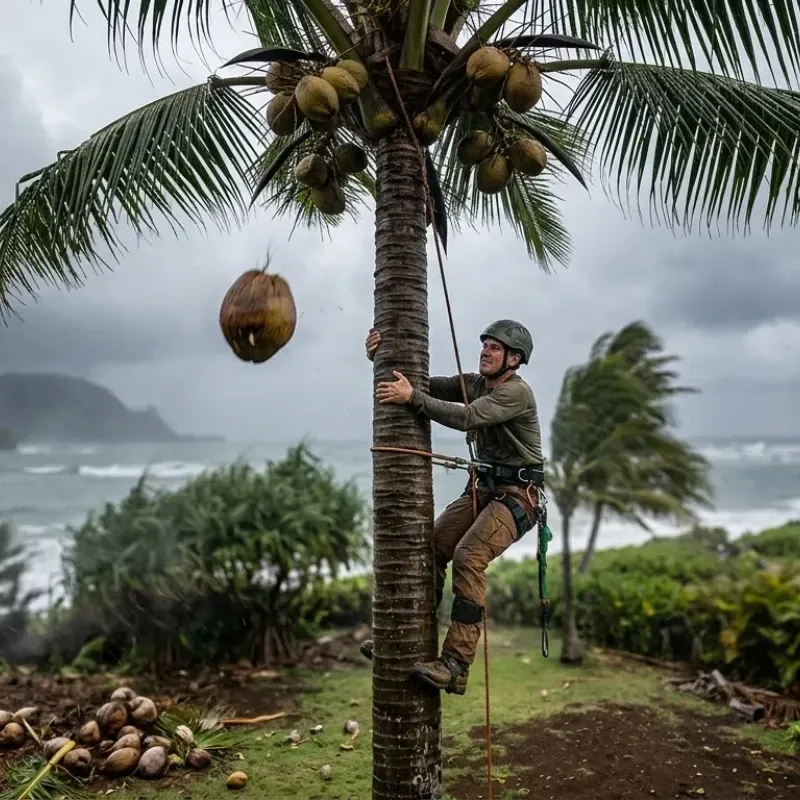
Coconut trees are structurally different from mainland trees. They lack traditional branches, which removes many natural anchor points climbers rely on for balance and safety. Their smooth, cylindrical trunks become especially slick in Hawaii’s humid climate, making footing unreliable even with proper equipment.
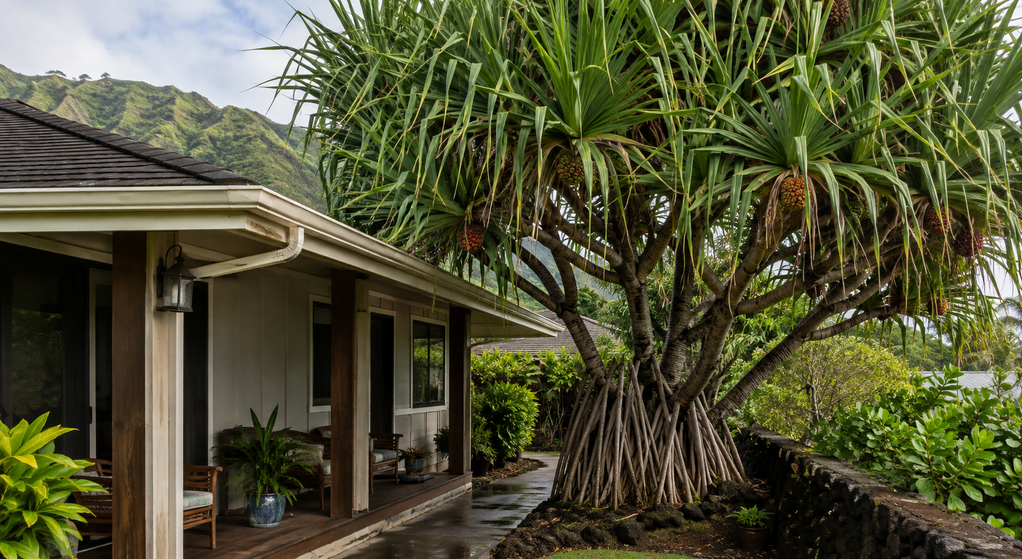
In our work responding to emergency calls, we have seen homeowners fall from relatively modest heights after losing traction on damp trunks. Coconut trees also carry concentrated weight at the crown. Honolulu tree trimming services note that a single mature coconut can weigh several pounds, and when dropped from height, it becomes a serious hazard. According to research documented by the U.S. National Library of Medicine, falling coconuts have caused serious injuries, including head trauma, in tropical regions, highlighting the real safety risks posed by coconut palms.
This risk matters because most DIY trimmers underestimate how quickly conditions can turn dangerous. Wind gusts, sudden rain, or a misjudged cut can change the situation instantly.
Common DIY Mistakes That Lead to Injury
One of the most frequent mistakes is using improper tools. Many homeowners attempt trimming with household ladders, pole saws, or even machetes. These tools are not designed for vertical palm work and offer little control at height.
Another issue is over-trimming. Removing too many fronds weakens the tree’s structure and increases wind resistance during storms. Based on experience maintaining long-term properties, improper trimming often leads to palms snapping or uprooting months later rather than immediately.
A third mistake involves underestimating fatigue. Palm trimming requires sustained grip strength and balance. Once fatigue sets in, reaction time slows, which significantly increases accident risk, something our tree trimming experts are trained to manage.
Legal Considerations in Hawaii
Hawaii does not have a single statewide law banning homeowners from trimming their own trees. However, legality depends heavily on location and circumstance. In many counties, including Honolulu, trees located near public sidewalks, roads, or utility lines fall under additional regulations.
If a falling frond or coconut damages a neighbor’s property or injures someone, the homeowner may be held financially liable. Under Hawaii law, an owner or occupier of land who knows or should have known of an unreasonable risk of harm on their property and fails to take reasonable steps to eliminate that risk or warn of it may be held liable in a civil negligence claim when a foreseeable hazard causes injury.
There are also situations where permits are required. Trees located within shoreline setback zones, conservation districts, or historic properties may be protected. The Hawaii Department of Land and Natural Resources outlines restrictions that many homeowners are unaware of until after a violation occurs.
This matters because ignorance of local rules does not shield homeowners from fines or lawsuits.
Why Hawaii Conditions Change the Risk Equation
Trimming advice from mainland sources often fails in Hawaii. Rapid growth due to year-round warmth means coconut trees develop heavier crowns faster. Storm patterns also differ. Sudden squalls and trade winds place unique stress on palms, especially those improperly trimmed.
In urban areas like Honolulu and Kalihi Valley, space constraints increase risk. A falling frond has fewer safe landing zones, raising the chance of vehicle or roof damage. Rural properties may seem safer, but access issues and delayed emergency response times increase consequences if something goes wrong.
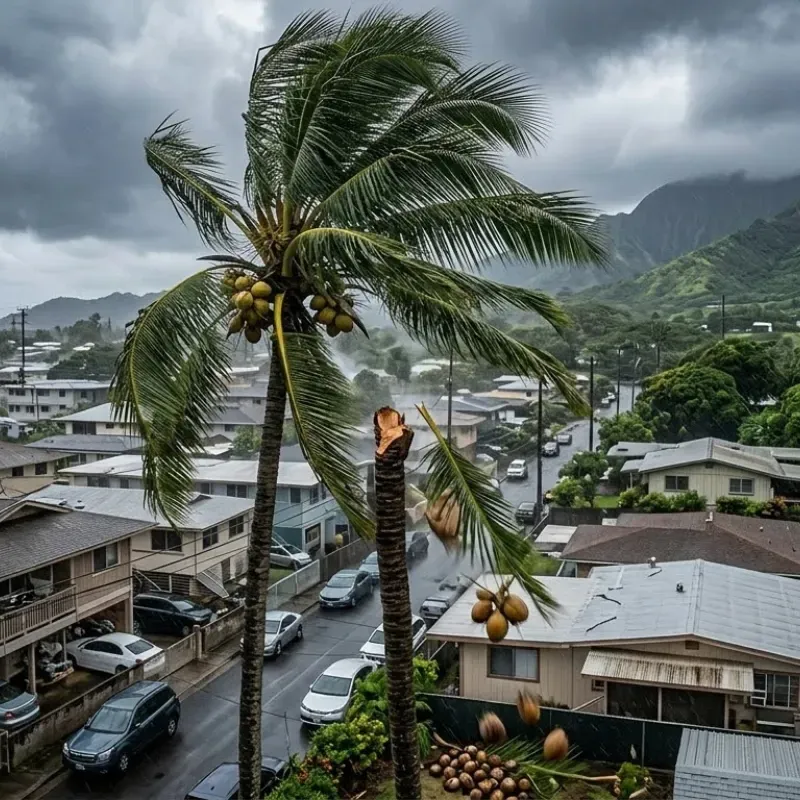
Based on experience from our tree trimming team servicing both urban and rural Oahu properties, location alone can turn a manageable task into a high-risk decision.
Tradeoffs Homeowners Should Honestly Weigh
Trimming a coconut tree yourself may save money upfront. That is the primary benefit. The tradeoff is exposure to physical injury, legal liability, and long-term tree health issues.
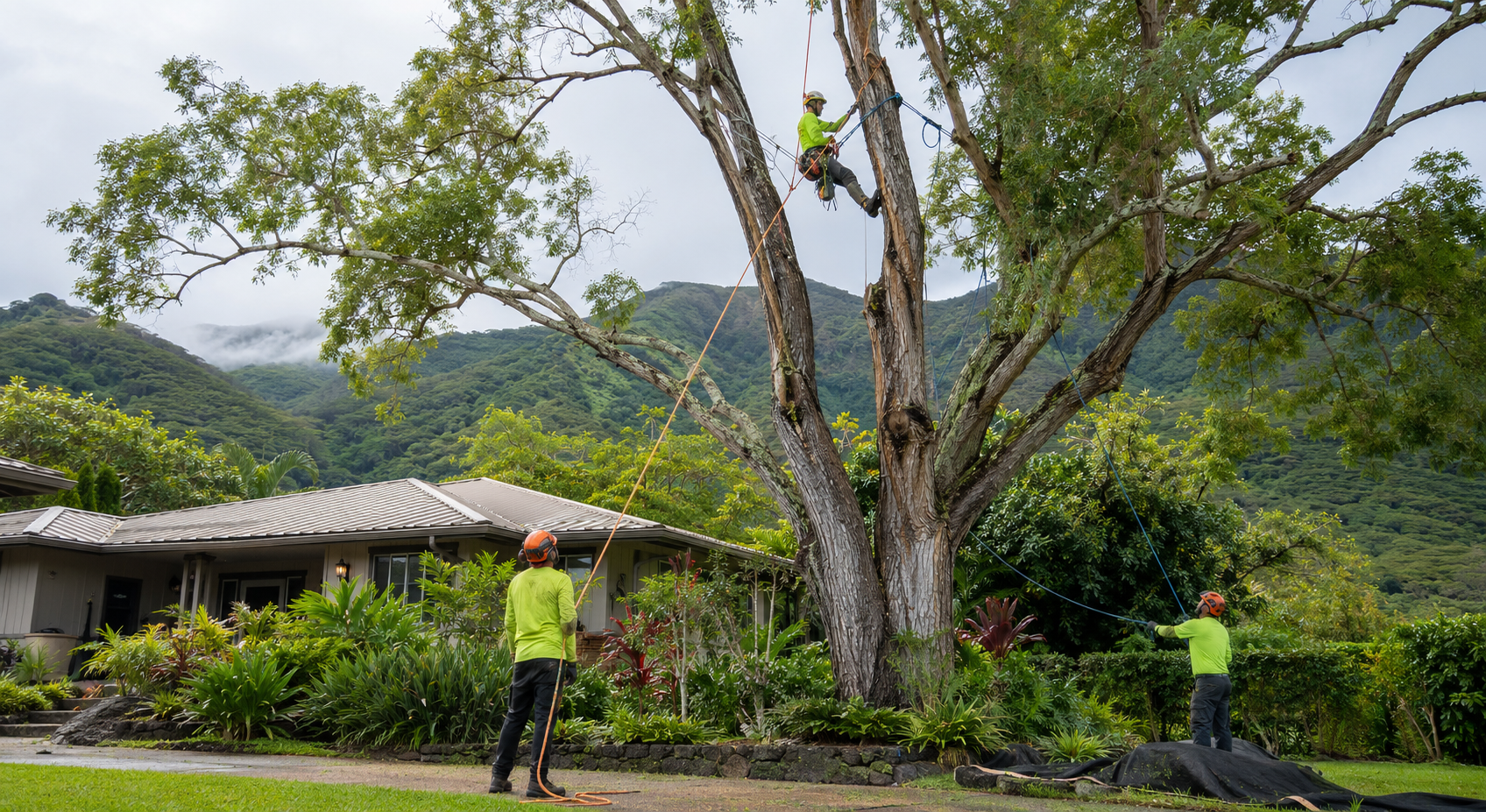
Professional services bring higher upfront costs but significantly reduce these risks. Certified climbers use controlled rigging systems, proper harnessing, and pruning techniques that maintain tree stability. They also carry insurance, which protects homeowners if something unexpected happens.
The smarter decision often depends on the tree’s height, proximity to structures, and the homeowner’s realistic skill level. Small palms under controlled conditions may be manageable. Mature coconut trees rarely are. To learn more, here’s how professionals safely handle hazardous trees in Oahu.
| Factor | DIY Trimming | Professional Service |
|---|---|---|
| Upfront Cost | Lower | Higher |
| Injury Risk | High | Low |
| Legal Liability | High | Reduced (insured) |
| Tree Health | Often compromised | Maintained properly |
| Equipment | Limited | Specialized tools & rigging |
External Safety and Industry Guidance
Proper palm pruning should follow specific best practices to avoid structural weakness and increased vulnerability to pests and disease, as excessive or improper cuts can weaken the tree and create potential entry points for infection. The Occupational Safety and Health Administration also identifies tree work as a high-risk activity requiring specialized training and equipment.
Local guidance from the City and County of Honolulu further stresses maintaining clear zones around sidewalks and roadways. These standards exist because accidents are common, not rare.
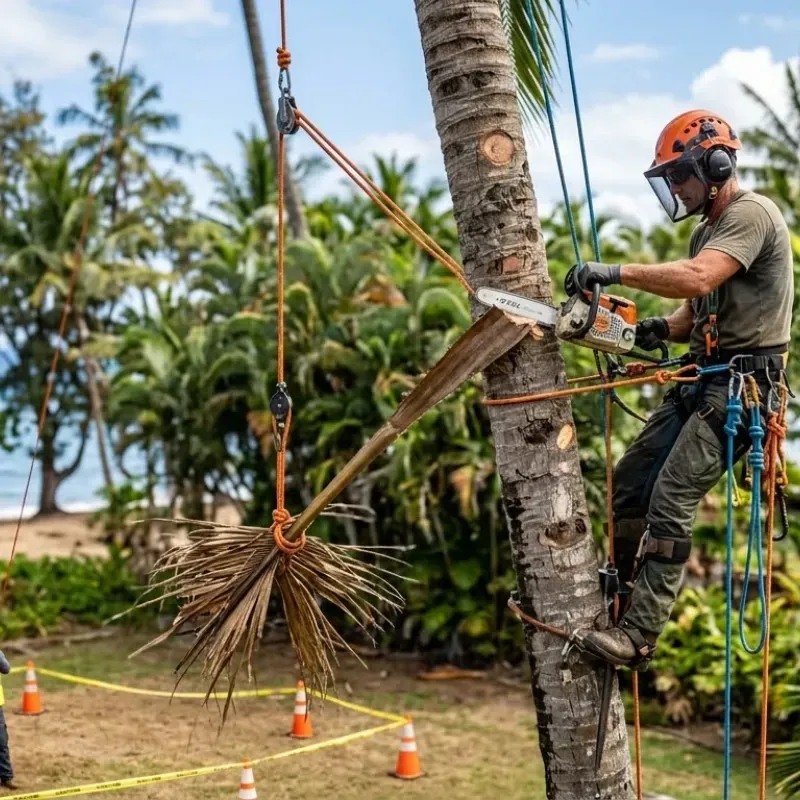
What Experienced Professionals Actually Do Differently
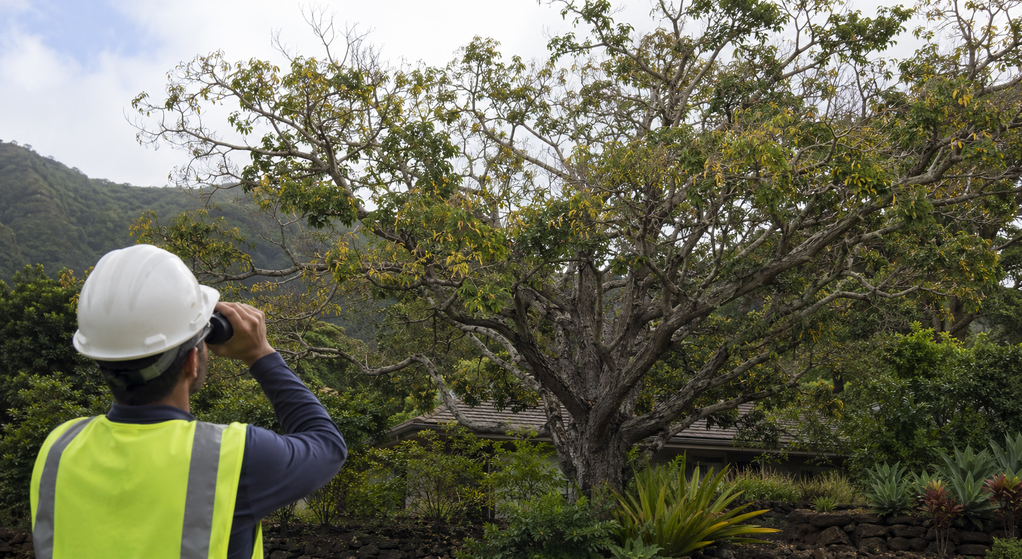
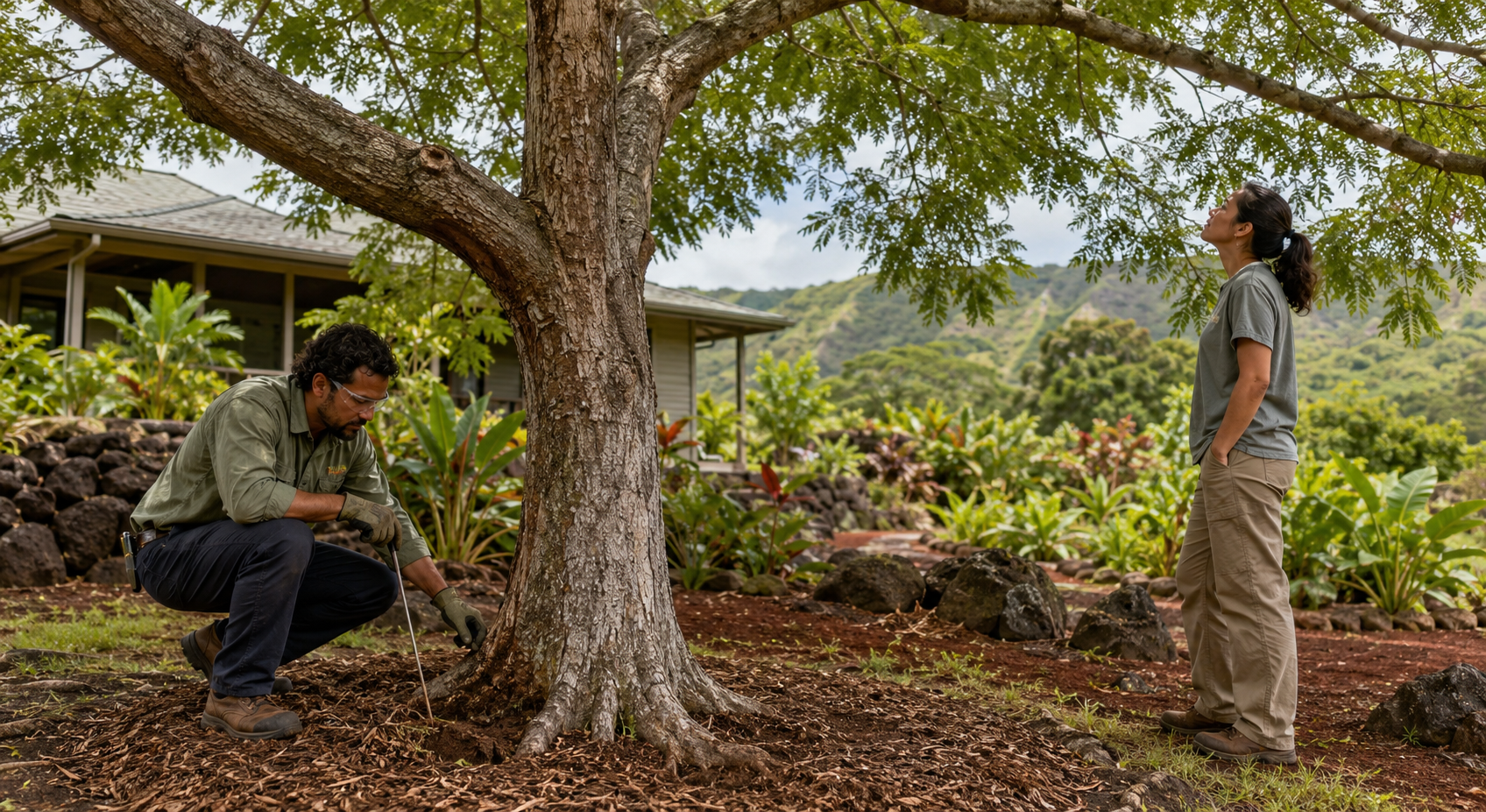
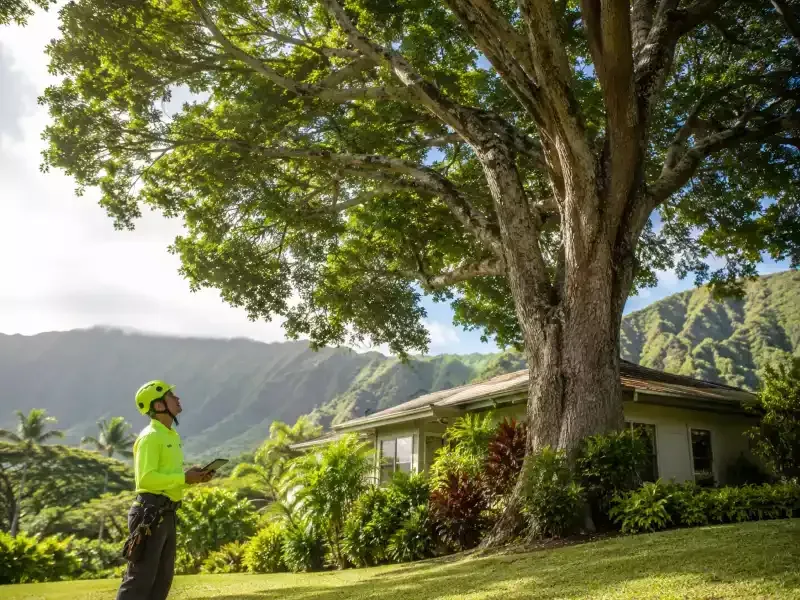
Professionals approach coconut trimming as a controlled operation, not a quick task. Each job begins with an assessment of wind direction, crown weight, and drop zones. Rigging systems are set to lower material safely rather than letting it fall.
In our work, we also schedule trimming intervals based on growth rates rather than appearance. This prevents emergency situations caused by overgrowth. Cleanup is treated as part of the safety process, not an afterthought, because debris left behind creates new hazards.
If you’d rather not take the risk yourself,
Learn how to find reliable coconut tree cutting services in Hawaii.
Next Step
Yes, you can trim a coconut tree yourself in Hawaii. In most cases, you should not. The combination of physical danger, legal exposure, and environmental factors makes DIY trimming a high-risk choice for mature palms.
The clear takeaway is to assess risk honestly rather than emotionally. If a tree is tall, near structures, or producing heavy fruit, the smarter next step is to seek guidance from professionals. That decision protects not only your property, but your health and peace of mind.