Common Coconut Tree Diseases in Hawaii and How Proper Pruning Can Help
Safety Insight: Common coconut tree diseases in Hawaii, such as lethal yellowing, bud rot, and Ganoderma butt rot, often develop silently and weaken trees before visible symptoms appear. While proper pruning cannot cure these conditions, it plays a critical role in reducing stress, improving airflow, preventing secondary infections, and maintaining structural stability.
If your coconut tree were slowly rotting from the inside, would you even know? Most homeowners in Hawaiʻi would not. From the ground, coconut palms often look healthy long after disease has started. The fronds are still green. The trunk still stands tall. Coconuts may still be forming. But internally, fungal decay, nutrient imbalance, or crown infection may already be weakening the structure. Let’s break down what actually threatens these trees and how smart maintenance makes a measurable difference.
Lethal Yellowing and Similar Decline Conditions
Lethal yellowing is one of the most widely recognized coconut palm diseases worldwide. While Hawaiʻi has historically had lower incidence rates compared to parts of Florida and the Caribbean, phytoplasma-related decline conditions still occur.
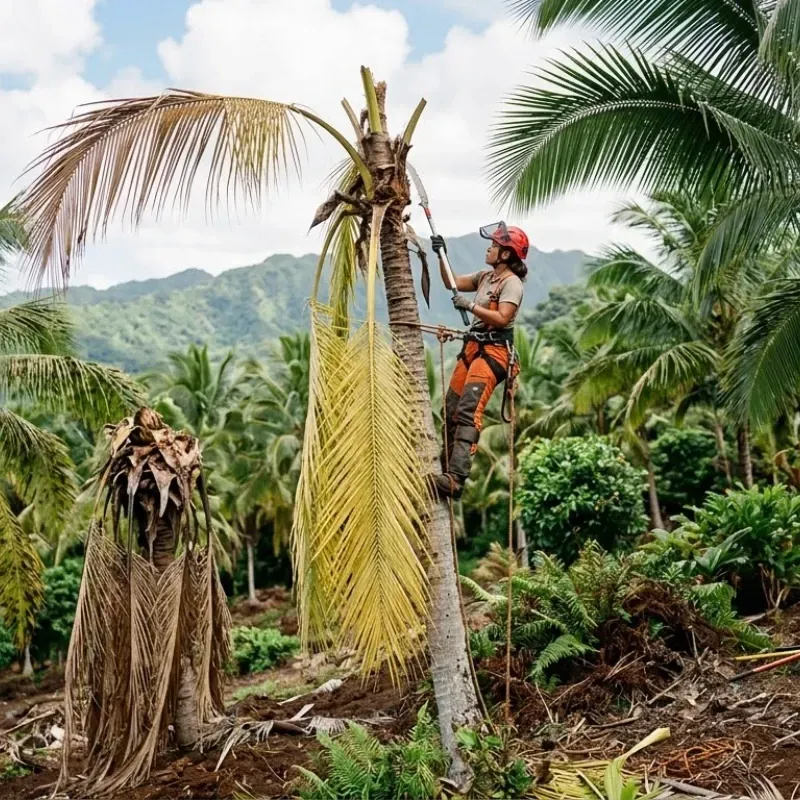
According to Tree trimming services in Honolulu, lethal yellowing causes premature fruit drop, yellowing leaves (fronds), and progressive decline of the palm canopy. Once advanced, recovery is unlikely.
Pruning cannot cure lethal yellowing. However, early removal of dead or infected fronds reduces secondary fungal colonization and prevents falling hazards. Based on experience working around declining palms in coastal Oʻahu, unmanaged dead fronds increase weight imbalance and create structural risk during high winds.
Bud Rot and Fungal Crown Issues
Bud rot affects the central growing point of the palm. It is often triggered by prolonged moisture and poor air circulation. Hawaiʻi’s humidity, especially on the windward side of Oʻahu, creates favorable conditions.
Symptoms include soft or rotting spear leaves and foul odor at the crown. The University of Hawaiʻi extension services note that early detection is critical because once the growing bud dies, the tree cannot recover.
Strategic pruning improves airflow within the canopy. Removing overcrowded, dying, or heavily infected fronds reduces moisture retention around the crown. Based on field experience, palms that are regularly maintained tend to dry faster after storms, reducing prolonged fungal exposure.
Improper topping, such as cutting large sections of the crown or removing healthy fronds, creates open wounds that increase the risk of infection, decay, and structural weakness. Honolulu tree trimming services recommend that coconut palms should never be cut below the green frond line unless removing dead tissue.
Nutrient Deficiency Confusion
Not all yellowing or browning indicates disease. Potassium and magnesium deficiencies are common in Hawaiʻi’s sandy or nutrient-poor soils.
Nutrient deficiency symptoms in plants often produce visual signs that can be mistaken for disease, with foliage symptoms that resemble pathogenic issues even though the underlying cause is nutritional.
Our tree trimming professionals have seen homeowners frequently misdiagnose a deficiency as an infection and remove excessive green fronds. This weakens the tree further.
Proper pruning means removing only fully dead or structurally compromised fronds. Healthy green fronds are essential for photosynthesis and nutrient recovery. Over-trimming disrupts energy production and slows growth.
| Symptom | Possible Cause | Common Mistake | Correct Action |
|---|---|---|---|
| Yellowing fronds | Nutrient deficiency | Removing green fronds | Keep healthy fronds |
| Browning tips | Potassium deficiency | Assuming disease | Soil treatment |
| Thinning canopy | Stress or deficiency | Over-pruning | Balanced trimming |
Ganoderma Butt Rot
Ganoderma butt rot is one of the most serious palm diseases in Hawaiʻi. It is caused by the fungus Ganoderma zonatum, which attacks the lower trunk and root system.
According to the University of Florida IFAS Extension, Ganoderma butt rot, a soil-borne fungal disease, infects palm trees and causes internal trunk decay leading to tree death, making it a serious threat to palms. Symptoms often include wilting, canopy thinning, and the appearance of a conk or shelf fungus at the trunk base.
By the time visible symptoms appear, internal decay is usually advanced.
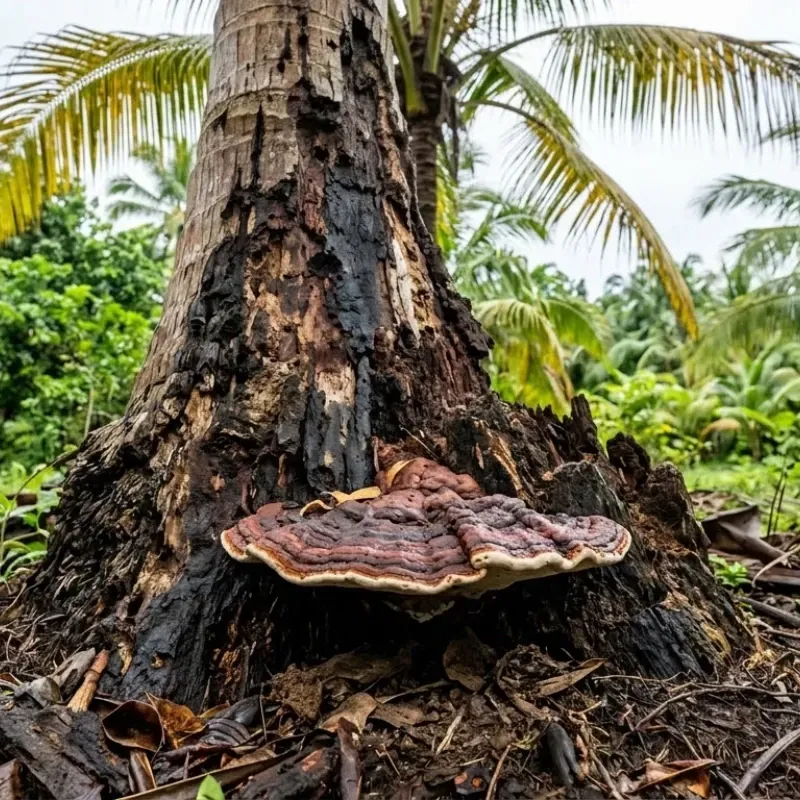
Pruning cannot reverse trunk rot. However, proper canopy management reduces excess weight stress on compromised root systems. In our work, we have seen neglected coconut palms with dense upper growth fail sooner under storm pressure compared to those maintained annually.
There is a tradeoff here. Over-pruning weakens palms and can increase stress. Under-pruning allows unnecessary weight accumulation. Balanced trimming supports stability without stripping the tree.
Storm Damage and Secondary Infection
Coconut palms in Hawaiʻi experience seasonal trade winds and occasional tropical systems. Microfractures in fronds or petioles allow fungal pathogens to enter.
After storms in areas like Kalihi Valley and East Honolulu, we have seen palms that appear stable initially but develop decay months later due to untreated damage.
Pruning after major weather events helps remove damaged tissue before infection spreads. Timing matters. Immediate cleanup reduces long-term stress and structural imbalance.
Waiting too long allows compromised fronds to become disease vectors.
Common Pruning Mistakes in Hawaiʻi
One of the most damaging mistakes is hurricane cutting. This involves removing nearly all fronds except a small tuft at the top. While it may look tidy, it severely weakens coconut palms.
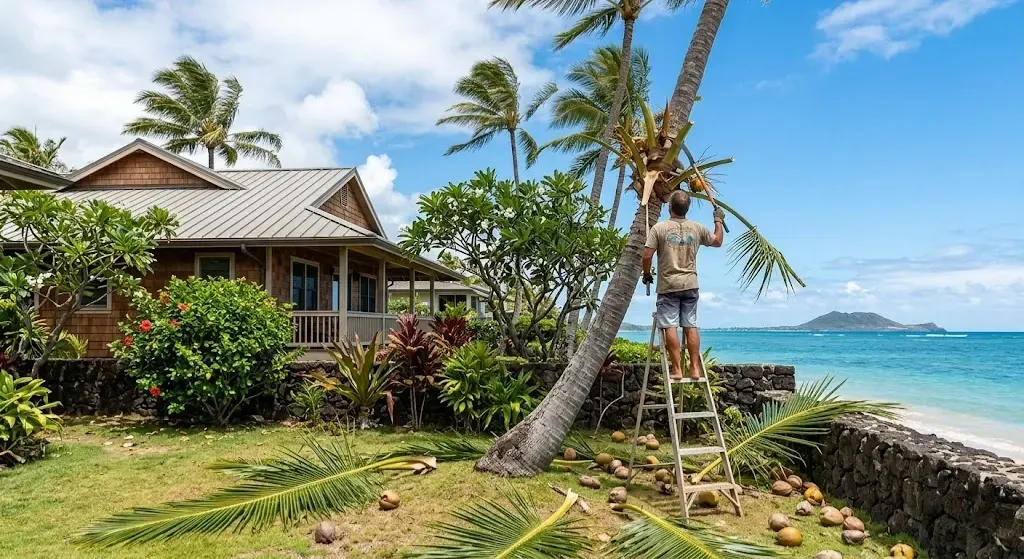
Another mistake is climbing with spikes on healthy palms. Improper climbing techniques puncture the trunk, creating entry points for fungal infection.
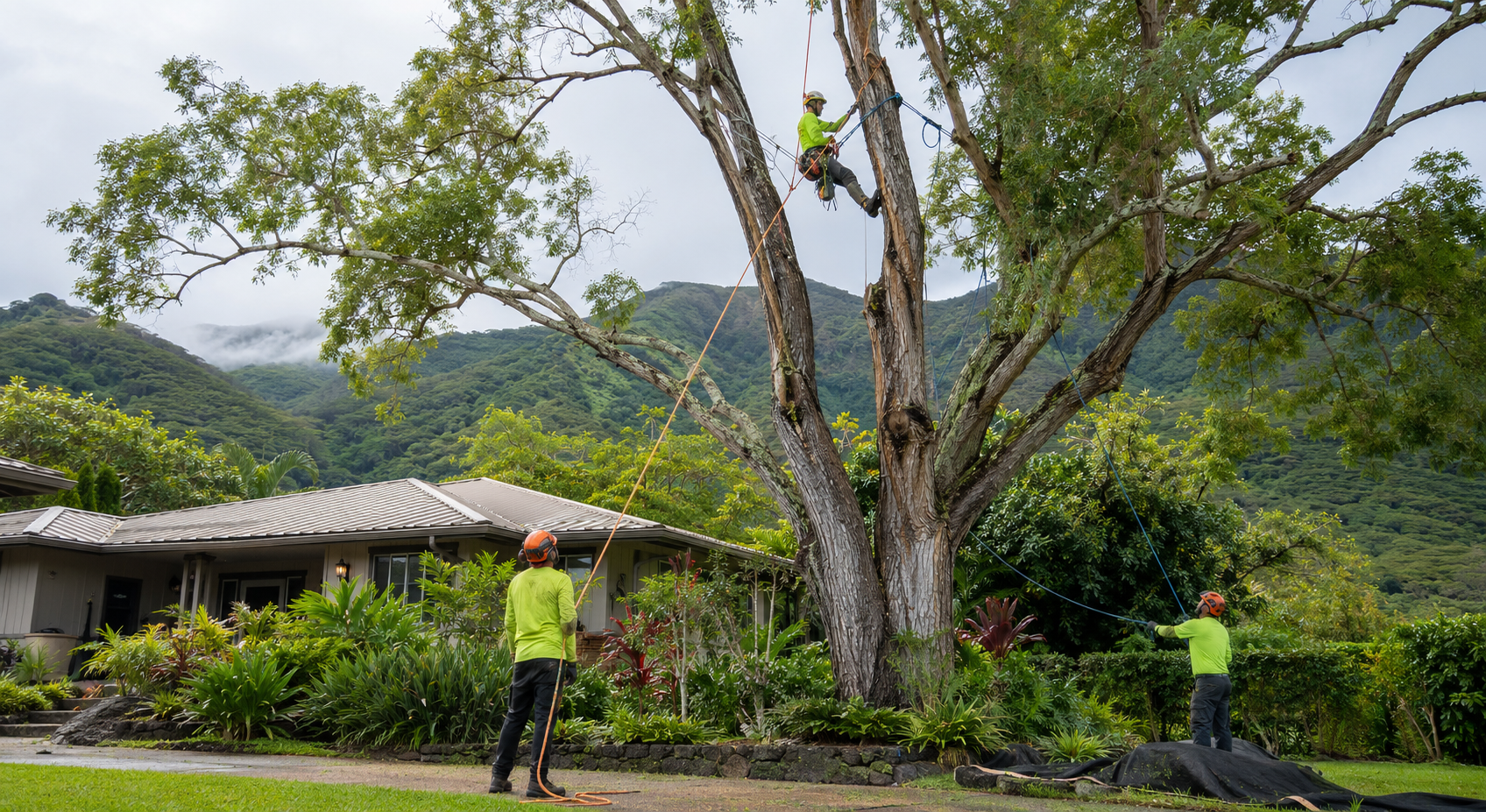
Based on hands-on climbing and rigging work across Oʻahu, proper equipment and technique significantly reduce long-term damage.

Why Pruning Intervals Matter in Hawaiʻi
Coconut palms grow continuously in Hawaiʻi’s climate. Unlike temperate trees, they do not experience dormant seasons. That means maintenance should follow a consistent annual or biannual schedule rather than reactive trimming.
In wind-exposed neighborhoods like Hawaiʻi Kai, slightly more frequent inspections may be necessary. In sheltered inland communities, annual pruning is often sufficient.
The goal is structural balance, improved airflow, and disease risk reduction without excessive canopy removal.
When Removal Becomes Necessary
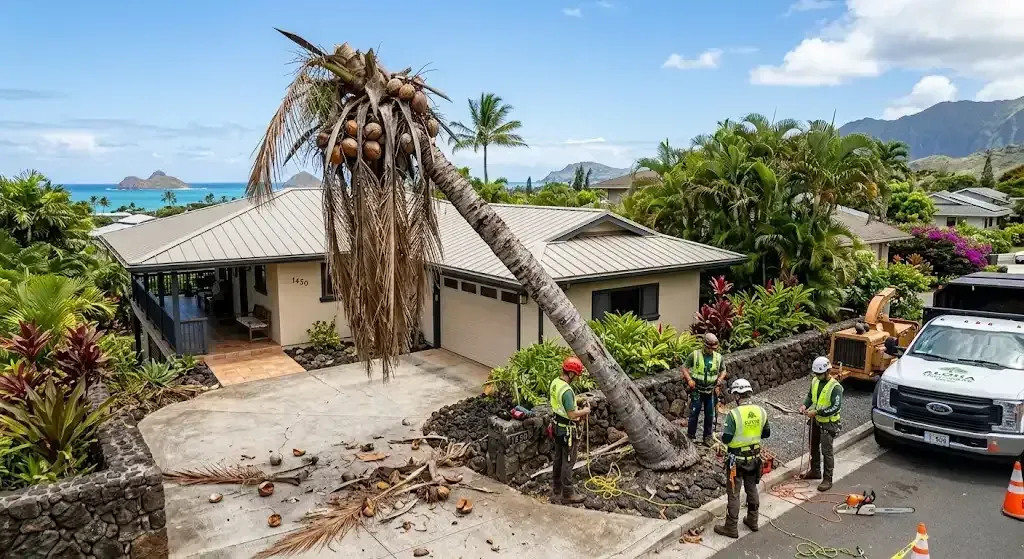
In cases of advanced Ganoderma butt rot or severe structural compromise, pruning alone is not enough. Removal may be the safest course of action.
Homeowners sometimes delay removal due to sentimental value or aesthetic concerns. However, diseased coconut palms can become hazardous quickly. Falling trunks or heavy crown sections pose serious risk.
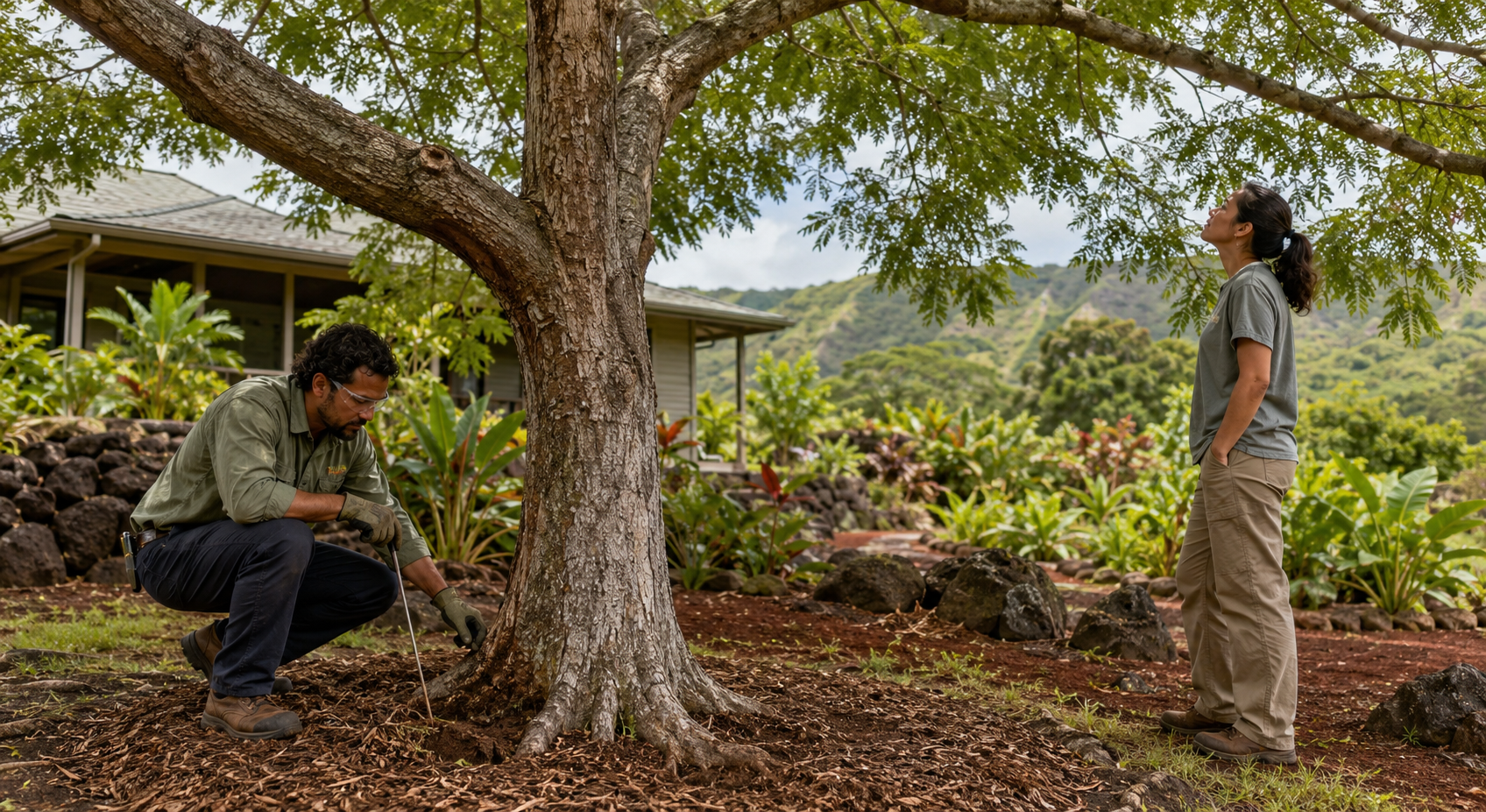
Professional assessment determines whether pruning can stabilize the tree or whether structural integrity is already lost. Here is why tackling coconut tree trimming on your own in Hawaii can be riskier than you think. Learn the safety tips and legal points every homeowner should know.
Final Takeaway
Coconut tree diseases in Hawaiʻi are often silent in early stages. Yellowing fronds, canopy thinning, and crown discoloration deserve attention rather than dismissal.
Proper pruning does not cure every disease. It does reduce stress, improve airflow, limit secondary infection, and maintain structural balance. When performed correctly and on schedule, it becomes one of the most effective preventive strategies available.
If your coconut palm shows persistent discoloration, fungal growth at the base, soft spear leaves, or storm-related damage, the next step is not aggressive cutting. It is an informed evaluation. Ask for professional assistance to assess the extent of the damage, identify any underlying diseases such as lethal yellowing, and determine the best course of action to preserve the health of your palm. Early intervention can prevent further decline, guide proper pruning or treatment, and ensure the tree remains safe and structurally sound.