Understanding Coconut Tree Growth in Coastal Areas of Oahu: Height, Age & Root Structure Explained
Bottom Line:
In Oahu’s coastal areas, coconut trees often grow taller and faster than many property owners expect, while their root systems can interact with nearby structures in unexpected ways. Understanding how height, age, and root spread work together helps homeowners make smarter decisions about trimming, removal, or planting near walkways, buildings, and utilities.
Coconut trees are one of the most recognizable features of Oahu's coastline. They lean into the wind, frame beaches, and give the island much of its visual identity. But for property owners who have one — or several — growing on their land, the aesthetic appeal quickly comes with practical questions. How tall will it get? How fast does it grow? What are the roots doing underground, and should I be worried about my foundation, driveway, or sewer lines?
These are not simple questions. The answers depend on where the tree is growing, how old it is, and what conditions it has been faced over time. Coastal Oahu presents a specific set of variables — salt air, sandy soil, wind exposure, and high humidity — that shape coconut tree growth in ways that differ from inland or drier environments. This article covers what property owners on Oahu actually need to know.
How Tall Do Coconut Trees Grow in Oahu
Typical height range
Mature coconut trees in Oahu generally reach between 50 and 100 feet in height, depending on variety, soil conditions, and how much wind exposure the tree has experienced over its life. Tall varieties — the most common in coastal Hawaii — tend toward the upper end of that range when growing in fertile, well-drained soil with consistent moisture. Dwarf varieties, which are less common in Oahu's coastal areas, typically max out between 20 and 40 feet.
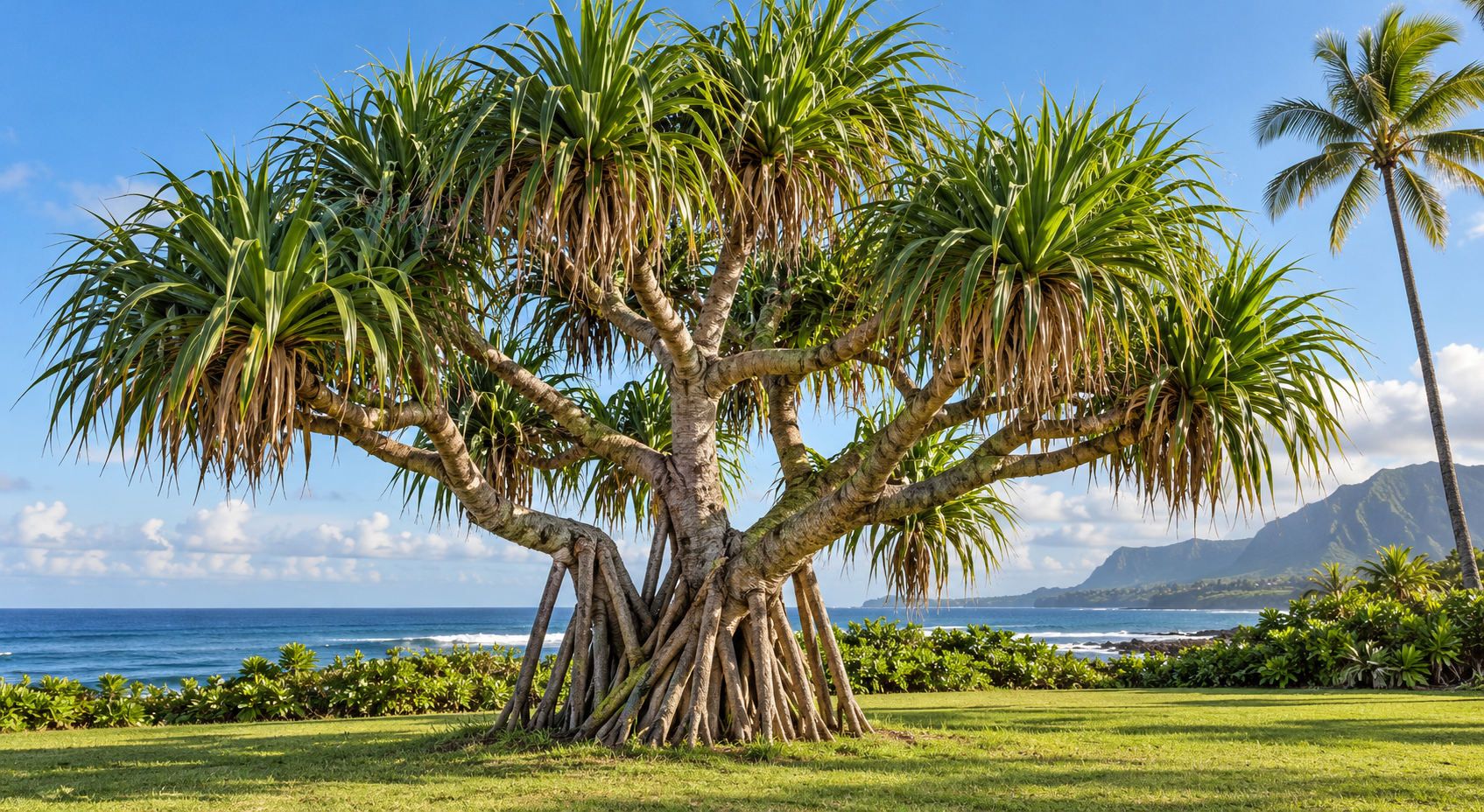
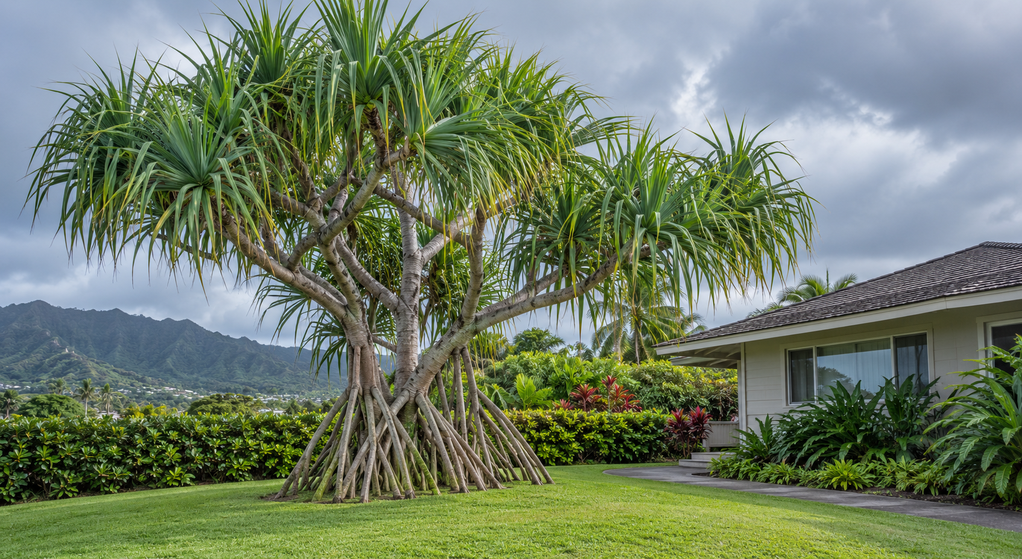
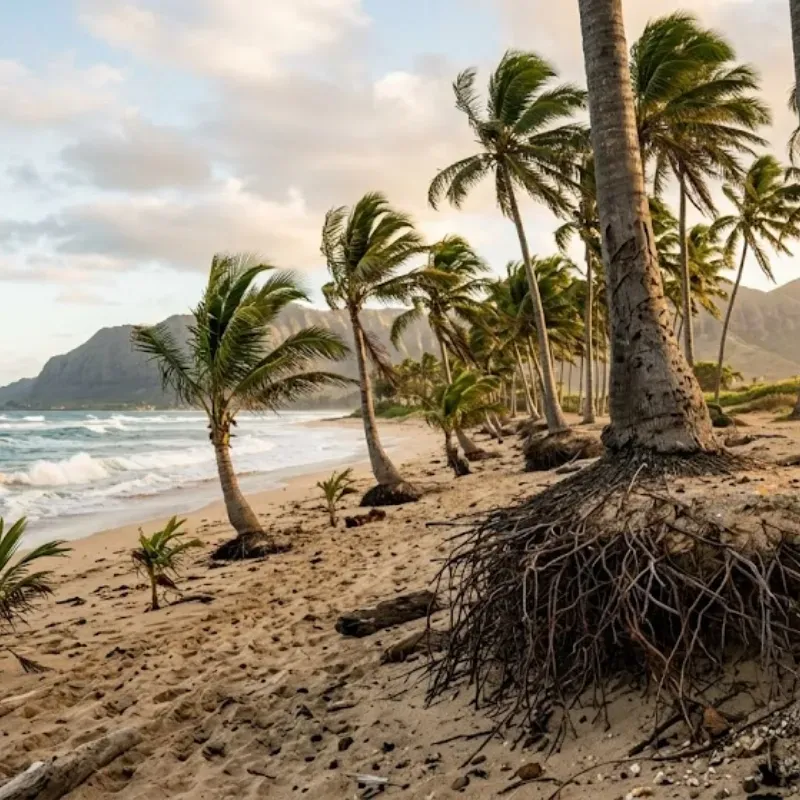
What surprises many property owners is how the lean affects perceived and functional height. Coconut trees in coastal areas frequently develop a pronounced lean — sometimes 20 to 30 degrees off vertical — driven by consistent trade winds and the tree's tendency to grow toward light over water. A 70-foot tree can extend its canopy and fronds well over a roof, driveway, or neighboring property line once that lean is factored in. For coconut tree care in Oahu, understanding actual canopy reach matters as much as raw height.
Growth rate by age
Coconut trees are relatively fast growers once established. In Oahu's coastal climate, a young coconut tree can put on one to two feet of trunk height per year during its active growth phase, which typically runs from years three through twenty. Before that, the tree is investing most of its energy into root development, and visible trunk growth is slower. After the tree reaches maturity, growth slows considerably, but the tree continues producing fronds and fruit for decades — often 70 to 100 years in total lifespan.
This growth pattern has direct implications for property owners. A tree that looks manageable at 25 feet can be at 50 feet within a decade, and the trajectory from there toward roofline clearance, overhead utility lines, or neighboring structures is worth thinking about early rather than after the fact.
How Age Affects Coconut Tree Structure and Risk
Age changes a coconut tree in ways that go beyond height. Older trees develop thicker, heavier fronds, larger and heavier fruit clusters, and a trunk that accumulates significant biomass over time. The structural integrity of the tree — its ability to withstand storm winds, the weight of wet fronds after heavy rain, and the mechanical stress of a sustained lean — is directly tied to how well it has been maintained across its life.
Trees that have gone without regular trimming for many years tend to accumulate dead frond material along the trunk, which adds weight, creates habitat for pests, and can obscure the condition of the trunk itself. In Oahu's coastal environment, where salt air accelerates certain forms of deterioration and periodic storm systems put trees under sustained load, an unmaintained older coconut tree carries more risk than its visual condition might suggest.
At
Oahu Tree Trimming & Removal Experts, we regularly inspect mature coconut trees for homeowners who are unsure whether a tree is healthy, hazardous, or somewhere in between. The most common finding is that trees that look structurally fine from the ground have frond accumulation, trunk softness, or root-zone issues that only become visible once a trained eye is on them up close.
Coconut Tree Root Structure: What It Means for Your Property
How coconut roots grow
Coconut trees have a fibrous root system rather than a taproot structure. Instead of one central root driving deep into the ground, coconut palms produce a dense mass of relatively thin roots that radiate outward from the base of the trunk, typically staying within the top three feet of soil. These roots can extend 30 to 50 feet laterally from the base in mature trees, covering a significant area around the planting site.
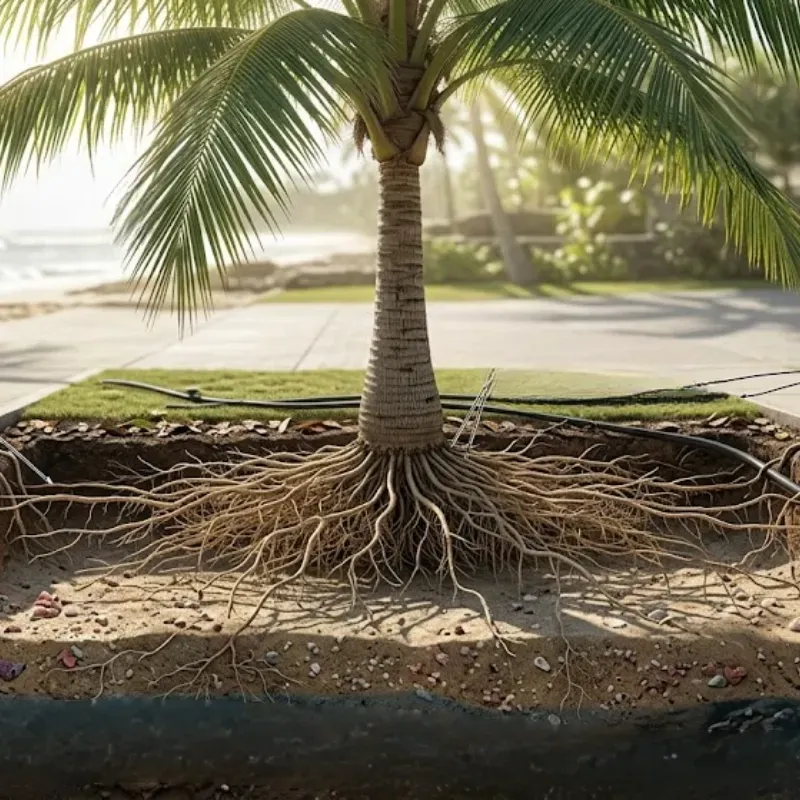
In Oahu's coastal sandy soils, this root system tends to spread widely and shallowly, which is part of what gives coconut trees their flexibility and resilience in high winds. The roots move with the tree rather than anchoring it rigidly, which is why coconut palms survive storm conditions that would topple more rigidly rooted trees. The tradeoff is that shallow, wide-spreading roots are more likely to interact with driveways, walkways, irrigation systems, and in some cases foundations.
Root impact on structures
The good news for most property owners is that coconut palm roots are generally less aggressive toward hardscape than the roots of large shade trees. They tend to follow the path of least resistance — growing into soft soil, following moisture, and avoiding dense compacted material — rather than actively penetrating concrete or masonry. That said, roots growing under an older driveway, sidewalk, or patio over many years can cause cracking and heaving as the tree matures and root mass increases.
The more common concern in coastal Oahu is root proximity to irrigation lines and drainage systems. Fibrous roots actively seek moisture, and the permeable joints in older irrigation and drainage systems can attract root growth in ways that cause blockages over time. If a coconut tree has been growing for more than 20 years within close range of underground utilities, having those lines inspected is a reasonable precaution. Our palm tree trimming in Oahu resource also covers how regular above-ground maintenance connects to managing the overall load the root system carries.
Planting distance considerations
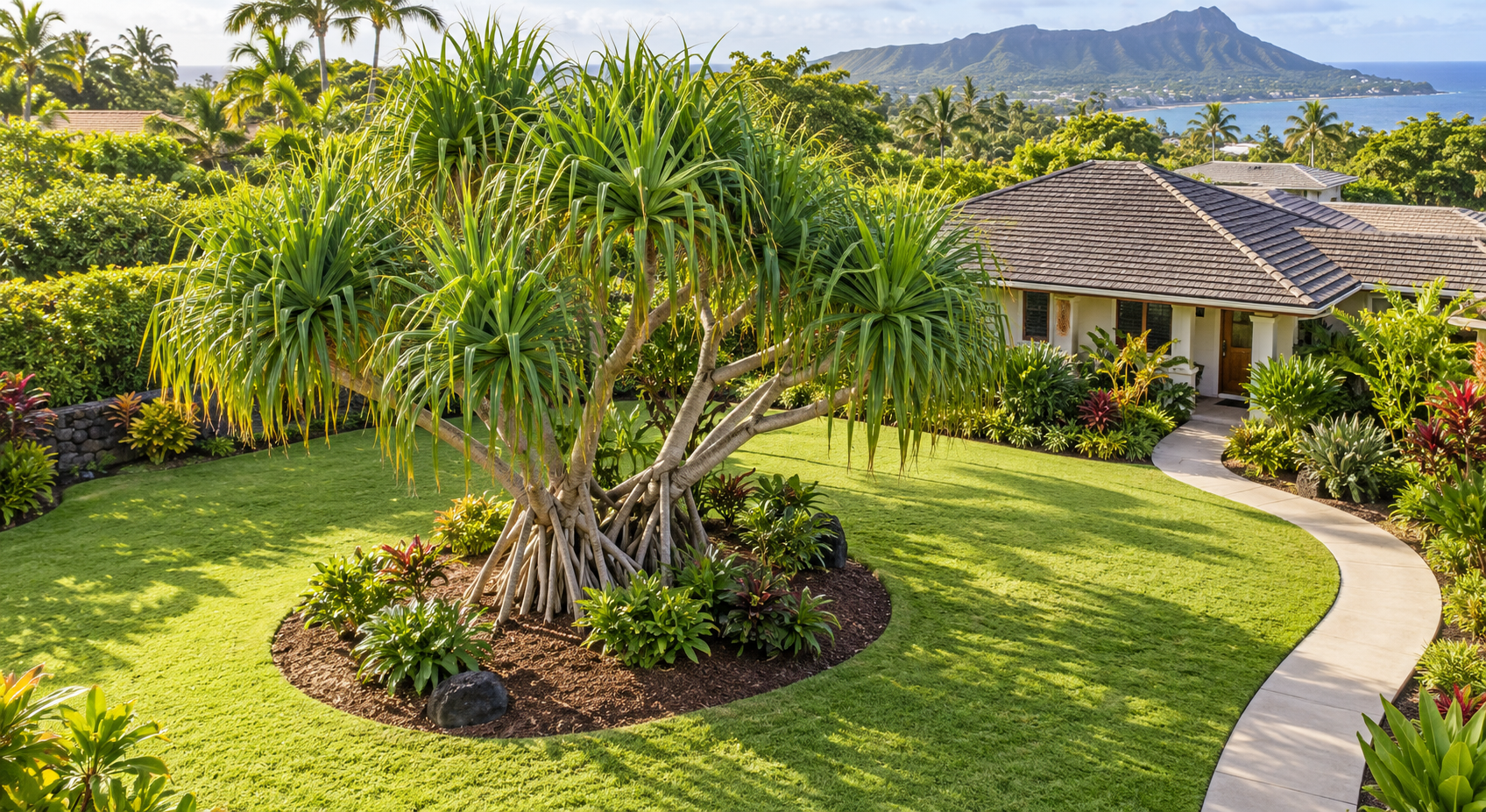
For property owners considering planting a coconut tree, the general recommendation is to maintain at least 20 to 25 feet of clearance from any permanent structure — foundation, retaining wall, or underground utility line. In coastal areas where trade winds create a reliable lean direction, plant with that lean in mind so the mature canopy extends away from the house rather than toward it. What looks like a comfortable margin at planting can become a close clearance problem at 50 feet of height with a 20-degree lean.
Why Regular Trimming Matters More in Coastal Conditions
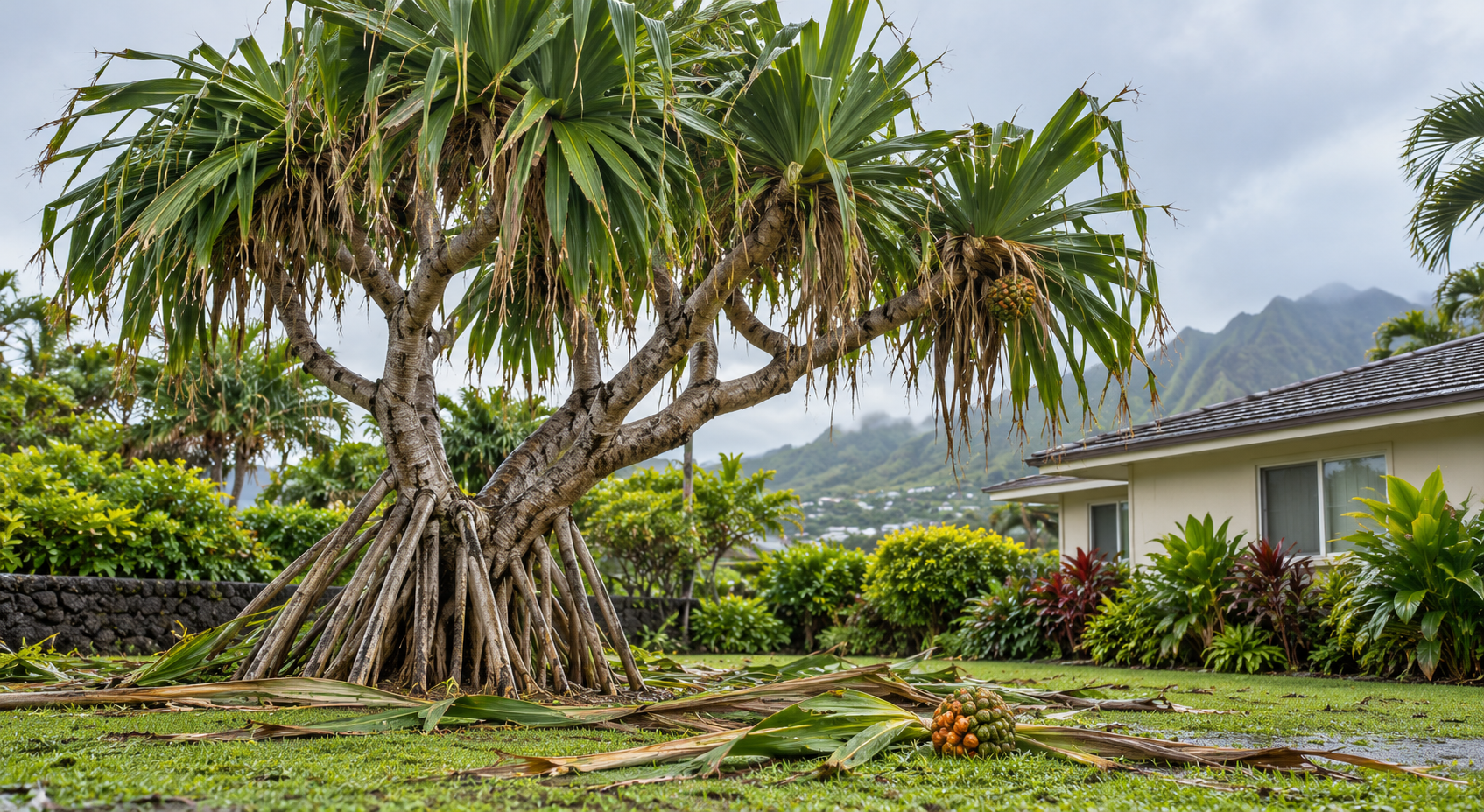
Oahu's coastal environment accelerates the maintenance cycle for coconut trees in several ways. Salt air dries fronds faster, leading to more frequent dead frond accumulation. Trade winds create continuous mechanical stress on frond attachment points, increasing the likelihood of frond drop. Humidity accelerates fungal growth in dead organic material that accumulates along the trunk. And the proximity of coastal properties to neighbors, roads, and pedestrian areas means that a falling frond — which can weigh 20 to 30 pounds — is a genuine safety consideration rather than a theoretical one.
Professional trimming every 6 to 12 months removes the dead frond material, reduces overall canopy weight, and gives a trained arborist the opportunity to assess the tree's condition from height. It also reduces the risk of coconut drop, which is a specific concern in Oahu where mature trees near walkways, parking areas, and outdoor living spaces create liability exposure for property owners.
Understanding the growth patterns covered in this article, including height trajectory, age-related structural changes, and root behavior, is the foundation for making good decisions about the coconut trees on your property. For a closer look at how our team approaches certified arborist pruning practices on Oahu, that resource covers the technical side of what safe, professional trimming actually involves.

Written By:
Domenique Bomediano
Landscape & Tree Care Educational Content Writer
Domenique Jose Bomediano creates research-based content focused on tree care, landscape management, and environmental property concerns. By combining arborist-backed practices, regional considerations, and practical homeowner needs, he helps readers better understand how to maintain safer, healthier outdoor spaces.