The Science Behind Seasonal Tree Care: How Regular Maintenance Protects Your Landscape Year After Year
Key Takeaways: Seasonal tree care protects landscapes by aligning maintenance with natural growth cycles, improving structural strength, root health, and resistance to pests and storms. Through consistent, well-timed pruning and monitoring, homeowners can prevent long-term damage, reduce risks, and ensure trees remain healthy, stable, and resilient year after year.
Trees are living systems governed by biology, physics, and environmental stress. Ignoring that science leads to weak growth, storm damage, and costly removals that could have been avoided. Seasonal tree care works because it aligns maintenance with how trees actually grow, store energy, and respond to stress. When care follows natural cycles, trees become stronger, safer, and more resilient year after year.

Structural Integrity Begins Early
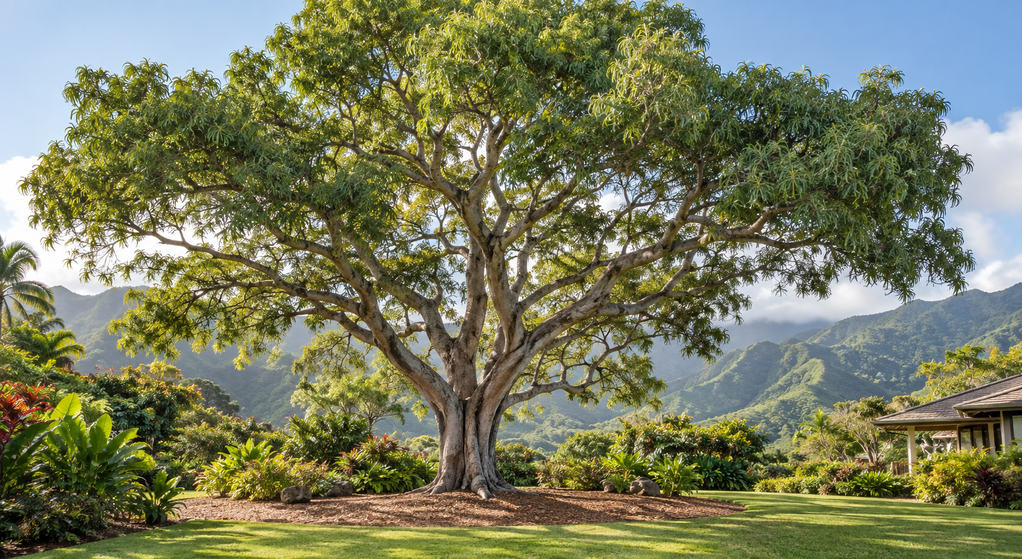
One of the most overlooked aspects of tree care is structural pruning. Trees that are never guided early develop poor branch spacing, heavy end weight, and unbalanced canopies. These structural flaws are not cosmetic. They directly increase the risk of failure during storms.
Regular seasonal maintenance gradually shapes a tree’s architecture. Weight is redistributed, competing leaders are reduced, and stress points are addressed before they become dangerous. Waiting until a tree is large limits correction options and increases risk.
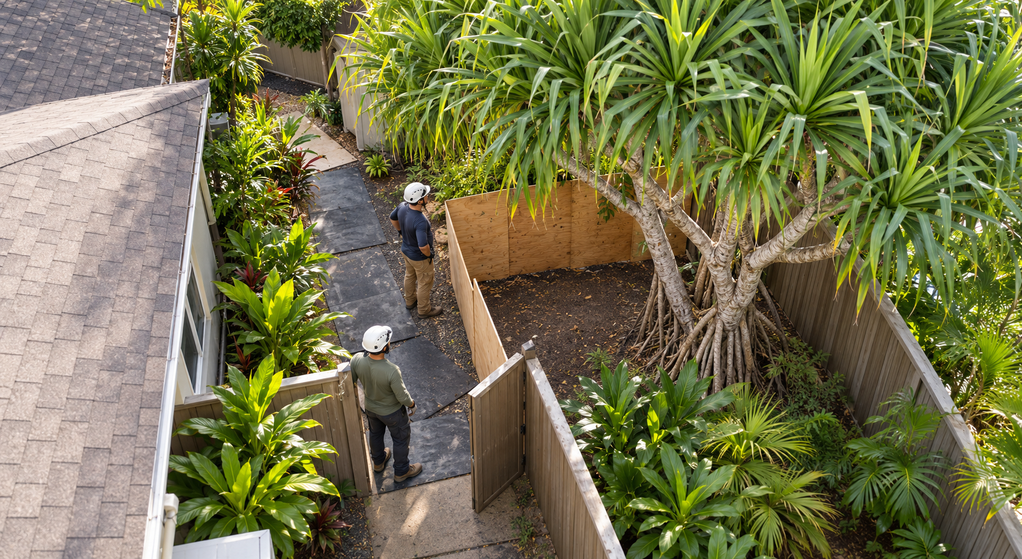
Proper tree pruning from
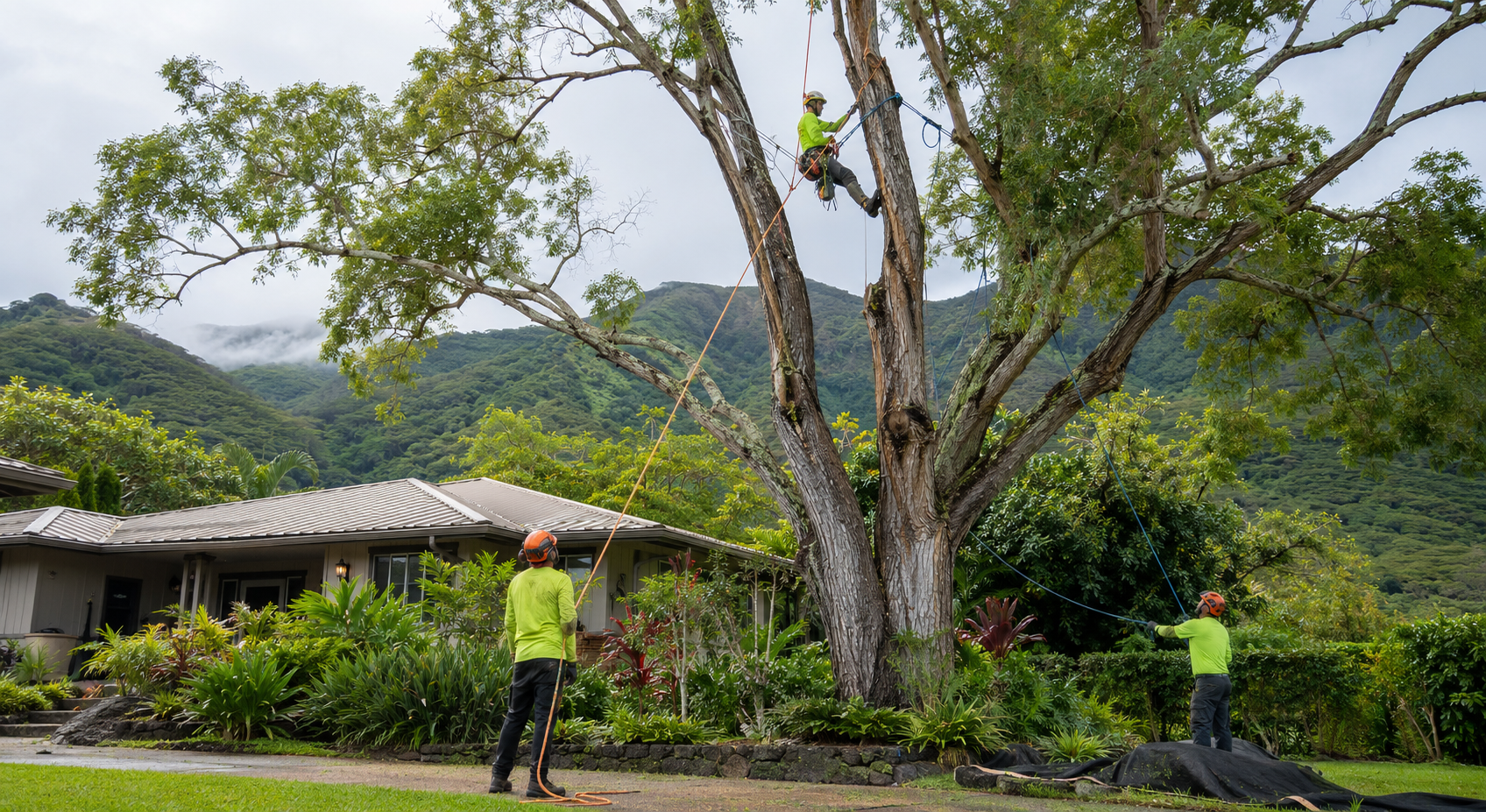
professional tree trimming services in Hawaii keeps your landscape healthy, safe, and visually appealing. Learn lessons from certified arborists on smarter and safer tree pruning practices in Oahu to maintain your trees the right way.
Root Health Is as Important as Canopy Health
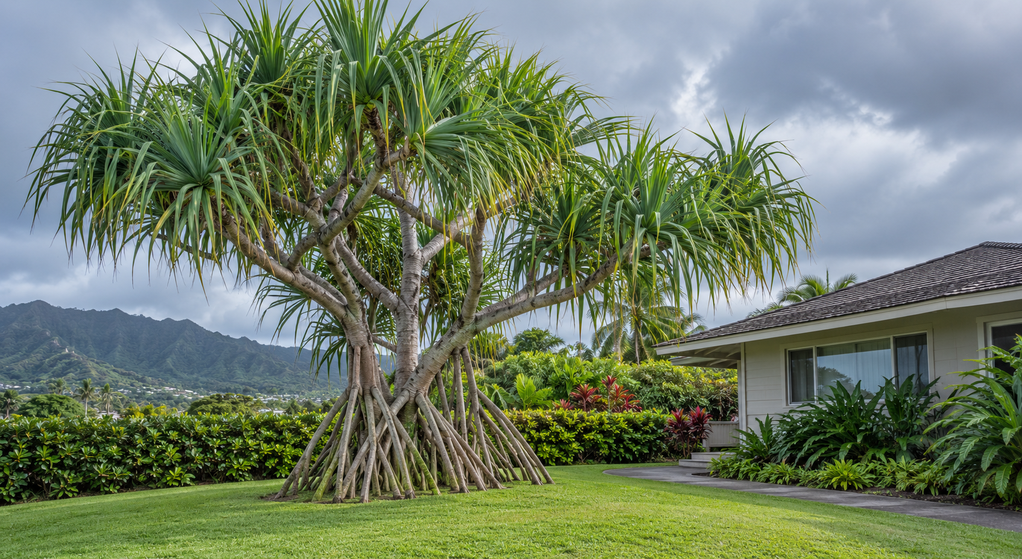
What happens underground often determines what fails above ground. Roots anchor trees, absorb nutrients, and regulate water uptake. Compacted soil, improper grading, and surface damage weaken root systems long before visible symptoms appear.
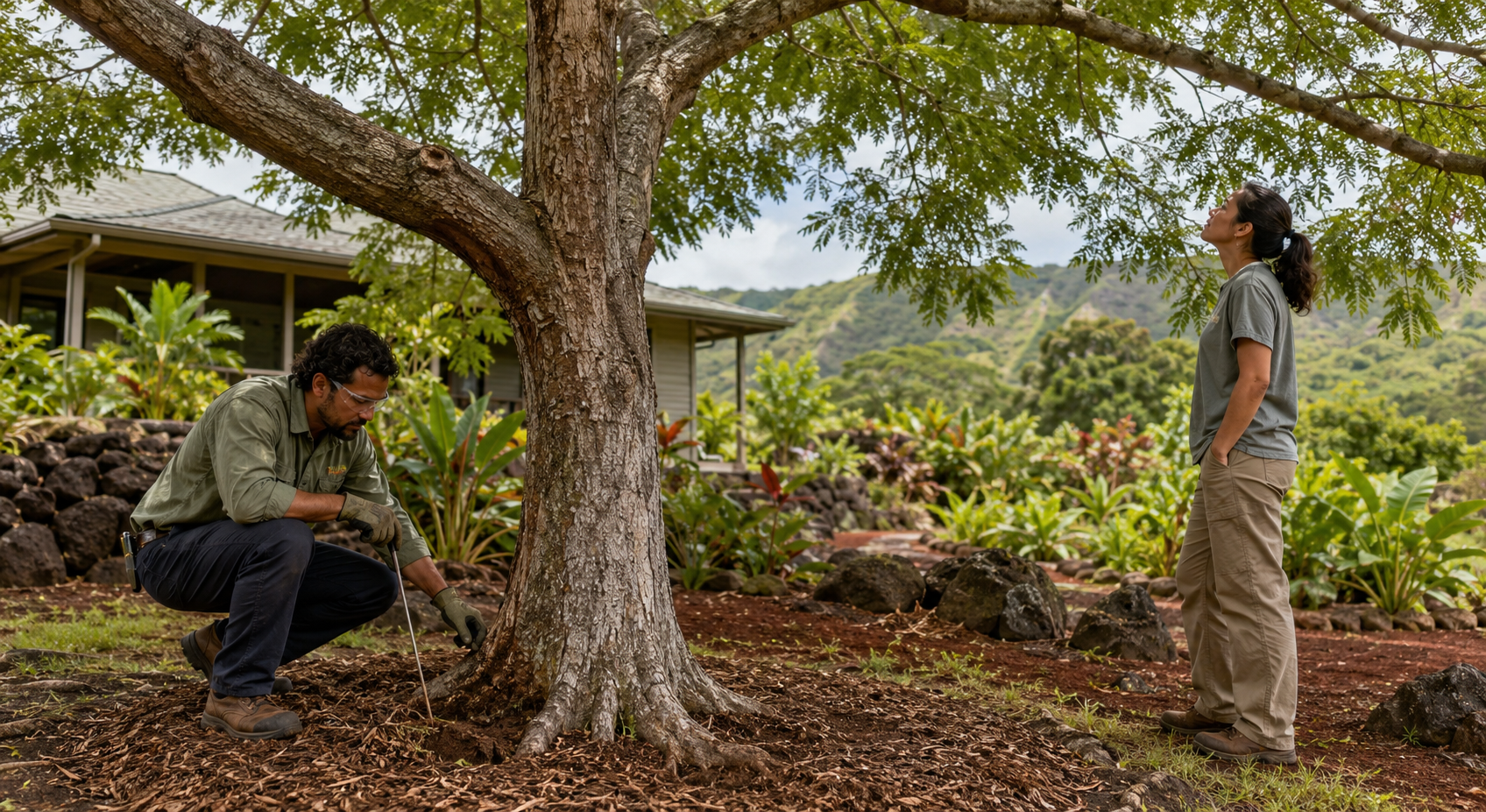
Seasonal care includes monitoring soil conditions, managing surface roots, and addressing root conflicts with hardscapes. Root pruning, when done strategically and at the right time, prevents future instability while preserving tree health. Ignoring root systems leaves trees structurally compromised even if the canopy appears healthy.
| Root Issue | Cause | Seasonal Management |
|---|---|---|
| Compacted soil | Foot traffic, grading | Aeration, soil management |
| Surface root damage | Landscaping, machinery | Protective barriers, careful pruning |
| Root conflict with hardscape | Pavement, structures | Strategic root pruning |
Seasonal Growth Requires Seasonal Management
Trees do not grow at a constant rate. Growth surges during favorable conditions and slows during periods of stress. Maintenance that ignores these cycles often backfires.
If pruning is not done during peak growth by professional tree trimming services in Hawaii, it can lead to rapid, weak regrowth that breaks easily. Pruning during recovery periods allows trees to seal cuts properly and redirect energy where it is needed most. Seasonal planning ensures that maintenance supports long-term stability rather than short-term appearance.
Disease and Pest Prevention
Fungal infections, decay organisms, and insect infestations thrive in stressed trees. Poor pruning practices, improper timing, and neglected wounds create entry points for pathogens.
Seasonal inspections catch early signs of disease before structural damage occurs. Our tree trimming team removes compromised limbs, improves airflow, and maintains proper spacing, reducing moisture retention that encourages decay. Healthy trees defend themselves more effectively when stress is minimized consistently.

Trees Respond to Timing
Pruning is not simply cutting branches. Every cut affects how a tree allocates energy, seals wounds, and grows new tissue. Timing those cuts correctly determines whether a tree recovers efficiently or struggles.
In warm, humid climates, trees grow almost year-round, but their growth intensity still shifts with seasons. Improper timing can trigger excessive sprouting, weaken branch structure, or leave trees vulnerable to pests and disease. Seasonal pruning works because it respects these biological rhythms instead of fighting them.
Trimming trees at the right time helps them stay healthy and reduces risks to your property. Learn when is the best time to trim trees in Hawaii to protect your landscape and ensure optimal growth.
Storm Resistance Is Built Over Time
Storm damage rarely comes from a single event. It is the result of years of unmanaged growth. Over-topped trees, long lateral branches, and dense canopies catch wind and amplify force.
Regular thinning reduces wind resistance and allows airflow through the canopy. Strategic reduction minimizes leverage on major limbs. These adjustments cannot be safely achieved in one aggressive session without harming the tree. Seasonal care builds storm resistance gradually, preserving both strength and health.
Storms can leave trees weakened or damaged, putting your property at risk. Learn how a professional arborist in Oahu HI can save your storm-damaged trees and restore their health safely and effectively

Safety Relies on Controlled Growth
Unmaintained trees grow unpredictably. Branches extend toward structures, power lines, and walkways. Each year of unchecked growth increases risk.
Seasonal trimming controls direction and clearance incrementally. This approach avoids drastic cuts that shock trees and compromise stability. Controlled growth protects property and people while maintaining natural form.
Stump and Regrowth Management Matters
Stump removal and regrowth control are often treated as one-time tasks. In reality, improper removal leads to repeated sprouting, decay spread, and soil instability.
Seasonal monitoring ensures regrowth is managed before it becomes established. Proper timing prevents energy storage in unwanted shoots and reduces long-term maintenance demands.
Landscapes Are Systems, Not Isolated Trees
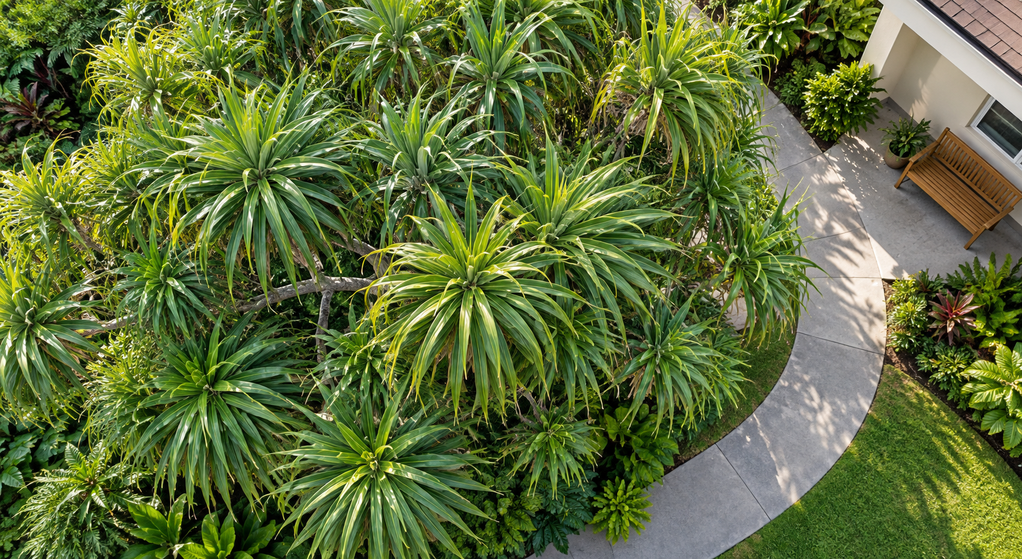
Trees interact with surrounding plants, soil, water flow, and structures. Seasonal care accounts for these interactions. Changes in one part of the landscape affect the entire system.
Managing canopy density influences light penetration and undergrowth health. Root care affects drainage patterns. Thoughtful seasonal maintenance balances the ecosystem rather than addressing symptoms in isolation.
Why Inconsistent Care Fails
Skipping seasons creates uneven growth patterns. Trees respond to neglect with rapid, weak growth that undermines structural integrity. Inconsistent care forces harsher corrections later, increasing stress and risk.
Consistent seasonal maintenance produces predictable growth and manageable workloads. Trees adapt to routine care and respond more favorably over time.

Long-Term Protection Requires Long-Term Thinking
The biggest misconception in tree care is that maintenance is optional until a problem appears. By the time visible damage occurs, internal stress has often been building for years.
Seasonal tree care is not about aesthetics. It is about biomechanics, biology, and risk management. Trees maintained on a seasonal schedule live longer, withstand storms better, and require fewer emergency interventions.
Final Thoughts
Trees are dynamic living structures shaped by time, environment, and care. Treating them as static features leads to failure. Treating them as biological systems leads to resilience.
Seasonal tree care works because it aligns maintenance with natural growth cycles and structural needs.