How to Prevent Coconut Fruit Drop Accidents in Oahu With Proper Tree Maintenance
Bottom line: Coconut fruit drop in Oahu poses a real safety risk due to year-round growth, heavy fruit, and unpredictable weather conditions. Through regular maintenance, proper pruning, and proactive fruit removal, property owners can significantly reduce hazards, protect people and property, and keep coconut palms safe and well-managed over time.
Have you ever walked under a coconut tree and wondered, what would happen if one of those coconuts fell right now? Coconut trees are part of Oahu’s identity. They line beaches, shade homes, and give the island its tropical character. But there is one reality many property owners underestimate. Coconut fruit drop is a safety issue that can be managed, reduced, and often prevented with proper care.
Why Coconut Fruit Drop Is a Real Safety Issue
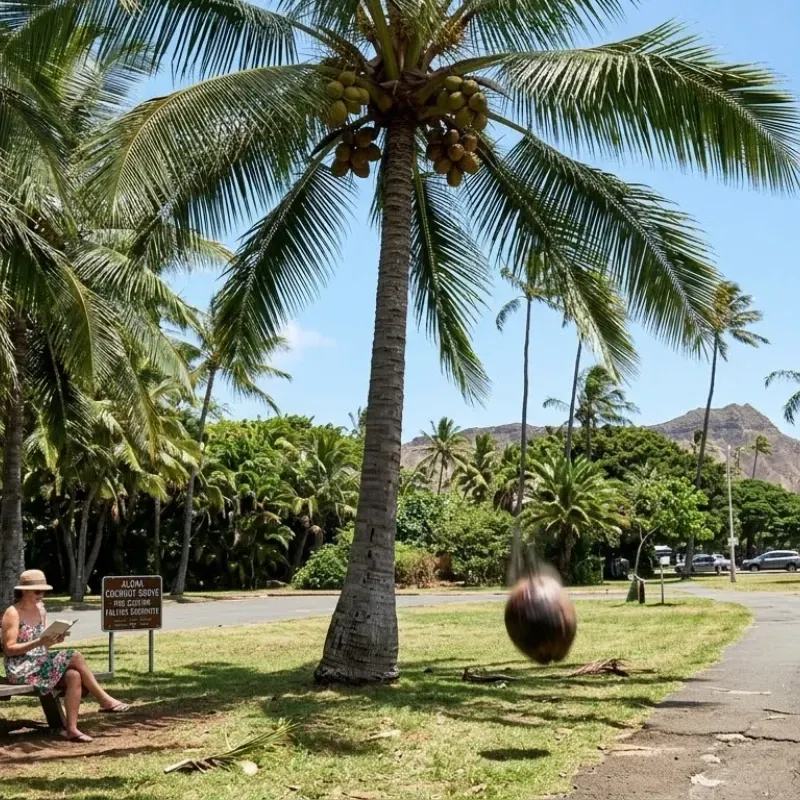
Oahu’s warm climate allows coconut palms to produce fruit year-round. Unlike seasonal fruit trees on the mainland, coconut palms do not take long breaks. That means there is always some stage of coconut growth happening in the canopy.
Humidity, trade winds, and storm systems also influence fruit drop. Strong gusts can dislodge mature coconuts without warning. Even on calm days, overripe fruit naturally detaches.
According to tree trimming services in Honolulu, falling tree debris is a recognized hazard in public and private spaces, especially during storm seasons, with the department issuing official guidance reminding forest users of the risks of tree falls and other natural hazards.
Coconut palms are specifically noted in local risk discussions because of their height and fruit weight.
The bottom line is simple. If a coconut palm stands near walkways, parking areas, neighboring yards, or gathering spaces, unmanaged fruit becomes a predictable risk.
The Maintenance Approach That Actually Works
Many people assume trimming a coconut tree once in a while is enough. That is not how coconut palms behave. Proper maintenance follows a schedule and a method.
Based on hands-on field experience maintaining palms across Oahu, Oahu tree trimming and removal experts say these steps matter most:
1. Regular Fruit Removal
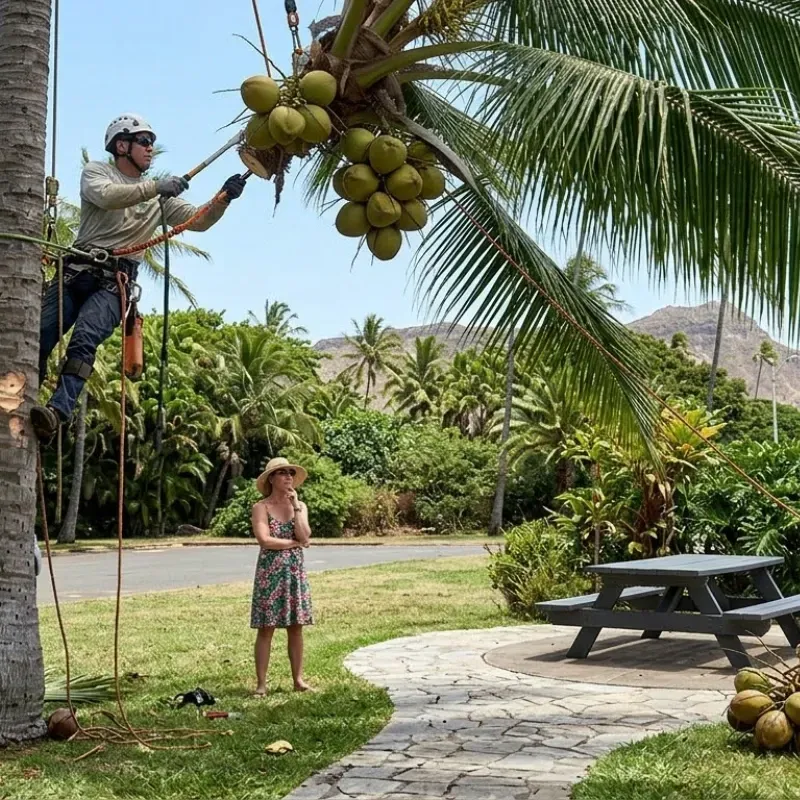
The most effective prevention method is proactive fruit removal. Waiting until coconuts look large and brown is too late. At that stage, they are close to dropping.
A practical interval for most Oahu properties is every 3 to 4 months. High-traffic areas such as rentals or commercial spaces may need more frequent service.
This matters because coconut clusters mature at different times. Removing only a few visible coconuts does not solve the problem. The whole fruiting cluster must be assessed.
2. Structural Frond Pruning
Dead or dying fronds can hide coconuts from view. They also become hazards themselves when they detach. Proper pruning improves visibility and reduces extra falling debris.
However, over-pruning is a common mistake. Removing too many green fronds weakens the palm and can affect growth. Palms rely on nutrients taken up and processed through their fronds, and proper nutrition and frond retention are essential for palm health and resilience.
Smart pruning balances safety and tree health.
3. Height and Location Awareness
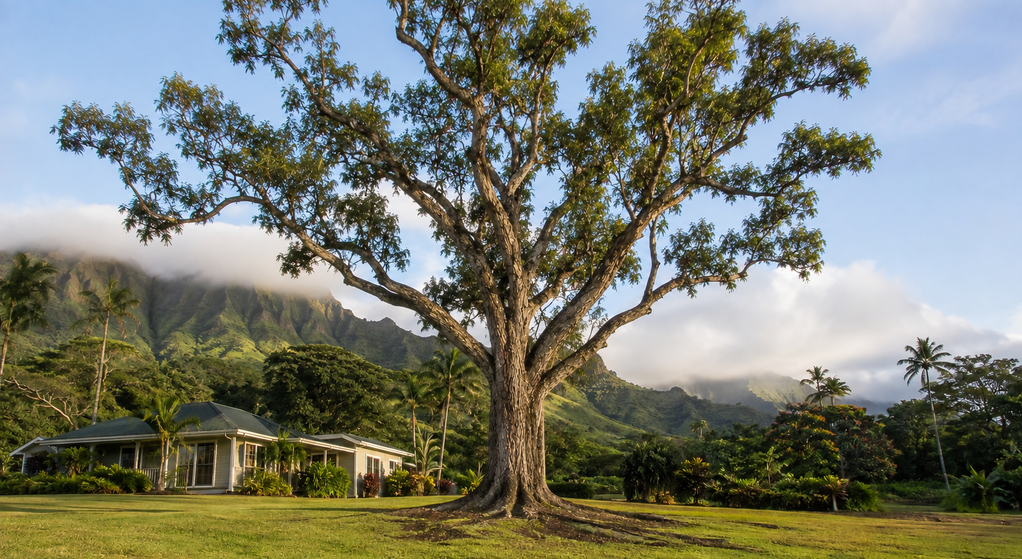
Some coconut palms were planted decades ago with little thought to future growth. Today, they tower over driveways, playgrounds, and rooflines.
If a palm consistently drops fruit near high-use areas, relocation is rarely possible. In those cases, scheduled maintenance becomes even more critical. Ignoring location risk is one of the biggest errors property owners make.
Common Mistakes That Increase Risk
Many coconut fruit drop incidents follow the same patterns. Recognizing these helps owners make smarter decisions.
Waiting Until a Problem Appears
If a coconut has already fallen near people or cars, the tree is overdue for service. Prevention works best when it is routine, not reactive.
DIY Trimming Without Proper Skill
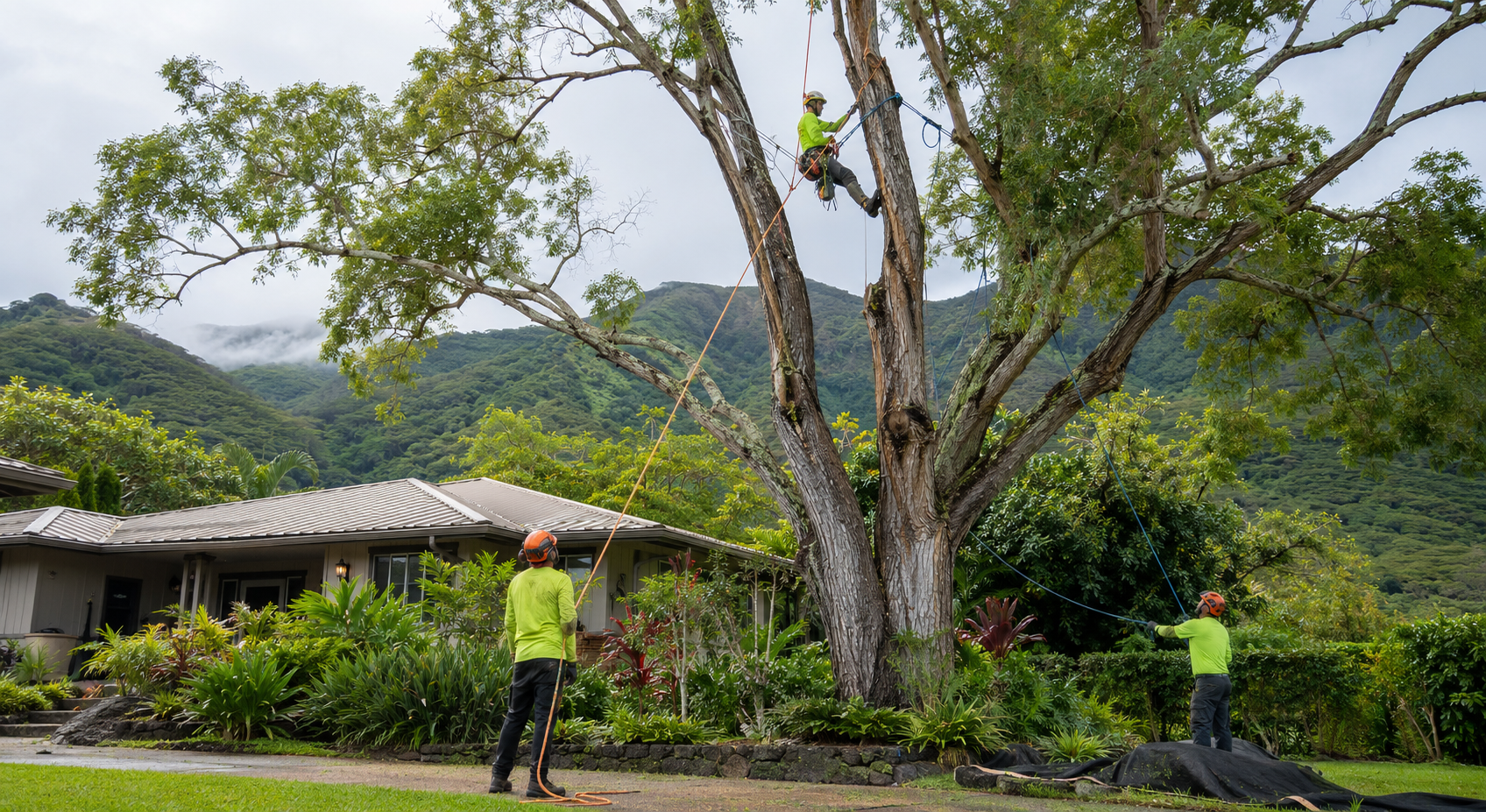
Coconut palms are tall and slippery. Climbing them without training or safety gear is dangerous. Injuries from falls are far more common than people realize.
Assuming Young Trees are Safe
Even medium-height palms can produce heavy fruit. Risk is not limited to towering beachside trees.
Ignoring Seasonal Weather
Storm periods increase drop risk. Pre-storm maintenance is a practical safety step in Oahu.
| Maintenance Task | What It Involves | Recommended Frequency | Why It Matters |
|---|---|---|---|
| Regular Fruit Removal | Removing all coconut clusters | Every 3–4 months | Prevents sudden falling coconuts |
| Structural Frond Pruning | Removing dead/dying fronds | As needed | Improves visibility and safety |
| Height & Location Awareness | Assessing tree position vs. activity zones | Ongoing | Reduces risk in high-traffic areas |
Tradeoffs Property Owners Should Understand
Tree maintenance always involves decisions. Coconut palms are no exception.
Frequent trimming costs more than occasional service, but medical bills, liability claims, or property damage cost far more, so tree experts recommend regular maintenance as the smarter financial choice.
Another tradeoff is aesthetics. Some owners prefer a full, natural look. But allowing heavy fruit clusters to remain above active areas prioritizes appearance over safety. A balanced approach protects both.
Local Factors That Make Oahu Unique
Advice that works in other states does not always apply here. Oahu’s climate accelerates growth. Palms produce faster and recover faster from trimming.
Tourism and outdoor living also matter. Many homes host guests, short-term rentals, or gatherings. That increases the number of people under coconut trees at any time.
Local soil conditions and salt exposure can also affect tree stability. These are details experienced professionals watch for during maintenance. If you are looking for a reliable coconut tree expert, checkout How to Find Reliable Coconut Tree Cutting Services in Hawaii.
What Responsible Coconut Tree Care Looks Like
Responsible care follows a pattern:
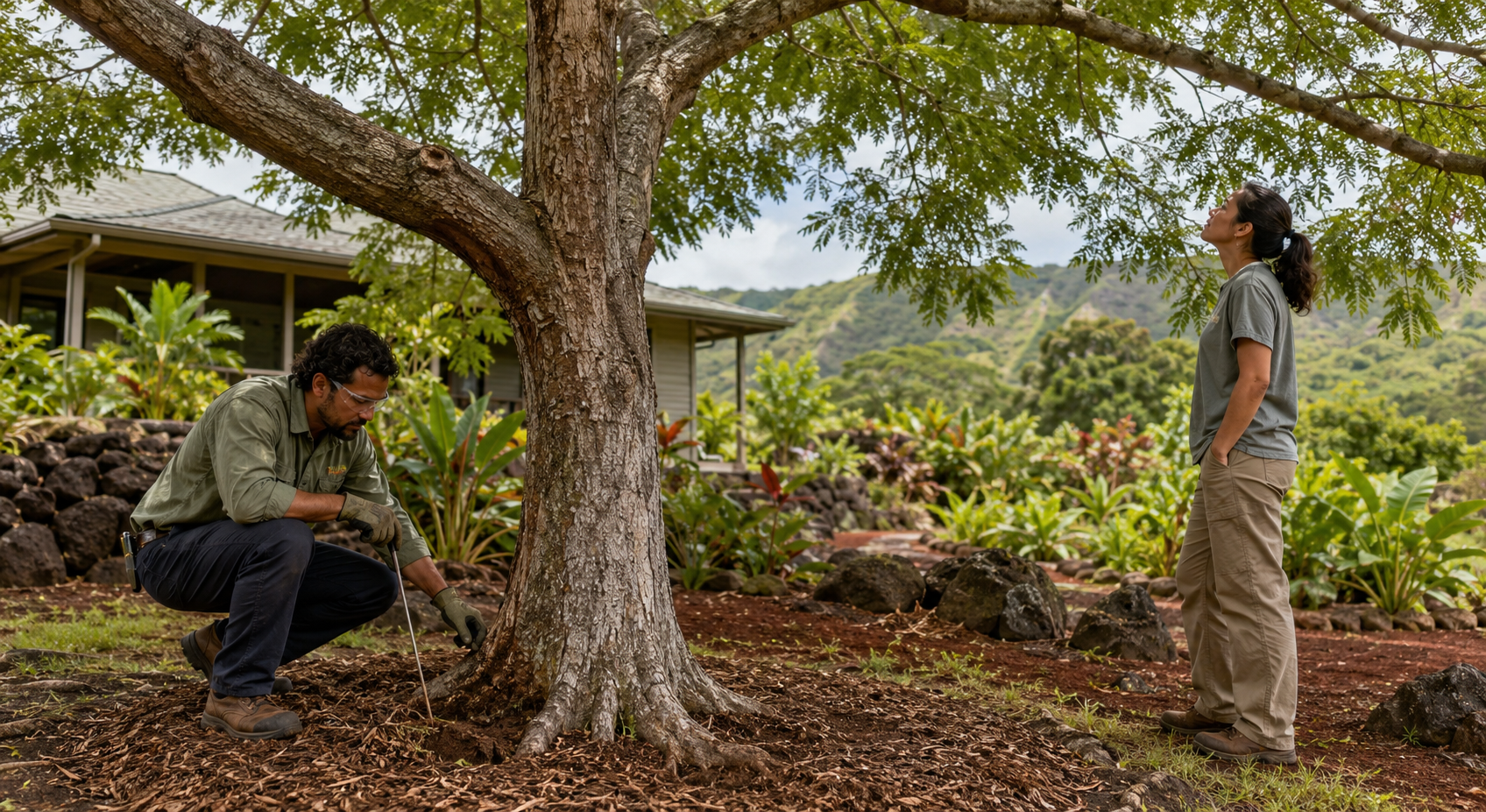
- Scheduled inspections
- Documented trimming intervals
- Clean removal of debris
- Attention to tree health, not just appearance
- Realistic safety planning for the surrounding area
In real-world work across Oahu neighborhoods, consistent maintenance has proven to reduce surprise drops dramatically. Coconut trees do not have to be hazards when they are managed correctly.
Clear Takeaway for Oahu Property Owners
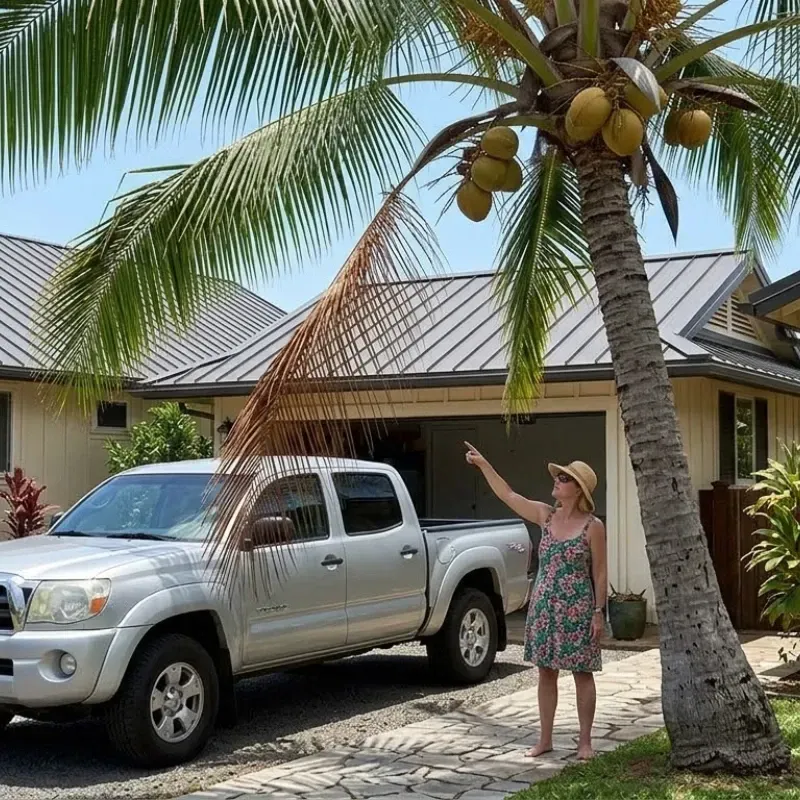
If a coconut palm stands on your property, fruit drop risk exists. That is simply how the tree grows. The deciding factor is whether you manage that risk or ignore it.
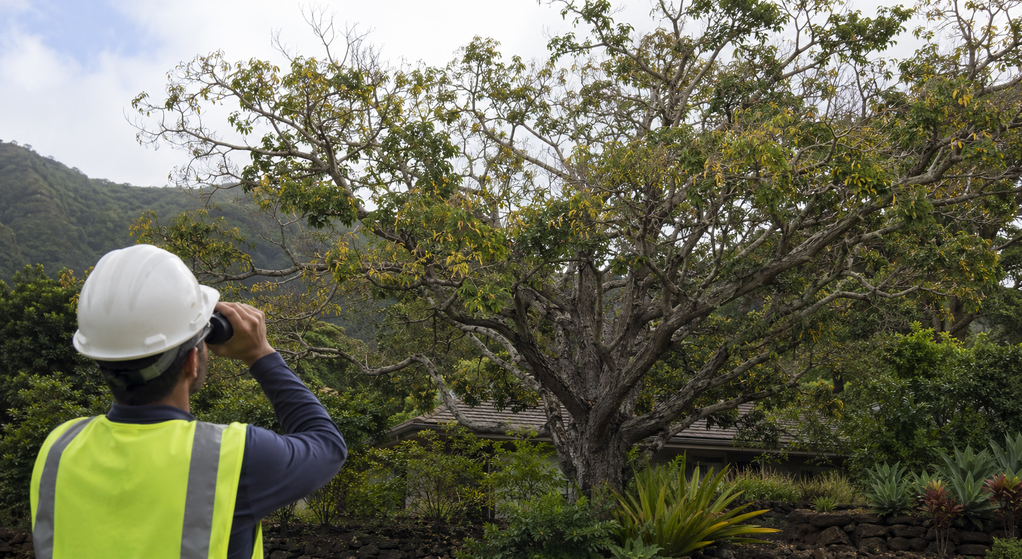
A practical next step is to observe your palms today. Look for visible coconuts, dead fronds, and areas where people walk or park below. If fruit is present, scheduling maintenance soon is a confident, proactive decision.