How To Trim Coconut Tree
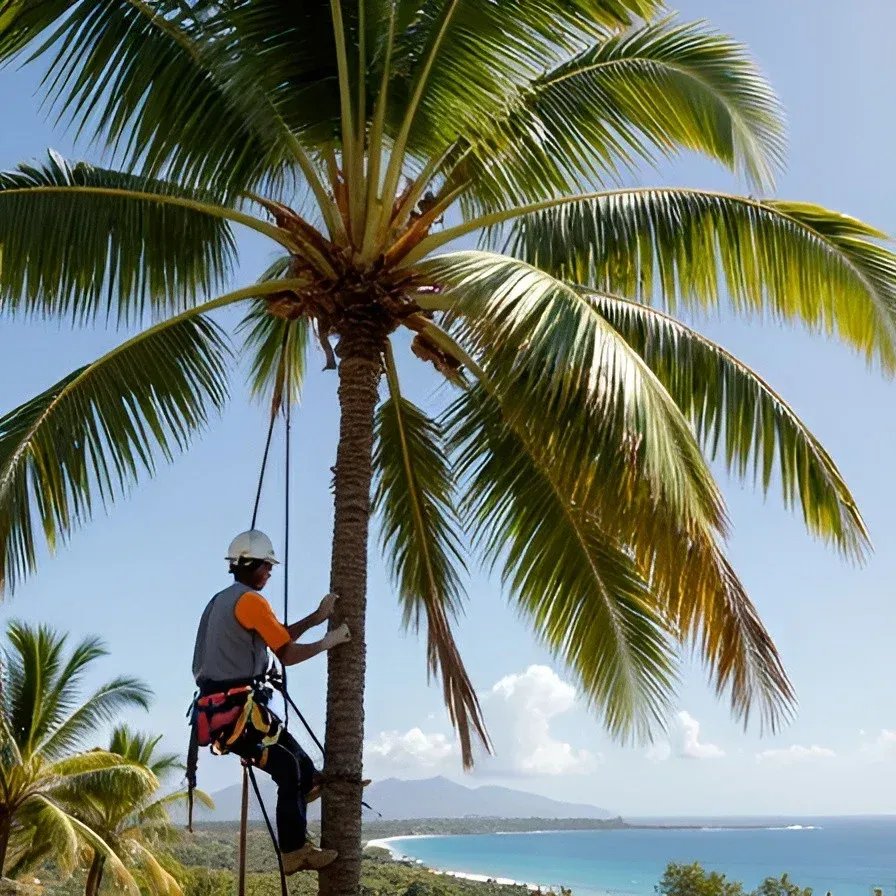
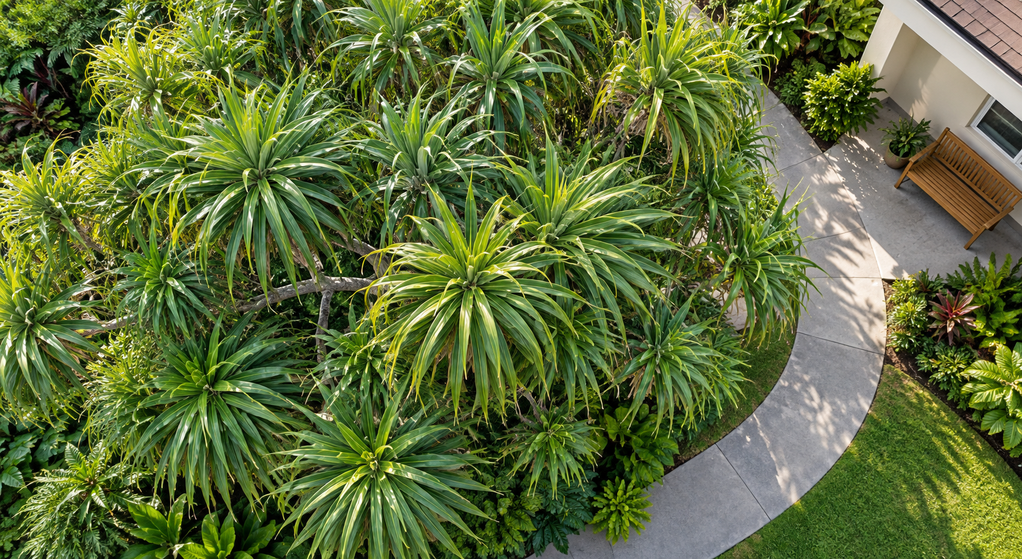
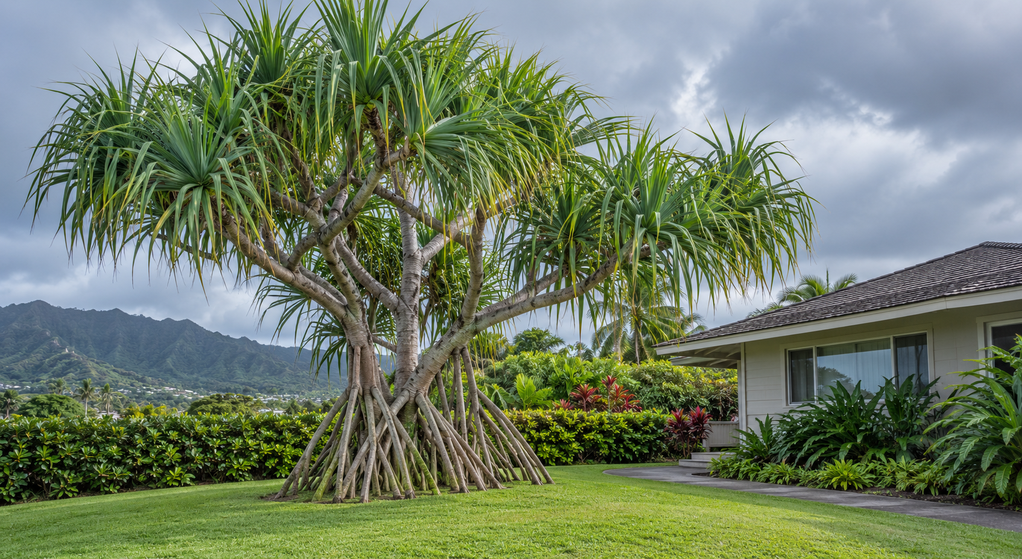
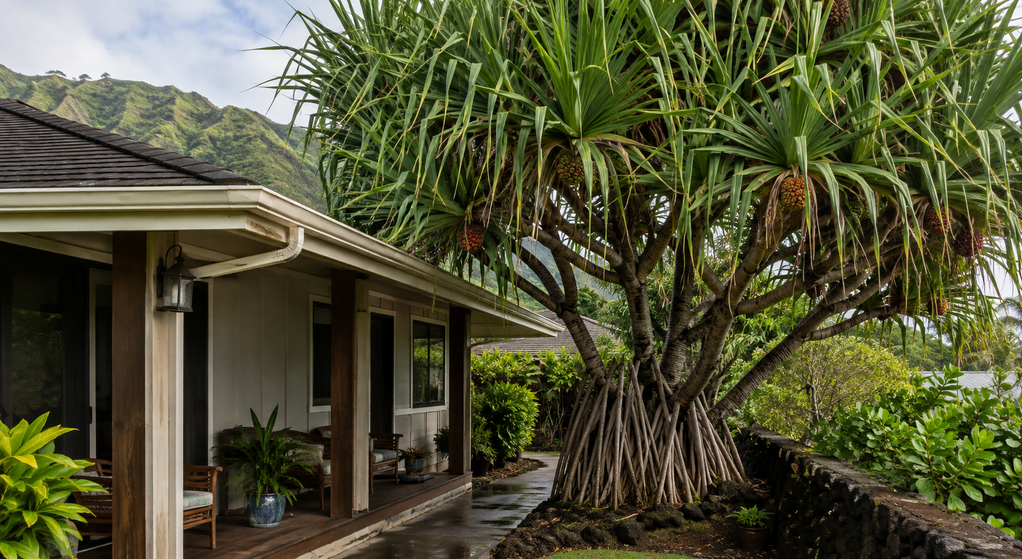
Coconut palm's beautiful, curving stem and plumes of soaring fronds provide a tropical impression in the environment. Aside from being lovely, coconut trees serve a variety of functions!
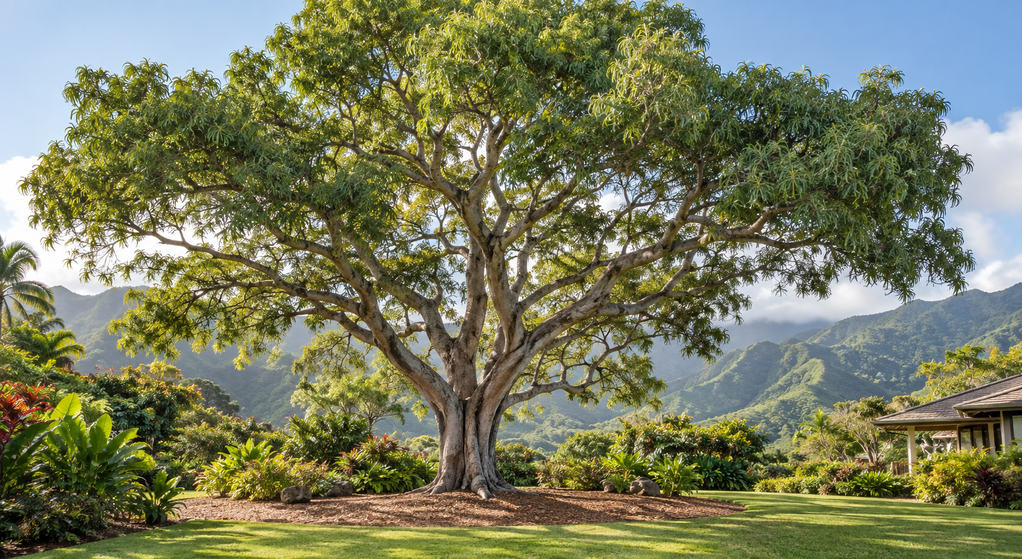
The husks were used for fires, the timber for constructing, the palms for crafting, and the coconuts, of course, for a variety of delectable meals! Growing coconut trees in your yard provide a wholesome snack, shade, and attractiveness.
However, unkempt palms, rotten limbs, and poor root systems can cause property damage. Additionally, stray coconuts can also damage windshields and roofs, as well as injure small kids, and pets.
So,
tree trimming is important once or twice a year to eliminate dead fronds, which results in a cleaner look and better growth.
Process of Coconut Tree Trimming
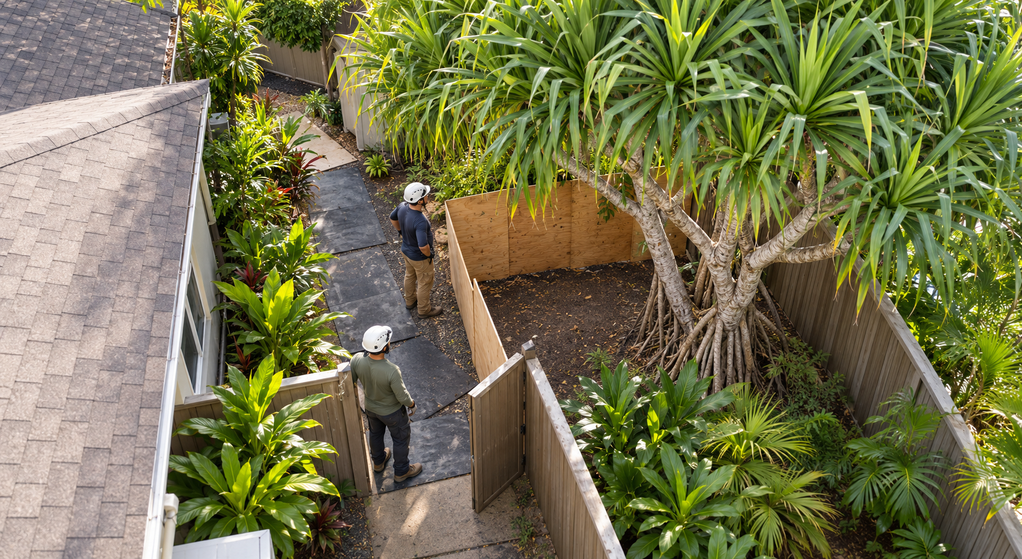
Here are the 5 steps to trimming your coconut tree:
- Wear labor gloves to secure your hands while dealing with the fronds of the coconut tree. Set up a ladder adjacent to the tree, on stable ground, and within simple reach of the fronds.
- Climb the ladder. Choose a withered frond that is brown, brittle, and dangling down. Grasp the dead frond's distal end in one hand and use a pruning saw to cut through the center of its main stem. Throw the frond tip that has been severed to the ground.
- With one hand, grab the cut end of the frond and pull it up to a horizontal angle. Cut 1/4 inch away from the palm's trunk through the base of the frond's stem. Repeat this procedure until all dead fronds have been removed from the tree.
- Trim any fronds that are damaged, torn, or sick. With a pruning saw, trim the fronds off at their roots, 1/4 inch away from the trunk.
- Prune all weak, yellow fronds that are leaning down at less than a 90-degree angle to the trunk. Trim fronds that have below 50% green growth.
Useful Tips for Trimming a Coconut Tree
Prune the Fronds Frequently
Based on the health of the tree and how often you want dead fronds trimmed, routine pruning might range from tri-annual to biweekly.
According to
SFGATE, around 25% of the leaves on young trees should be trimmed away every growing cycle.
Pruning too close to the trunk of the palm is not recommended. Some trees have extremely tough bark, but coconut trees have gentler bark. Damaged bark creates weak areas in the tree where insects and diseases can get access.
Be Prudent
Trees that are overly trimmed become weaker and more sensitive to disease and rot. The hue of the fronds that need to be trimmed will become yellow or brown.
Furthermore, if coconut trees are not correctly lowered, the coconuts that fall can harm the yard and other stuff in the ground.
Remove Unwanted Coconuts
Coconuts are tasty, and you'll never catch us refusing a freshly cracked coconut on a summer day.
However, we recognize that there are instances when the upkeep is simply not worth it. It is easier and safer to remove coconuts when they are tiny rather than when they have grown to full size.
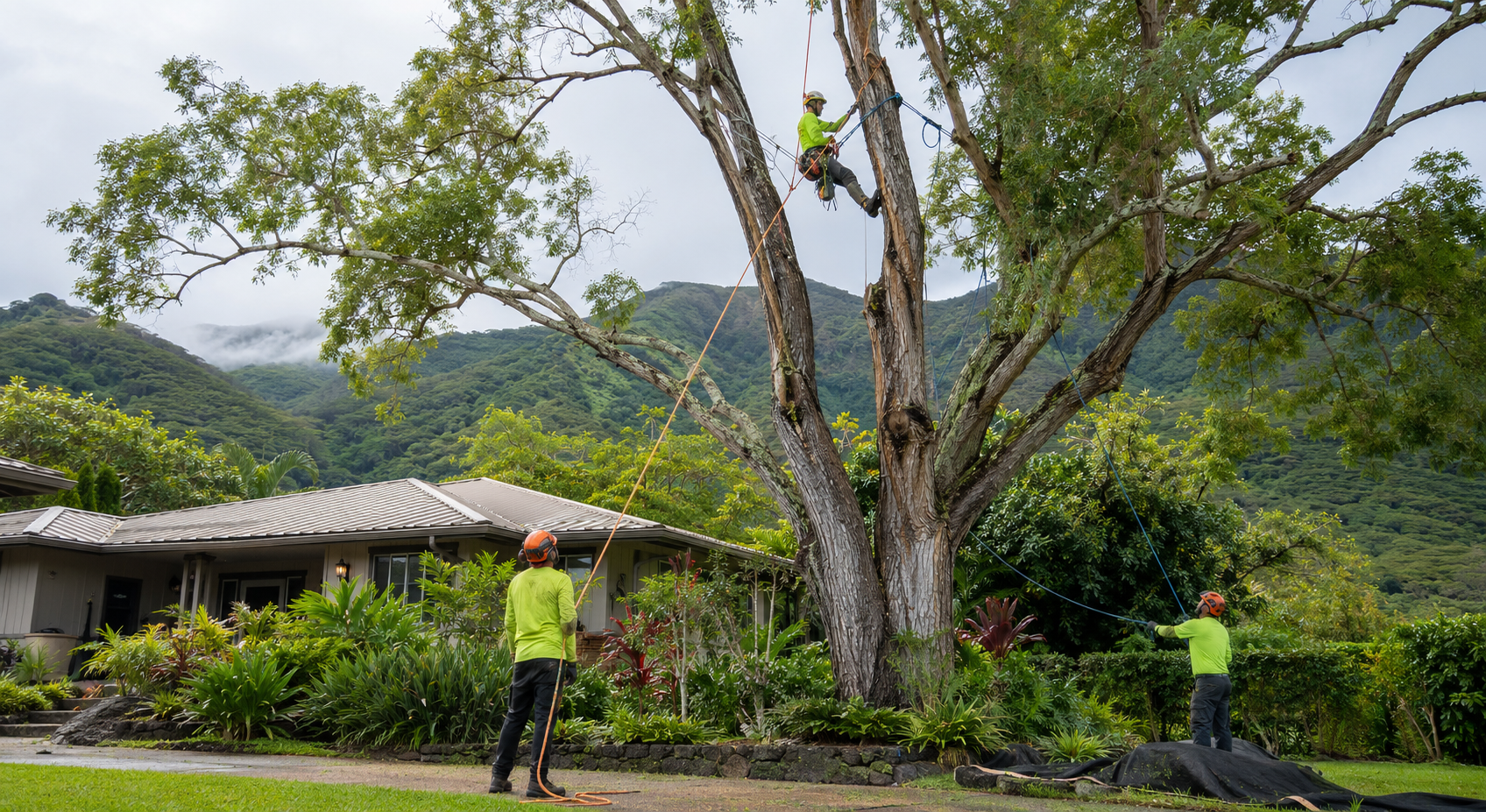
If you have one or more tall coconut trees, it's better to let tree trimming be done by our professionals! We can also climb without using spikes, which reduces tree damage and keeps trees healthy for a longer time.
You Don’t Have To Do It All!
Coconut trees are incredibly strong and grow to be incredibly tall. It’s best not to attempt to trim a coconut tree on your own.
Tree harvesting and complete removal are two different solutions for trimming, and we know how tempting it is! But trimming down or cutting trees on your own can cause tragic house damage, as well as injury or death.
If you want your coconut tree trimmed,
give us a call, and see our qualified arborists complete your task safely and efficiently!