Preserving Beauty: Oahu Tree Trimming and Removal Experts' Guide to Healthier Trees
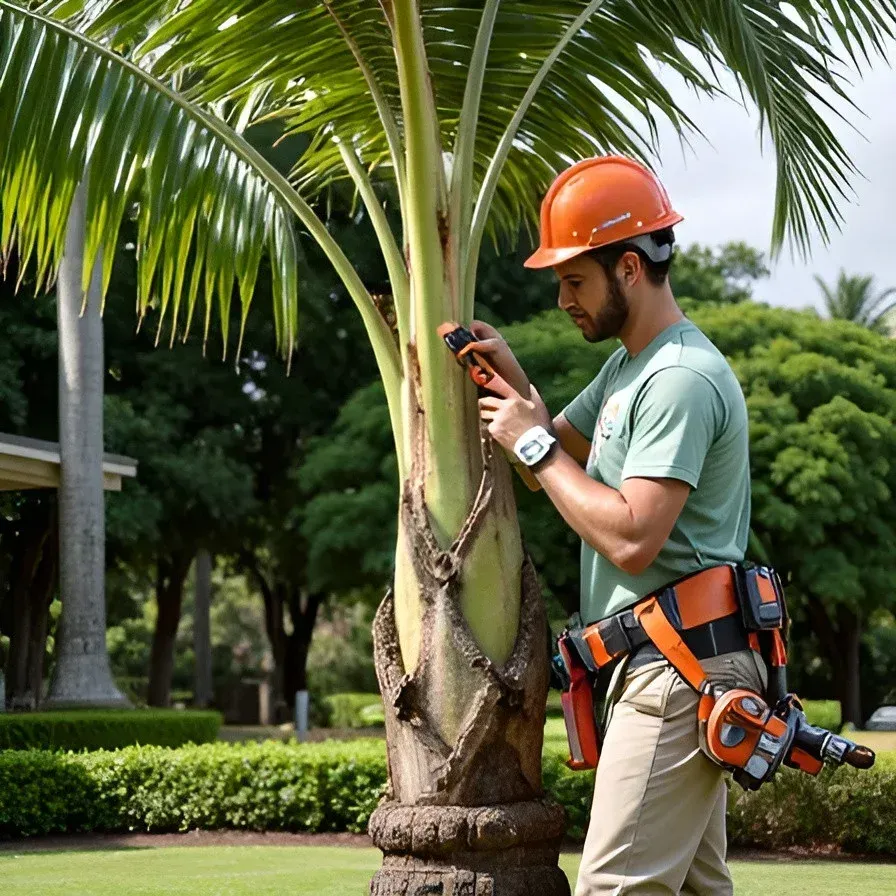
Trees are a beautiful and natural addition that can add not only an aesthetic appeal to your property but also provide shade, improve air quality and are a big contributor to the overall health of the environment. But as a homeowner, having trees in your land means that you are just as much responsible for making sure they grow and stay happy as you are when you chose to keep them.
Taking care of your trees is not a difficult job, but isn’t necessarily just a walk in the park either, caring for them requires constant attention and regular inspection to make sure they are still in tip-top shape or in case they are in need of some professional care.
Here is a guide that can give you ideas on how to boost the general health of your trees :
Proper Planting
Choosing the right tree for your property can be exciting when designing your landscape, but choosing the right specimen is essential for a harmonious group to thrive together as well as giving you a better insight to its compatibility with your property condition and as to what type of care is needed for what type of tree.
This involves the size of the area, plant spacing, soil type, climate and the availability of water in your vicinity. So choosing the
right tree type, or being knowledgeable of an existing tree type is crucial in taking the right steps to its health care.
Watering
Almost every living thing on earth needs water to survive, trees being one of them. Depending on the tree type and age bracket, rain may not simply be enough to keep them growing and healthy.
For new and younger trees, regular watering is needed to help them establish their roots, mature trees on the other hand not so often unless the drier weather rolls around wherein both would need constant wetting to make sure the roots don’t dry up and break.
Fertilization
When the soil doesn’t have the nutrients to promote the growth of your trees and other landscaping plants, using fertilizers can do the job. They treat nutrient deficiency in soil, encourage the development of younger trees while maintaining the growth of maturing trees especially when they have little to no recyclable minerals after a prune or trim.
However, note that fertilizers are not to be used routinely unless necessary because not all landscape plants need fertilizing. Unless the soil health is at a down low, mature trees and shrubs can do with little or without.
Pruning
Not to be mistaken with trimming since some professional cutters tend to use them interchangeably. While trimming leans more into shaping and forming foliage for aesthetic purposes, pruning on the other hand focuses on the removal of dead and dying branches with its overall health in mind.
Here are at least 3 health benefits of this procedure.
- Structure - Pruning improves the overall structure of the tree. When this method is specifically done while it’s young, it aids in forming the framework that will healthily guide the plant to grow in a desired form or direction that will not need as much corrective pruning in the future.
- Stops the spread of blight - when a situation arises where a tree either gets infected by disease or is infested with pests, treatment would often come off as more expensive than taking the necessary preventive measures. Pruning or cutting off the infected segments prevents the spread of disease and decay to the other parts of the tree, ensuring that the main body stays unaffected and continues growing.
- Promotes Tree Health - Just like supple and clear skin, a healthy tree would have that vibrant and fresh look about it as well. Clearing dead and dry branches is a sure way of promoting tree health and that is because the tree would no longer waste energy in trying to heal those segments but instead focus it all on new and fresh growth.
Professional HealthCare
Whether it is to ask for advice on planting, watering, fertilization, and pruning, seeking help from professionals to guide you through the process is an investment that can greatly influence the overall health of your tree in the long run.
Hiring a certified or
experienced arborist who can expertly properly diagnose the welfare of your tree and recommend appropriate treatments and precautions based on possible health issues that can happen will not only save you money but will also very much save your tree.
Our team of qualified professionals at Oahu Tree Trimming and Removal Experts treats all trees in Oahu. With years of experience in overall tree health and service, we pride ourselves in our efficiency in both caring and grooming your tree to be the best it can be.
Contact Us
now!