Can Tree Trimming Bring More Daylight Into Your Home Without Removing the Tree?
Safety Insight
Selective tree trimming can brighten a room when a few branches block the sky or intercept sunlight at the hours you use it. Check the view from the window, identify which shade you want to keep, and ask an arborist whether a limited cut can make a worthwhile difference.
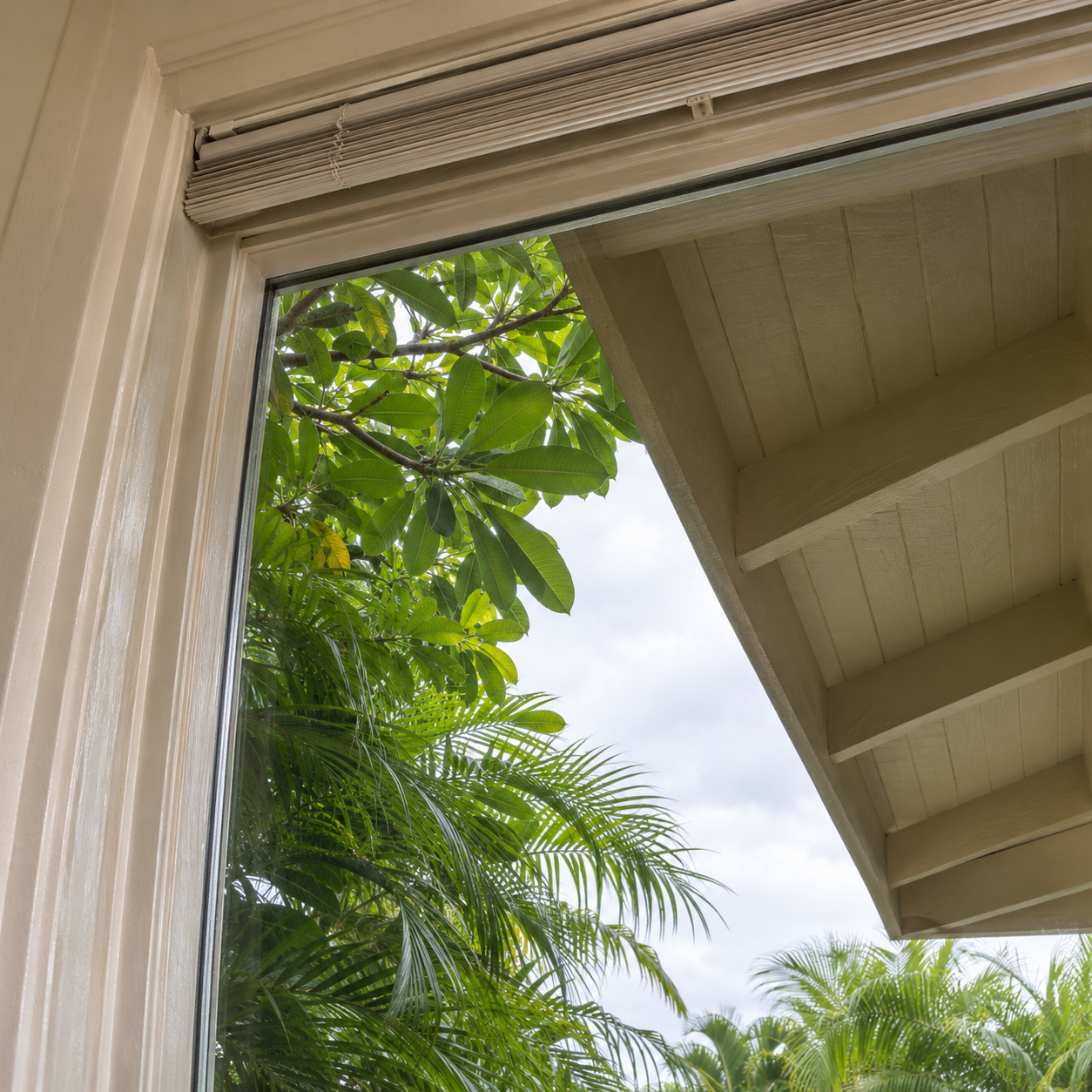
A living room can feel dim all morning even when the yard outside is bright. If a low branch fills the upper half of the window, trimming may open a useful view of the sky. If the same window sits deep beneath a lanai roof, removing that branch may barely change the room. The difference is worth checking before you pay for pruning.
When comparing tree trimming services in Hawaii, describe the room, the window, and the hours you want it brighter. “More light at the dining table before noon” gives the person assessing the tree a specific goal and gives you a way to judge the result.
Oahu Tree Trimming and Removal Services offers tree trimming in Honolulu. Include the indoor window view and a wider yard photo with the estimate request.
Review these professional pruning techniques before discussing individual cuts. These signs that a tree needs professional assessment help identify branch or tree condition concerns that should be assessed alongside the daylight request.
Look for the part of the sky your window is missing
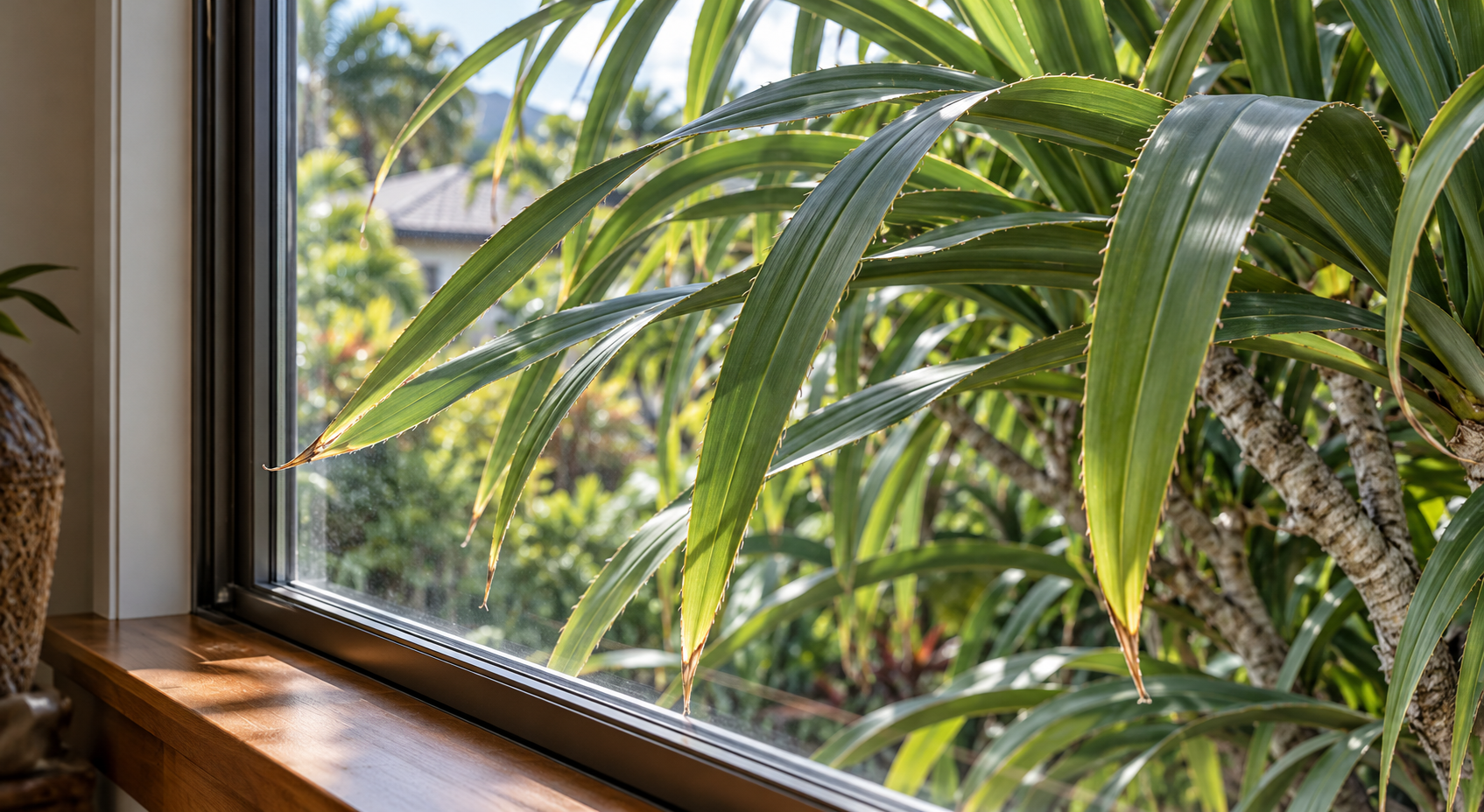
Start in the room at the time you usually switch on a light. With the blinds open, take a photo from where you sit or work. Then stand by the window and look outward and up. Note what fills the upper part of the view. It could be a branch close to the glass, the far edge of the crown, or a roof overhang. Repeat the check later in the day to see whether the main obstruction changes.
Check the window once under bright overcast skies if you can. A room can gain softer daylight from a larger view of the sky even when direct sun never reaches the glass. On a clear day, watch where the direct sun falls. A bright patch across a screen or countertop can create glare where you wanted even light.
Look for the part of the sky your window is missing
Start in the room at the time you usually switch on a light. With the blinds open, take a photo from where you sit or work. Then stand by the window and look outward and up. Note what fills the upper part of the view. It could be a branch close to the glass, the far edge of the crown, or a roof overhang. Repeat the check later in the day to see whether the main obstruction changes.
Check the window once under bright overcast skies if you can. A room can gain softer daylight from a larger view of the sky even when direct sun never reaches the glass. On a clear day, watch where the direct sun falls. A bright patch across a screen or countertop can create glare where you wanted even light.
Bring indoor and yard photos to the assessment. A foliage cluster that looks like one obstruction from a chair may belong to several limbs at different distances.
Ask which cuts would change the view from inside
If a lower limb crosses a narrow band of visible sky, the arborist may be able to shorten a branch growing from it. In other cases, lifting a small part of the lower canopy or selectively reducing foliage near the outer edge may let in more light. The useful cut depends on where the branch sits relative to the glass and what the tree can tolerate. A cut on the opposite side of the crown could remove substantial foliage and leave the window just as dark.
The International Society of Arboriculture’s guide to pruning mature trees describes selective peripheral foliage reduction and shortening to suitable side branches. Ask which specific cuts could change the window’s view while retaining the foliage the tree needs.
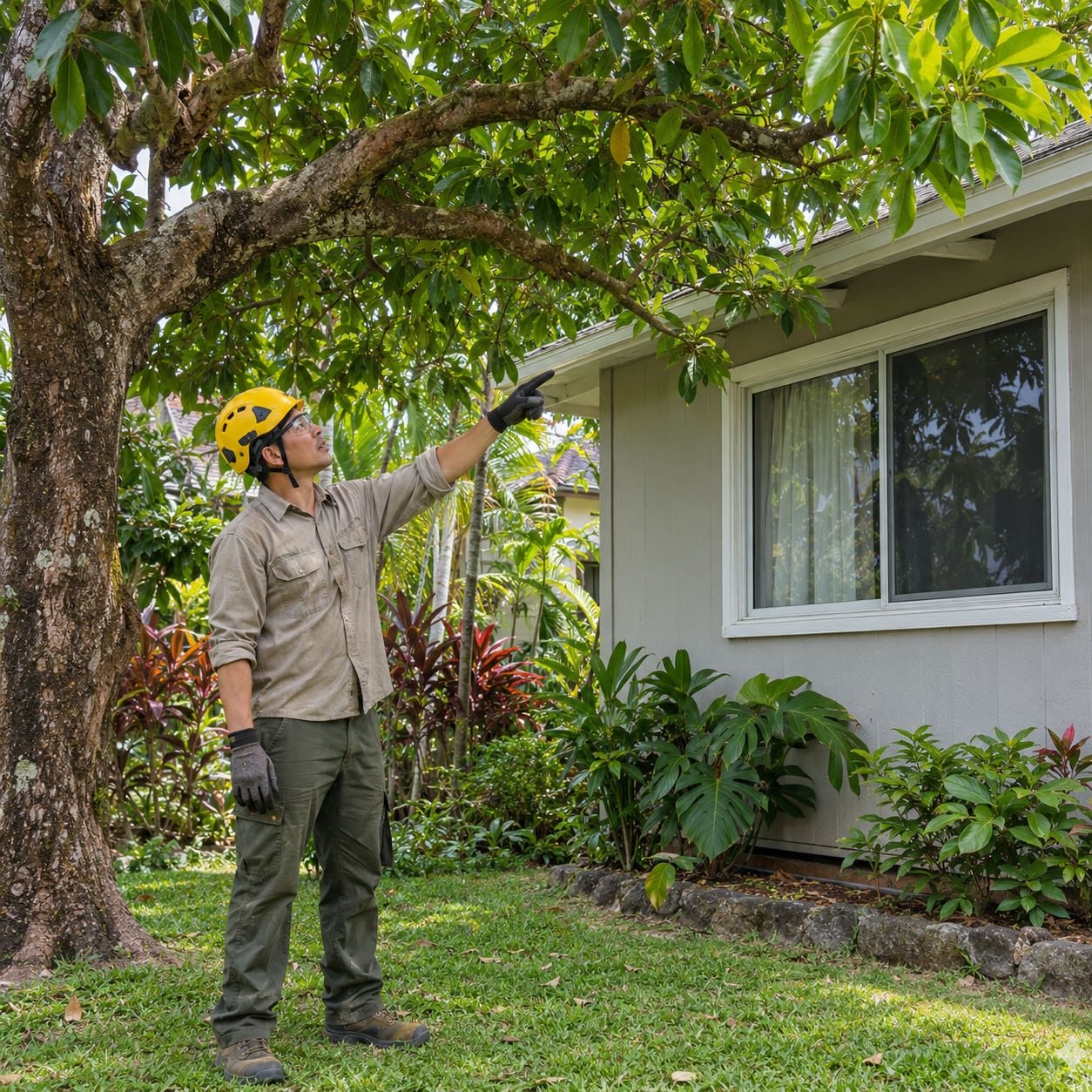
Ask the arborist to point out the proposed branches from the ground and explain how each cut relates to the window. If reaching the opening would require large cuts on a mature tree, ask how the tree’s condition and branch structure affect the scope. A limited adjustment may be the most the tree can reasonably accommodate.
Decide where afternoon shade still earns its place
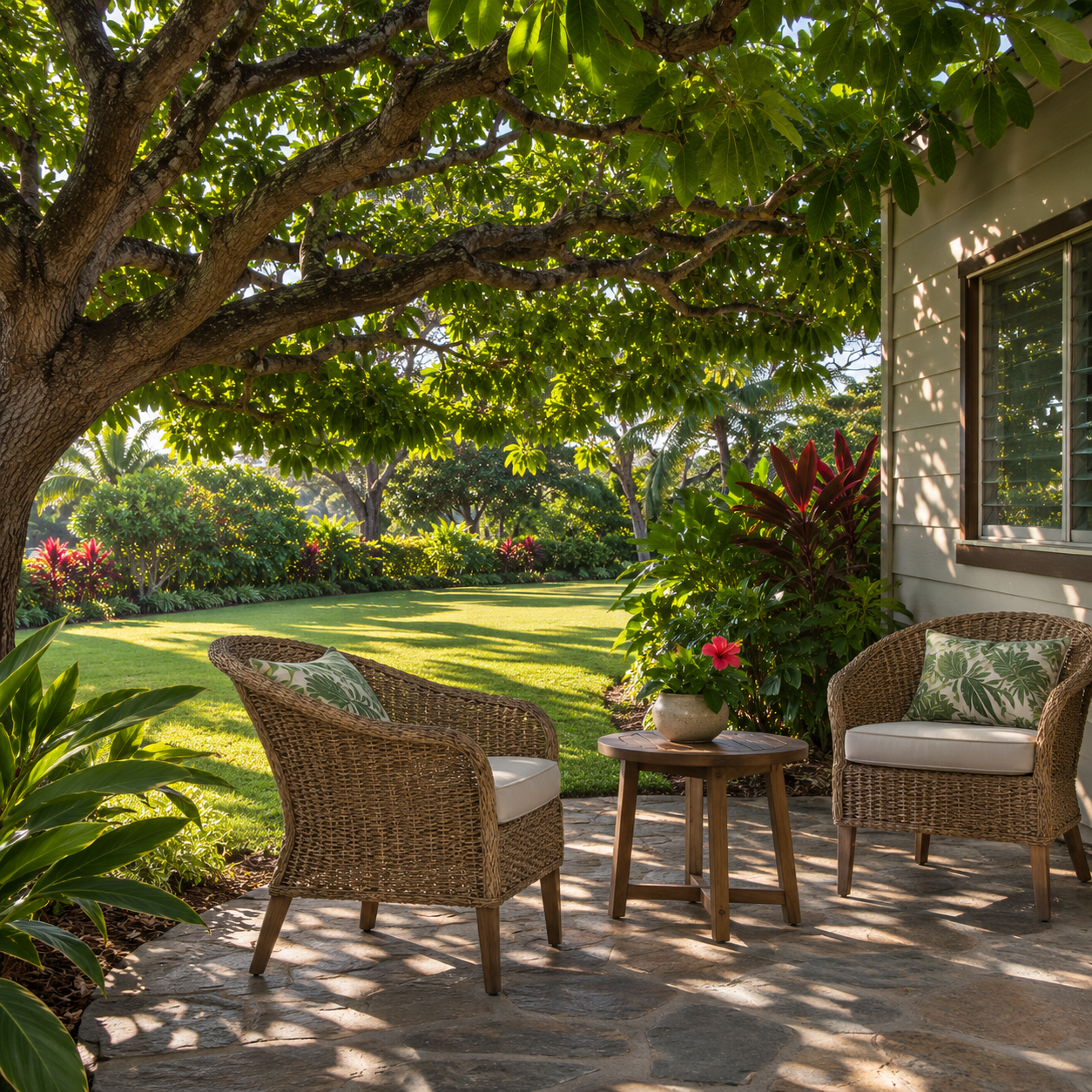
At a Honolulu home, the canopy that darkens a room can also shade a lanai or keep direct afternoon sun off west-facing glass. If you use the lanai after work, take a photo then and show the arborist which shaded area you want to keep. The morning and afternoon photos may point to different parts of the crown. Where the same branches serve both purposes, decide whether the extra daylight is worth the loss of shade.
If the branch responsible is only one of several obstacles, estimate what will still block the sky after pruning. A neighboring wall or deep overhang can cap the improvement. For a room that stays dark under a covered lanai, a change to window coverings or interior lighting may give you a more predictable result.
Start with a small scope and check it from the same spot
Ask for a scope naming the target window and canopy area. Have the arborist explain when to prune for the species and condition, what regrowth could do to the opening and when reassessment would make sense.
Before approving cuts, check ownership and whether the tree is designated under Honolulu’s exceptional-tree regulations. Designated trees have additional approval requirements, including for branch removal.
Compare photos from the same indoor spot under similar weather, time and blind position. Check the desired daylight and the outdoor shade you wanted to keep. If the result falls short, review what still blocks the sky before considering more cuts.

Written By:
Kurt Manalastas
Environmental Property Care Content Writer
Kurt produces research-driven content centered on tree care, landscaping, and environmental property management. Drawing from arborist-informed practices, site-specific conditions, and practical homeowner concerns, he provides clear, actionable guidance to help readers maintain safer, healthier, and more sustainable outdoor environments.