Removing One Tree From a Crowded Group: How to Choose Which Tree Goes
Summary
Choosing one tree to remove starts with deciding which trees can remain healthy, stable, and useful afterward. Compare condition, crown development, mature size, and the consequences of opening the group. The easiest tree to cut or the smallest tree in the cluster is not automatically the best choice.
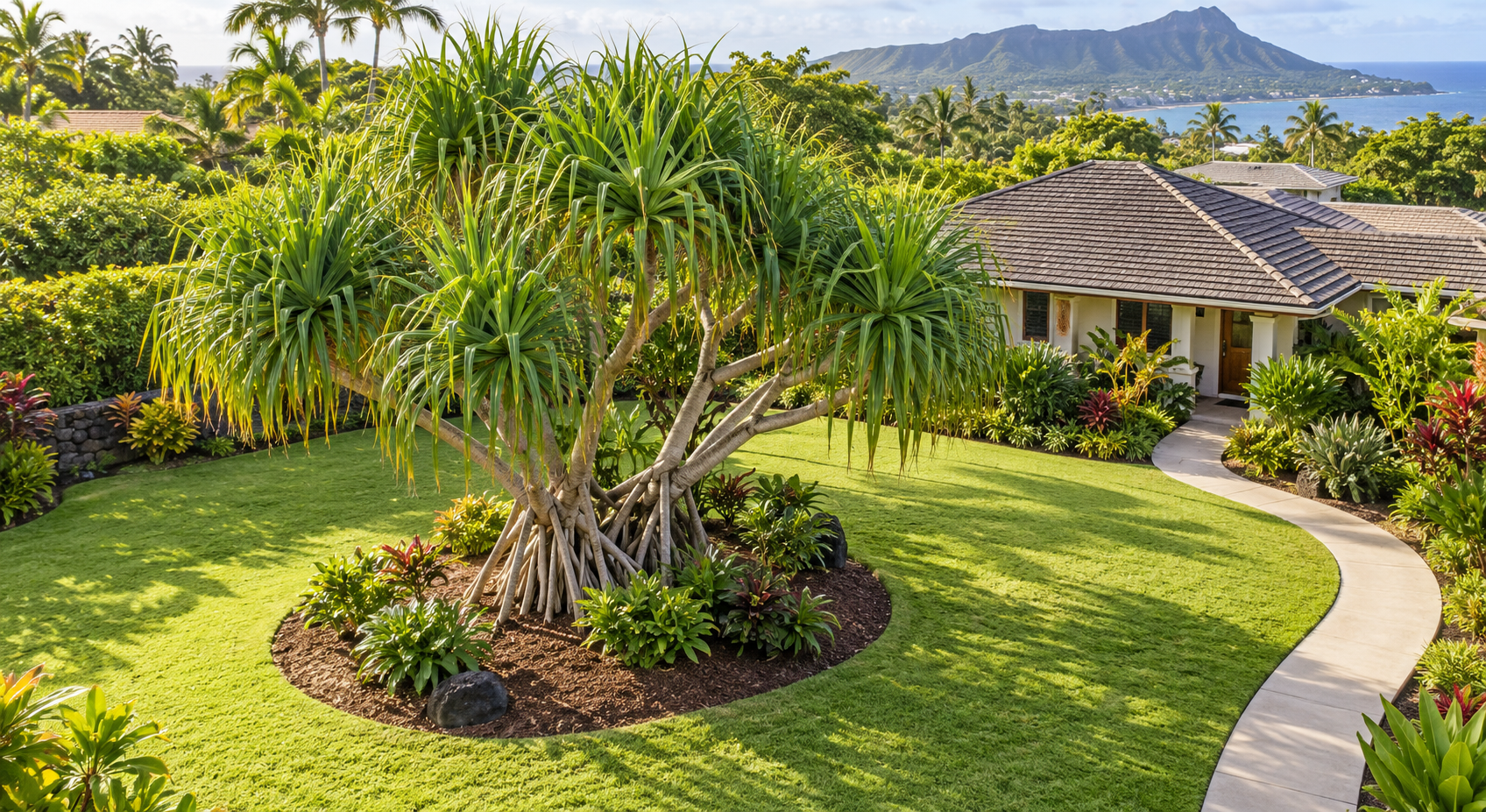
Three trees may share one patch of yard yet serve different purposes: afternoon shade, privacy from an upstairs window, and screening along a boundary. Removing one changes the whole arrangement. Before marking a trunk, identify the specific problem you want to solve and what you want to preserve.
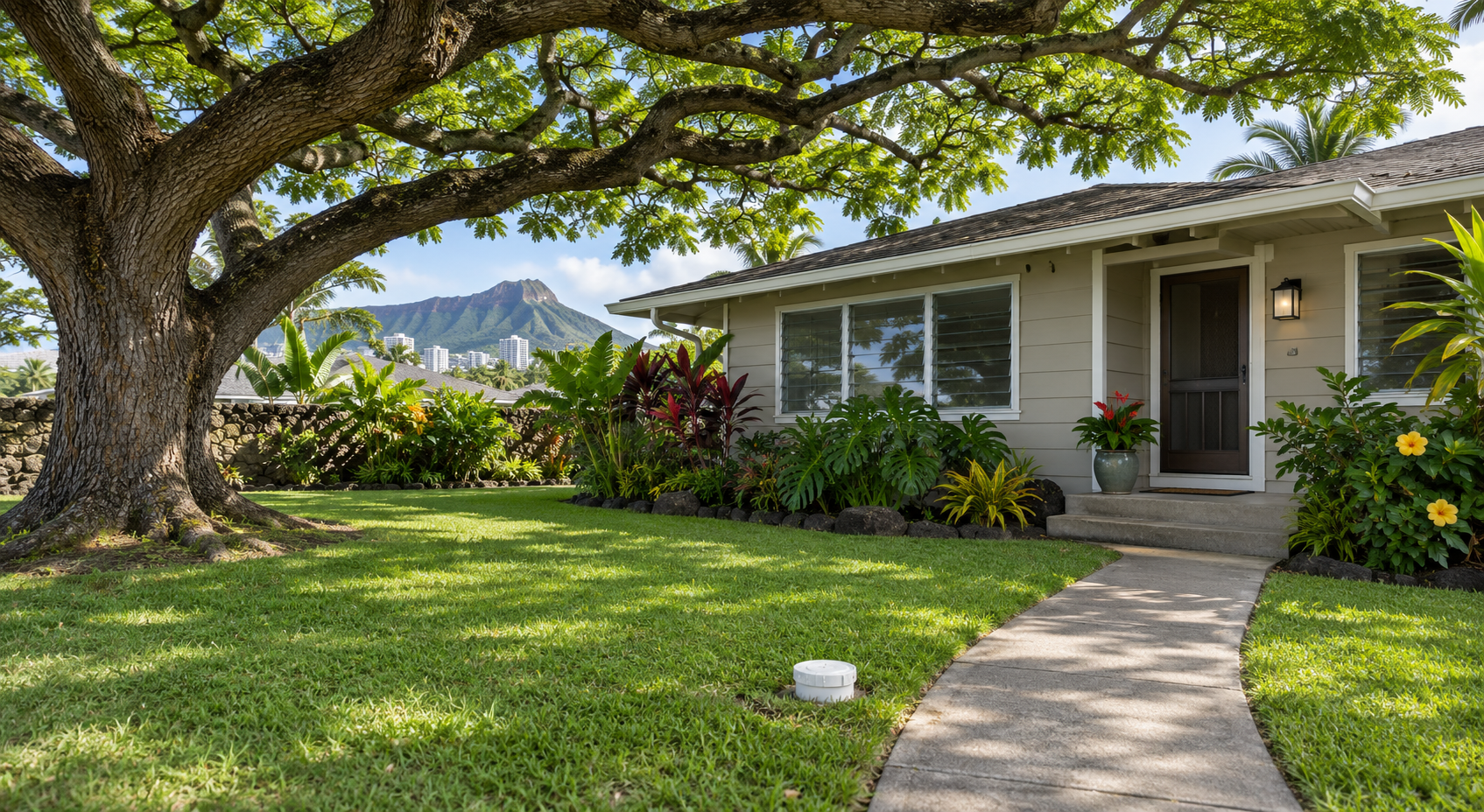
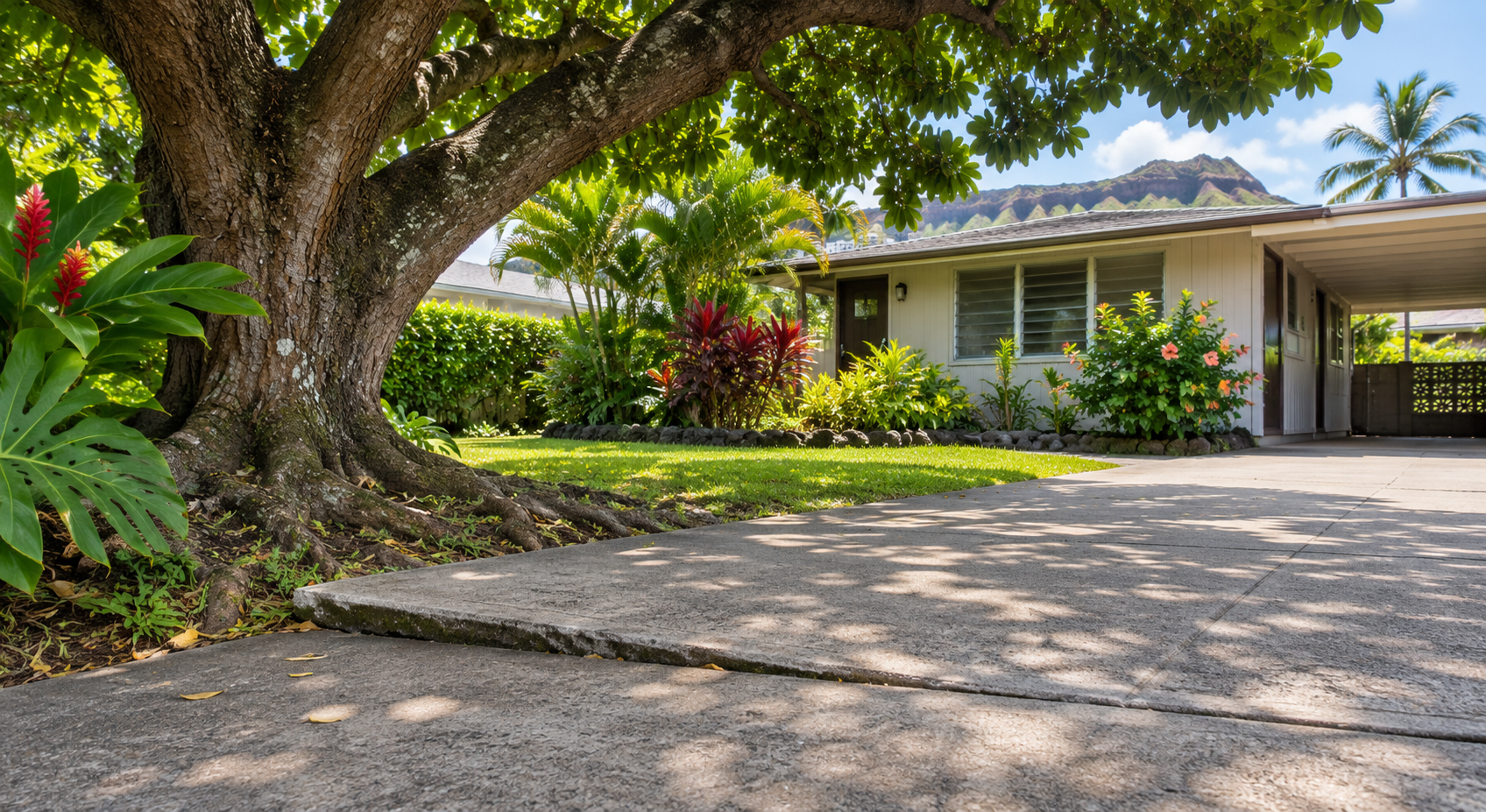
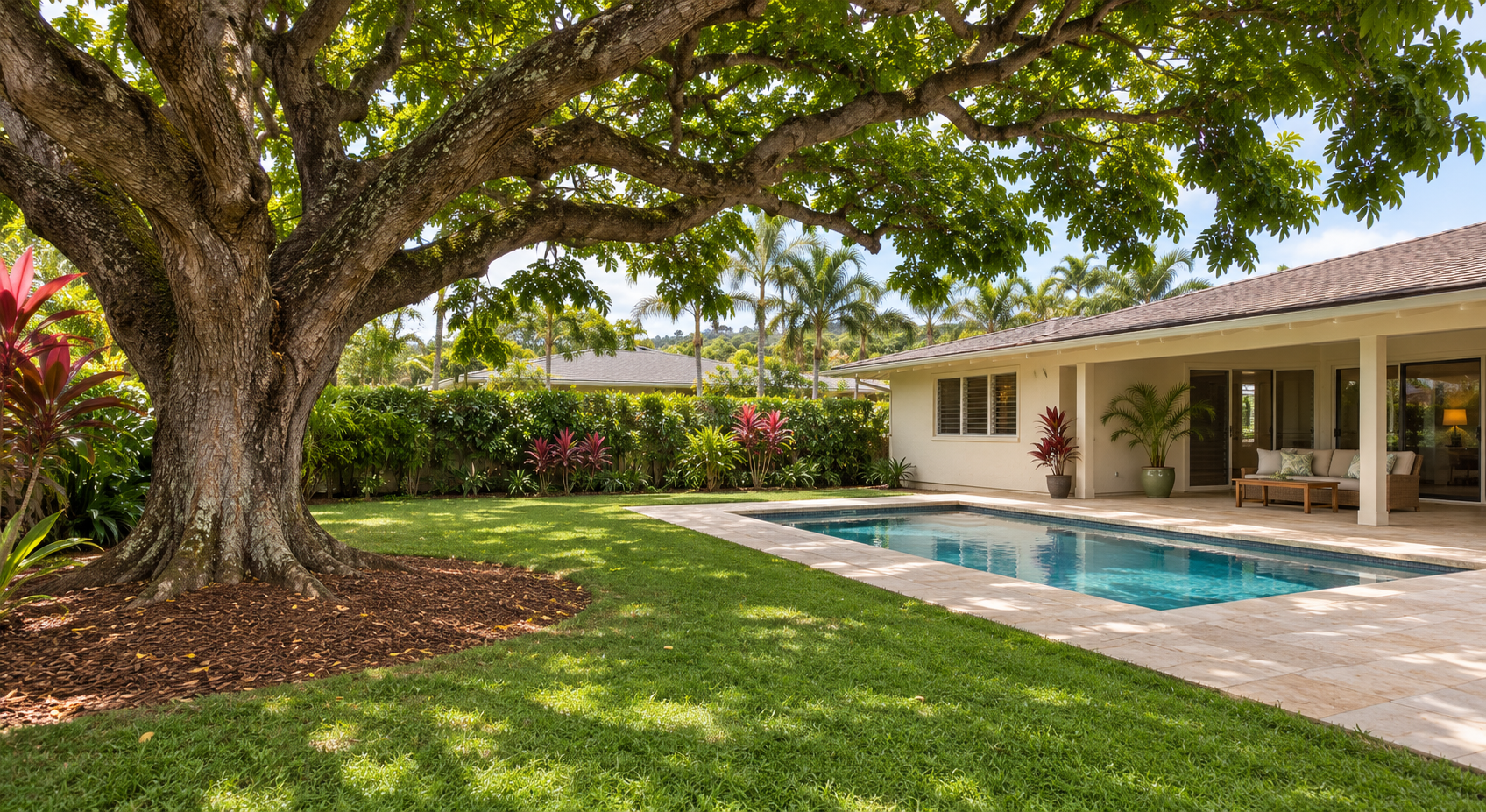
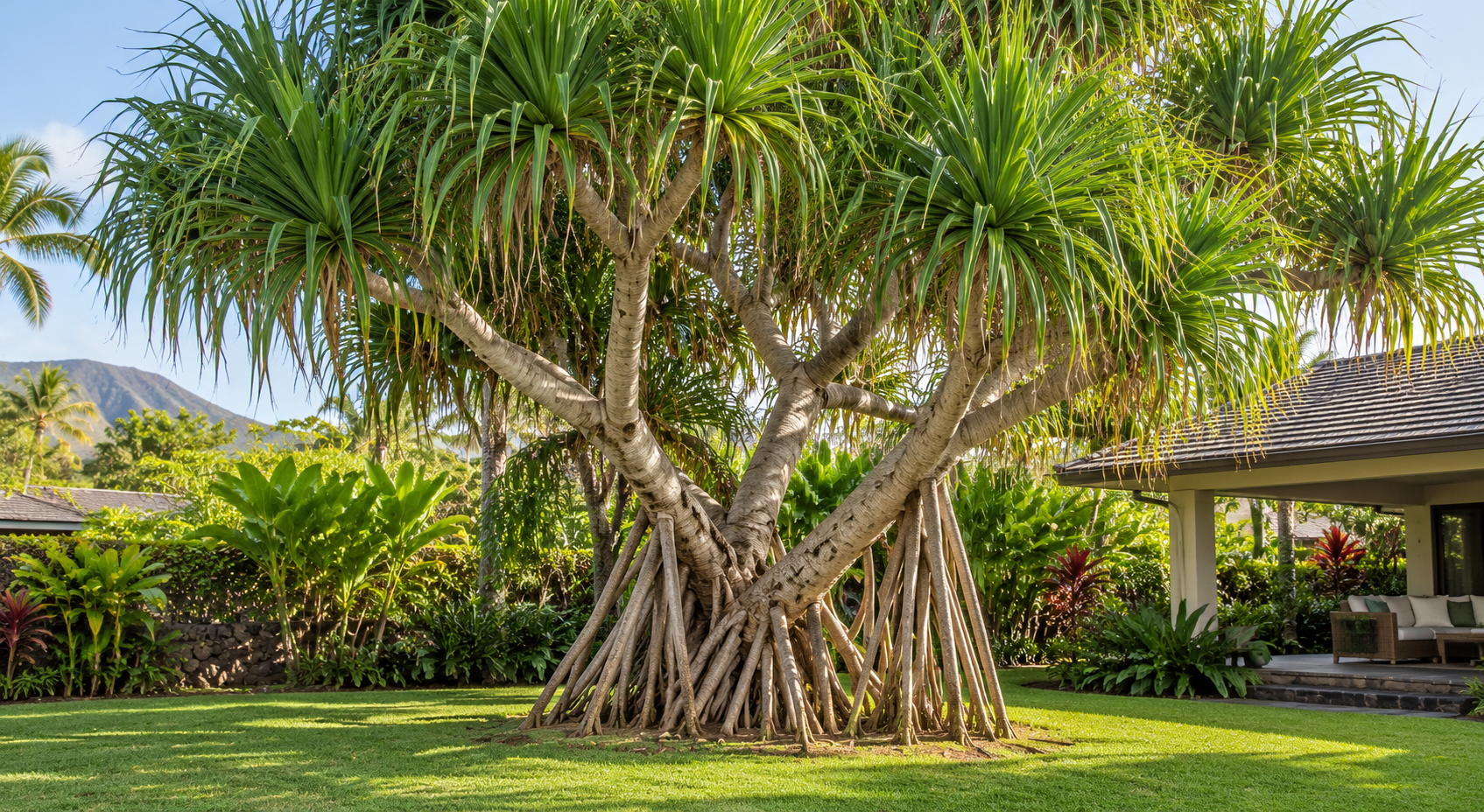
When requesting tree removal services in Honolulu, Hawaii, show the whole group in the photographs so the proposed work can account for trees that will stay.
Overlapping foliage alone does not establish that a tree needs removal. The more useful question is whether the group can continue growing without unacceptable conflicts, and which removal would improve that outlook.
Choose the Trees You Want to Keep First
Start by labeling the trees A, B, and C on photographs or a simple sketch. Record each tree’s species, approximate size, location, and main benefit. Include nearby roofs, walkways, walls, and overhead lines so the comparison reflects the actual property.
Then picture the yard with each candidate missing. Removing A might preserve two useful shade trees. Removing B might leave a large opening directly facing a neighbor. Removing C might create space without solving the branch conflict over the roof.
When discussing a proposal with Oahu Tree Trimming and Removal Services, identify both the removal candidate and the trees intended to stay. That distinction makes the desired result clearer than simply asking to “thin out this corner.”
Keep sentimental value in the discussion, but separate it from condition. A favorite tree still needs a realistic assessment of its remaining structure and available growing space.
Use these signs a tree needs professional assessment to prepare questions for an arborist. The guide to planning high-risk tree removal in Oahu explains the access and protection issues to discuss once you identify a candidate.
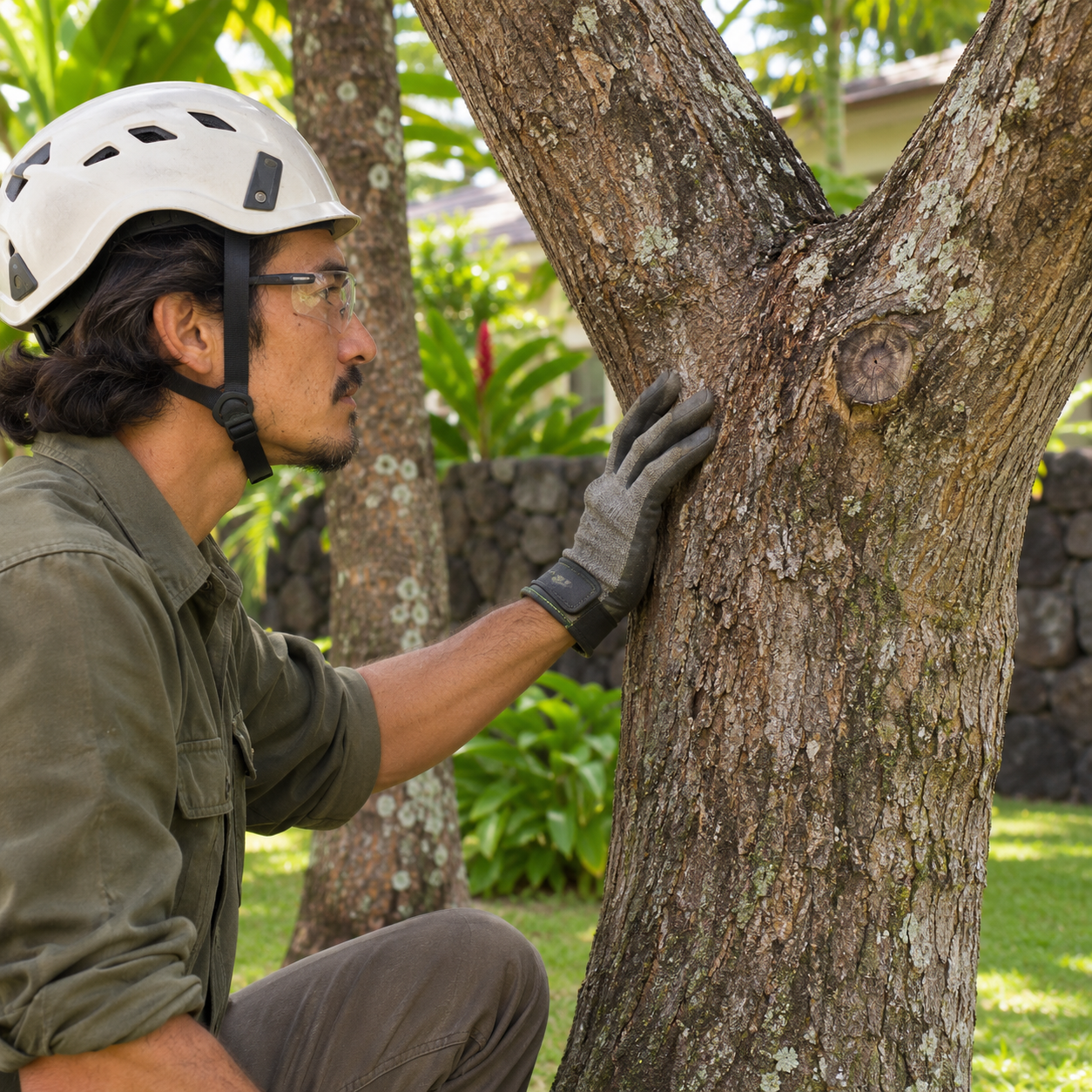
Compare Condition Before Size or Appearance
A smaller tree may be younger, naturally compact, or suppressed beneath its neighbors. Those possibilities lead to different decisions. Likewise, the tallest tree may provide the most useful shade while also occupying the space another tree needs.
Ask an arborist to compare:
- Structural condition: Major cracks, damaged trunk unions, decay, and root disturbance.
- Crown condition: Live foliage distribution, dead branches, and whether growth is concentrated on one side.
- Future fit: Mature dimensions and likely conflicts with the house, utilities, or other retained trees.
- Consequences of failure: What a falling branch or trunk could strike, and how often people use that area.
The International Society of Arboriculture’s tree risk information for property owners explains why tree condition must be considered together with the people and property exposed to possible failure. A crowded appearance is not a risk assessment.
A thin crown or leaning trunk also needs interpretation. More sunlight may help some trees, but removing a neighbor does not guarantee recovery or correct an established structural problem.
Judge Each Candidate by the Gap It Leaves
Stand where the proposed tree grows and look toward the remaining crowns. Which branches will become exposed? Will a previously sheltered tree occupy the new outside edge? Will the opening meaningfully improve growing space, or simply reveal a sparse side of another tree?
Removing a neighbor can change wind and sunlight exposure. The significance depends on species, existing crown form, rooting conditions, and the degree of exposure. On a Honolulu property, assess the actual setting: an open slope, a sheltered courtyard, and a narrow space between buildings warrant different questions.
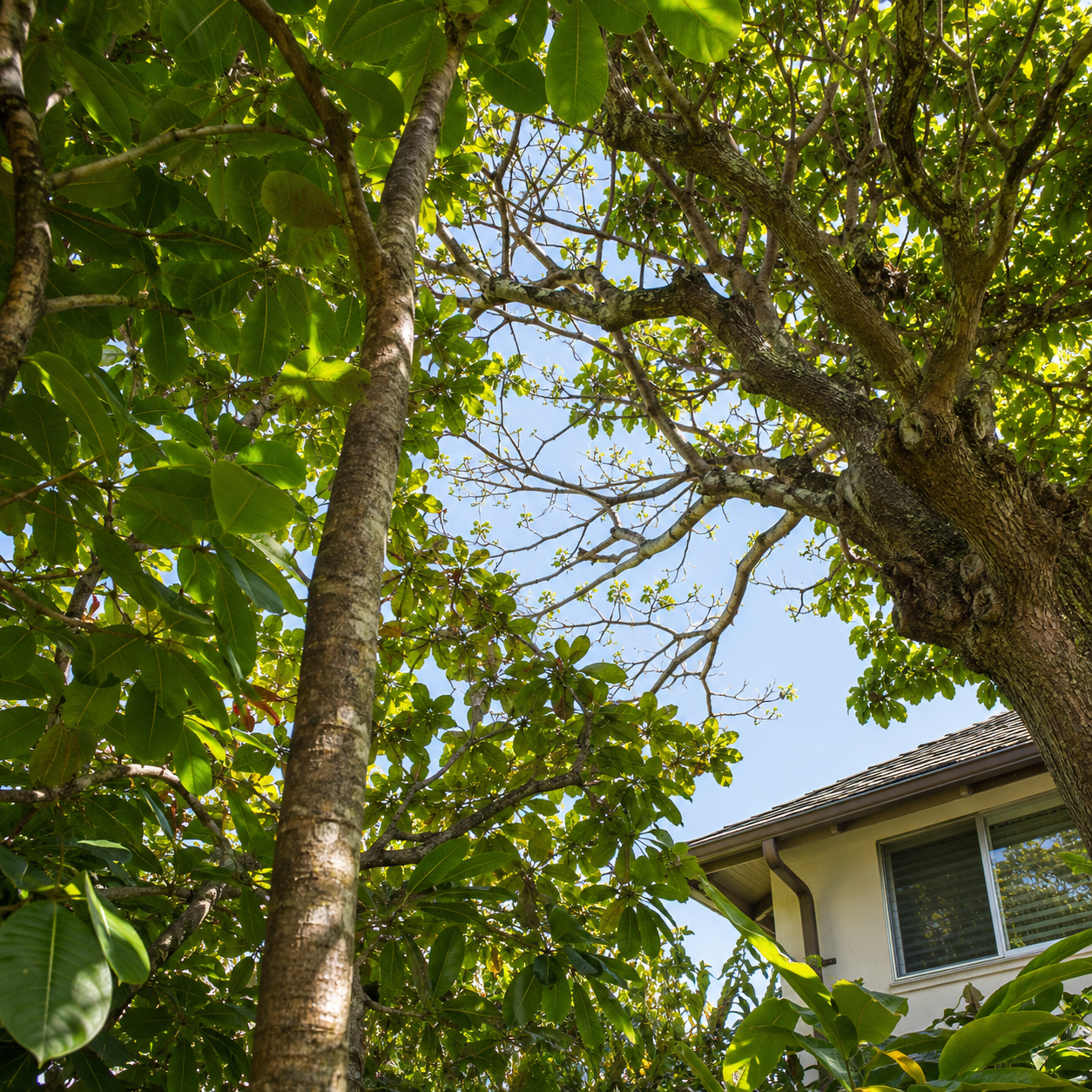
Do not assume that a lopsided crown will quickly become symmetrical. Existing branch structure limits what the tree can look like immediately after removal, and future growth varies.
If two candidates are otherwise comparable, favor the choice that leaves a more viable arrangement with fewer unresolved conflicts. If every option leaves a questionable tree exposed, reconsider the assumption that exactly one removal will solve the problem. Further assessment may support retaining the group, selective pruning, or a different long-term planting plan.
Make Sure the Removal Will Not Undermine the Keepers
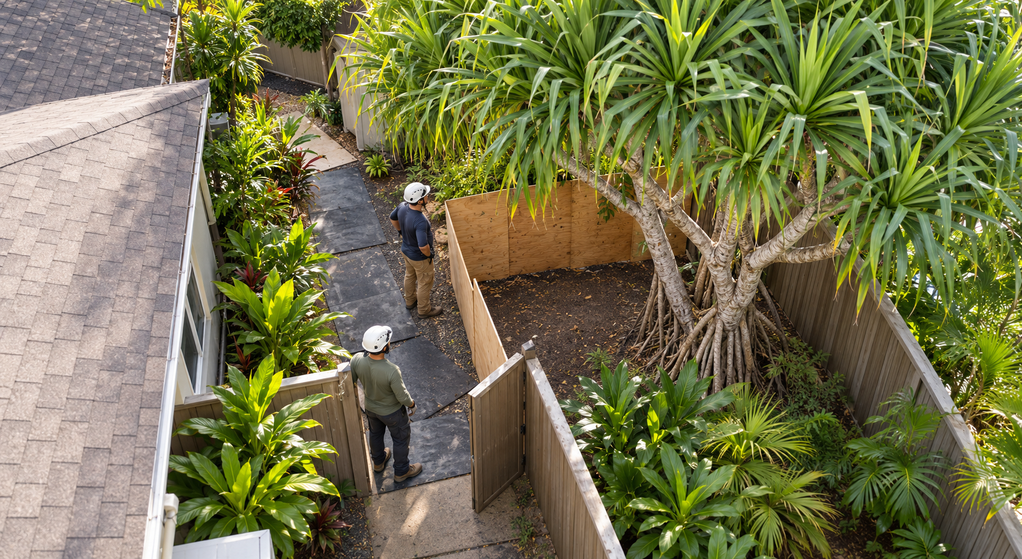
The best biological choice still needs a workable removal plan. Interwoven crowns, narrow access, and closely spaced trunks can make it difficult to extract one tree without damaging others.
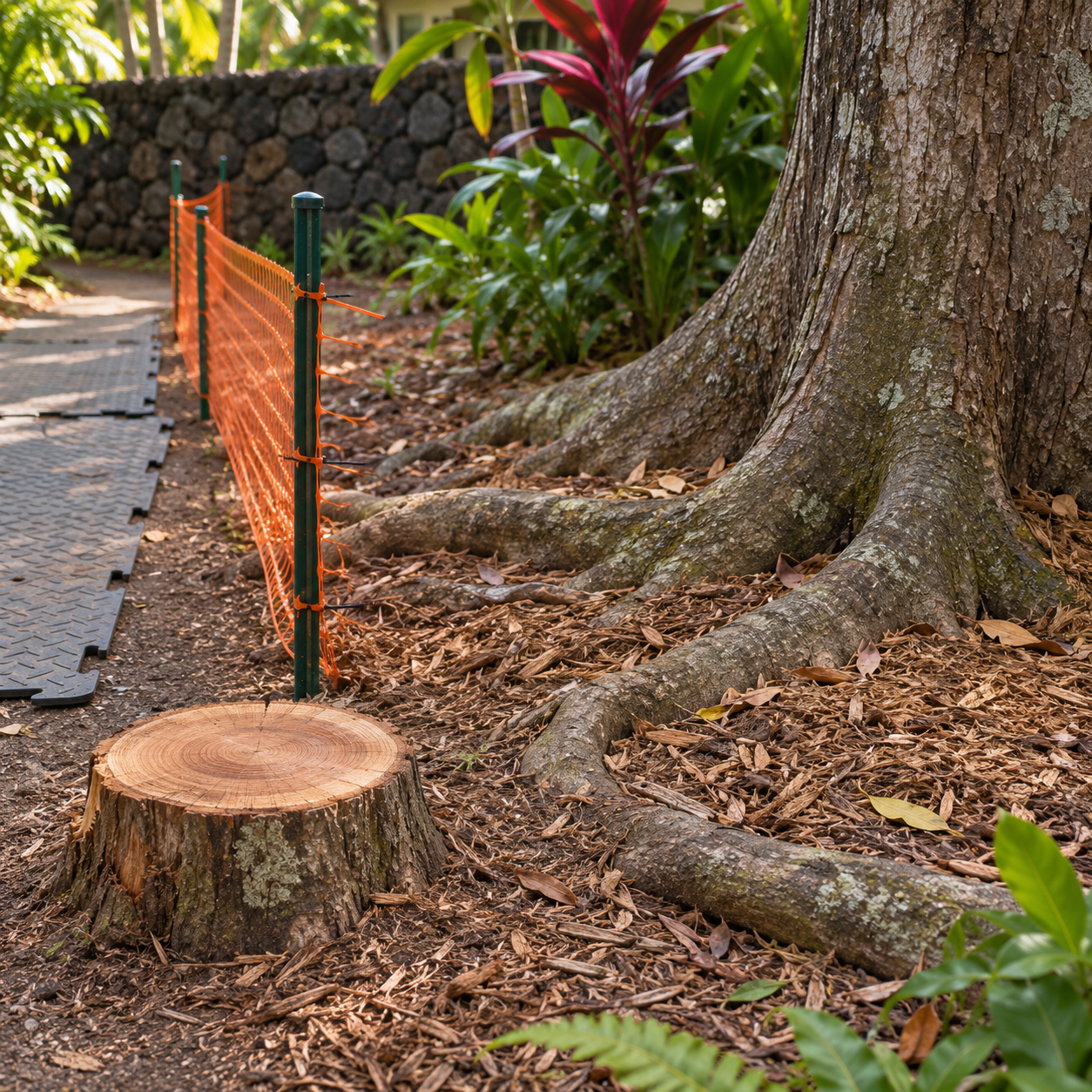
Ask how branches and trunk sections will travel out of the group, where equipment will operate, and which areas around retained trees need protection. A neighboring tree should not be assumed suitable as a rigging anchor simply because it is conveniently located.
Stump work deserves a separate discussion. Grinding or excavating beside retained trees may encounter their roots. Agree on the intended stump treatment and limits of disturbance before accepting a proposal that includes complete clearance of the area.
Turn the Choice Into a Clear Written Scope
Before work begins, identify the selected tree using a labeled photograph and an agreed marking method. Record why it was chosen, which trees must remain, the access route, and the stump-work limits. Confirm ownership and any applicable restrictions before authorizing removal.
Check ownership and whether any retained or proposed removal tree is designated under Honolulu’s exceptional-tree regulations. Confirm any required approvals before work.
Keep photographs of the retained trees for comparison afterward. Ask what changes would justify reassessment, such as new cracking, fresh leaning, or substantial crown decline. Avoid prescribing extra pruning or fertilizer automatically; follow-up care should address the trees’ actual needs.
The strongest choice leaves a group that still works for the property. Select the tree by the condition and usefulness of what remains, then make protection of those remaining trees part of the job.

Written By:
Kurt Manalastas
Environmental Property Care Content Writer
Kurt produces research-driven content centered on tree care, landscaping, and environmental property management. Drawing from arborist-informed practices, site-specific conditions, and practical homeowner concerns, he provides clear, actionable guidance to help readers maintain safer, healthier, and more sustainable outdoor environments.