Can You Trim a Koa Tree in Oahu? What to Know Before Cutting
Pruning Safety Check:
Trimming a koa tree in Oahu is possible, but it should be done carefully because poor cuts can weaken the tree, invite decay, or create long-term safety issues. Homeowners should only handle light, reachable pruning and call a professional for large limbs, height work, protected trees, or structural concerns.
A koa tree definitely makes a yard in Oahu feel rooted in the island’s natural character, but what happens when its branches start reaching over a roof, blocking light, or growing too close for comfort? For homeowners searching for tree trimming services in Honolulu, HI, trimming a koa tree is possible and may look simple at first, but one careless cut can affect its health, shape, and long-term safety. Before grabbing a saw, it helps to know what can be trimmed, what should be left alone, and when the job is better handled by a professional.
Koa Deserves a Careful Approach
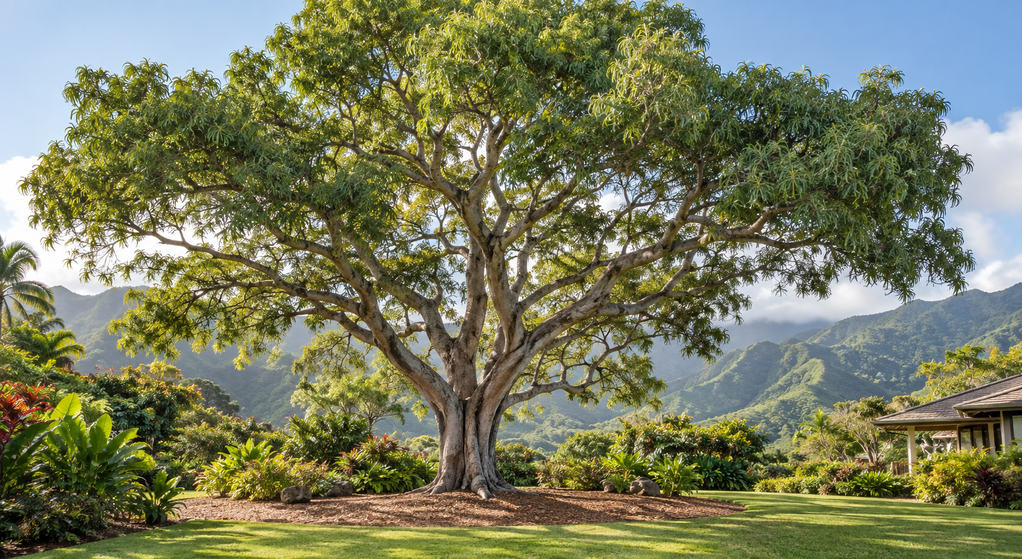
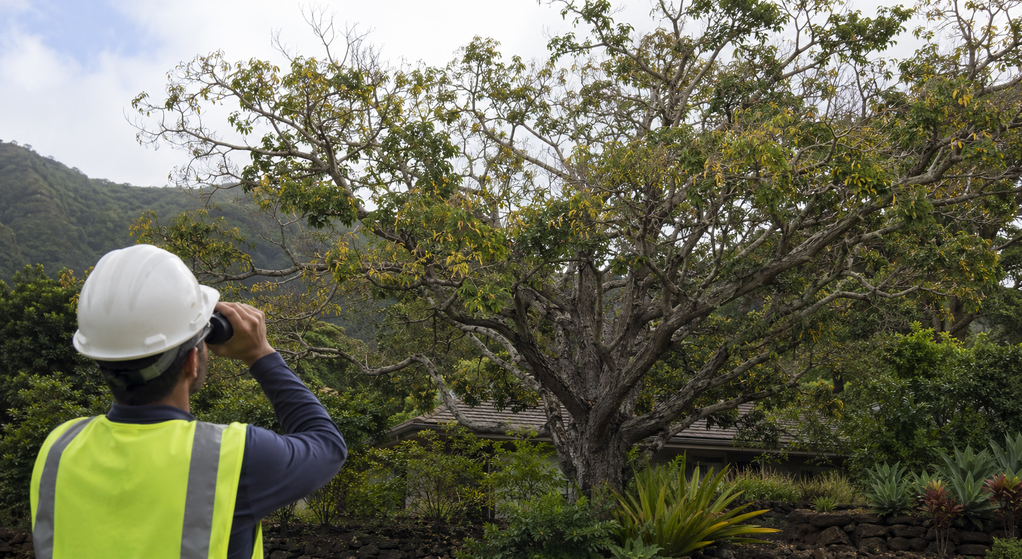
Koa, or Acacia koa, is an important native Hawaiian tree. At Oahu Tree Trimming and Removal Experts, our professional arborists describe koa as endemic to Hawaii and one of the most important native tree species in the islands, reaching about 115 feet. That should change how a property owner thinks about cutting it. Careless pruning can weaken both its structure and character.
In our work around Oahu, especially where homes sit close to mature canopy, the biggest mistake people make is treating trimming as a cosmetic job. They want a cleaner view, more light, or less leaf litter, so they remove live branches without thinking about how the tree will respond. Professional pruning standards remind property owners that every cut can change tree growth, and no branch should be removed without a reason.
When Light DIY Trimming May Be Reasonable
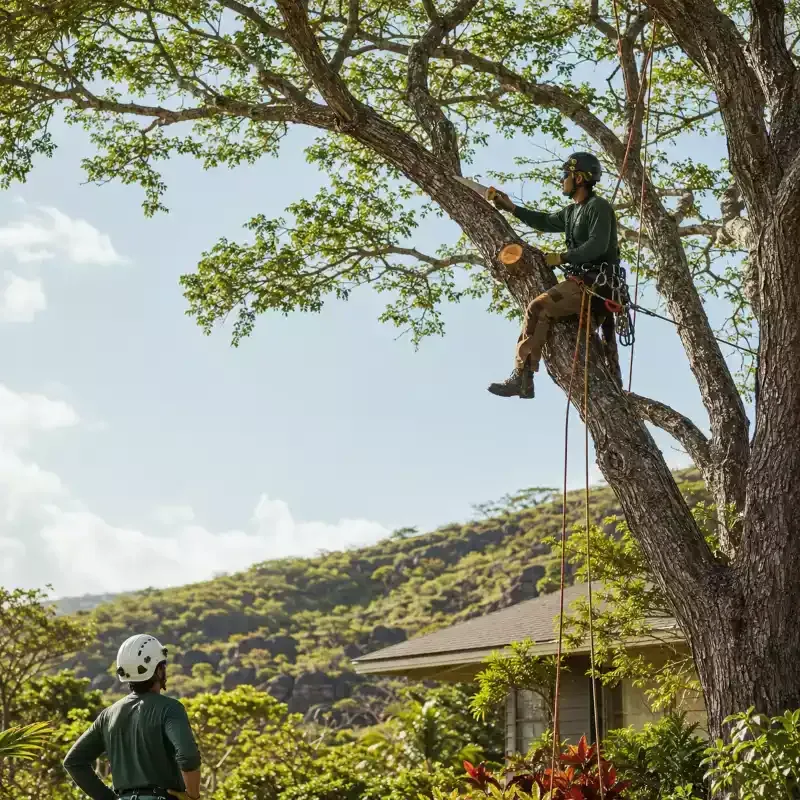
DIY trimming can be reasonable when the branch is small, reachable from the ground, and clearly dead, broken, diseased, or lightly interfering with a walkway. Light pruning in Hawaii can often be done throughout the year, and dead, broken, or diseased branches can be removed when they appear. The key is light. If the job requires a ladder, climbing, overhead chainsaw work, or cutting a heavy limb, it has moved beyond casual homeowner work. Learn more about the benefits of hiring tree professionals before tackling more complex tree work yourself.
The safer DIY range is hand-pruner work or small lopper work. Once the cut involves a woody branch with weight, tension, or attachment close to the trunk, the risk changes. A bad cut can leave a wound that struggles to close, invite decay, or create weak regrowth.
Do Not Top a Koa Tree
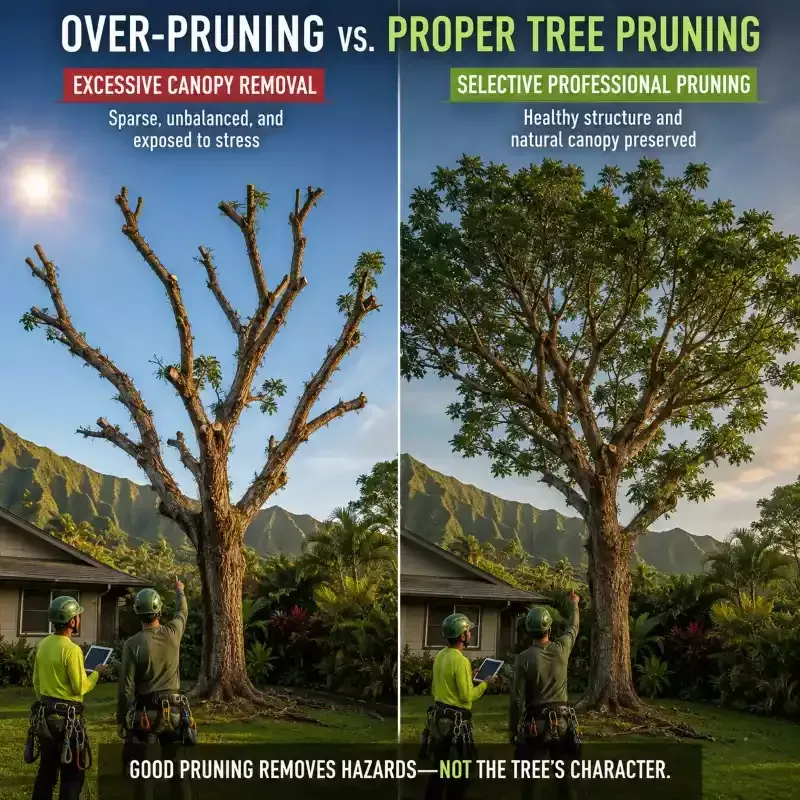
Topping is one of the worst choices for a koa tree. It means cutting large branches or the main leader back to stubs to quickly reduce height. It may look like a fast solution, but it creates a weaker and more hazardous tree over time. Honolulu’s Division of Urban Forestry identifies topping as a harmful pruning practice that can lead to tree stress, decay, and higher risk.
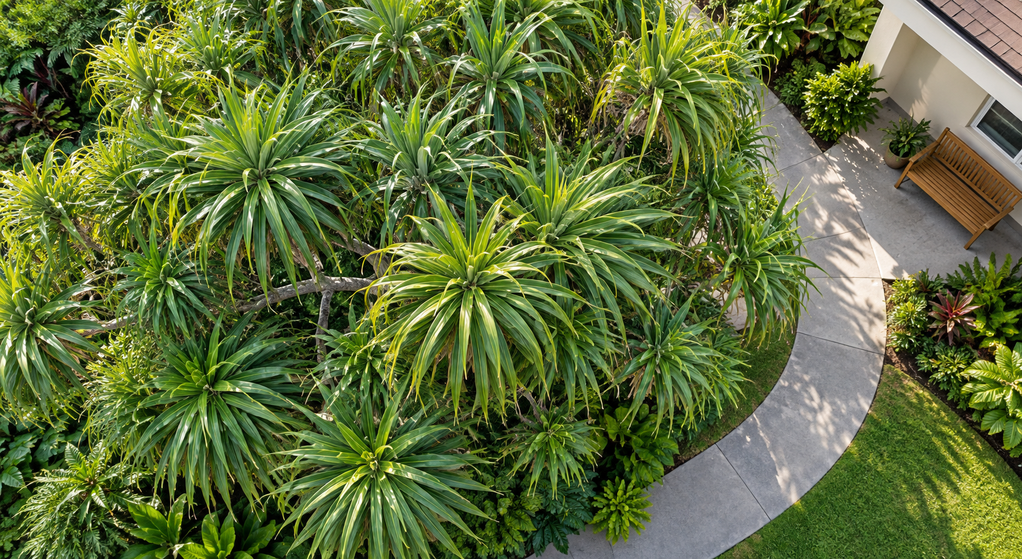
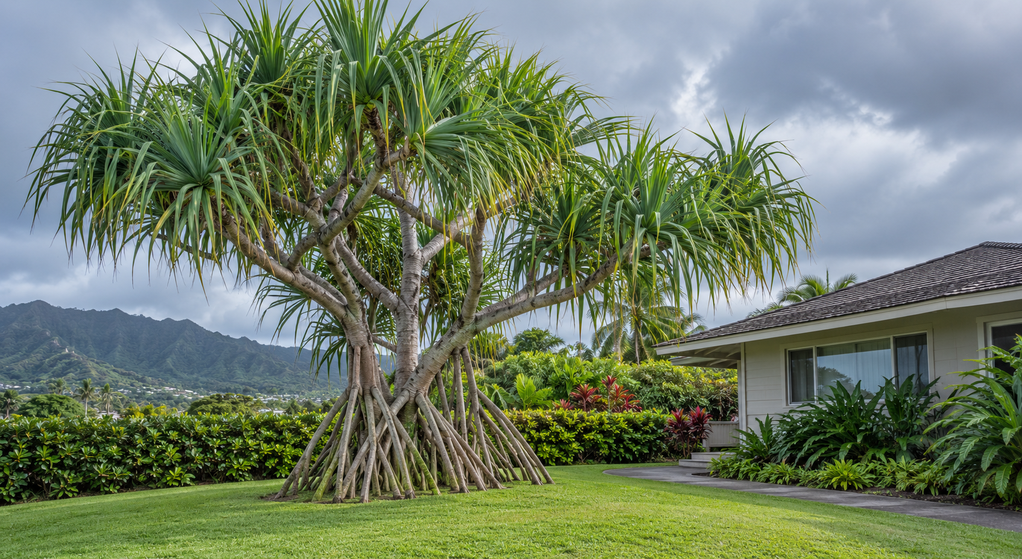
This matters in Oahu because exposure differs by neighborhood. A koa on a windy East Honolulu slope, above a driveway in Manoa, or near a home in Kailua faces different pressure than a young koa in a protected yard. Removing too much canopy can change wind load, sun exposure, and branch balance.
Check Whether the Tree Is Protected or Public
Before cutting a koa tree in Oahu, confirm whose tree it is and whether it has special status. If the tree is on private property, Honolulu says the property owner can prune it. If it is a City tree, such as a tree in the right-of-way, homeowners may not prune it themselves and should request help from the Division of Urban Forestry.
There is also the Exceptional Tree issue. Honolulu’s Exceptional Tree Program protects trees that meet criteria such as historic or cultural value, age, rarity, size, aesthetic quality, location, or endemic status. The City states that exceptional trees require an approved permit before tree work is done. Since koa is endemic and can have cultural and landscape value, checking first is the smarter decision.
Common Koa Trimming Mistakes
First is cutting for appearance only. A koa tree does not need to look perfectly symmetrical to be healthy. The second mistake is removing too much live canopy at one time. ISA guidance generally warns that mature trees should be pruned conservatively, with no more than 25 percent of the crown removed at once and less for mature trees. For koa, that should be treated as an upper limit, not a target.
The third mistake is making flush cuts. A correct pruning cut should preserve the branch collar, the slightly swollen area where the branch meets the trunk or a larger limb. Cutting flush into the trunk removes tissue the tree needs for wound response. Leaving a long stub is also poor practice because the stub can die back and invite decay.
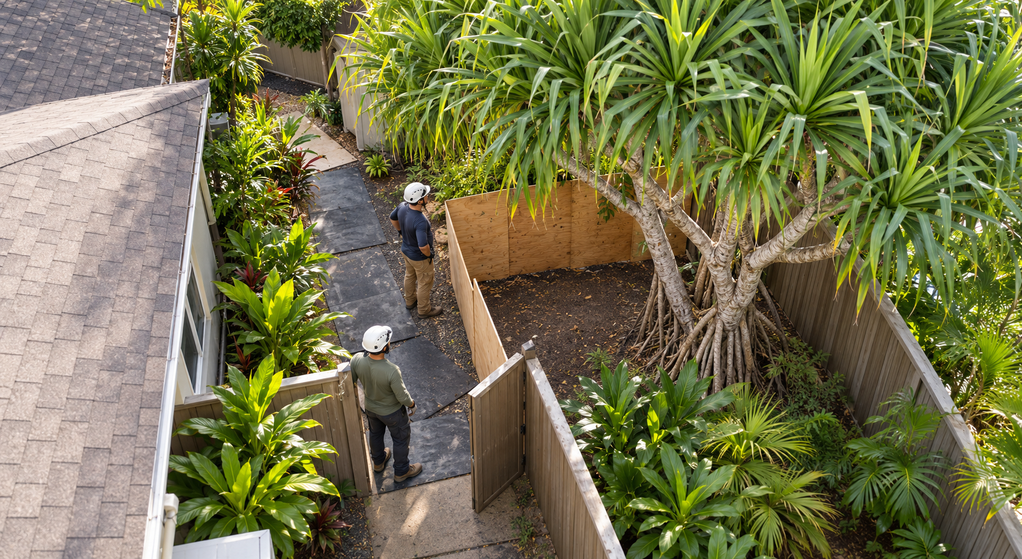
The fourth mistake is ignoring what is around the branch. A limb over a roof, fence, driveway, utility line, or neighboring property can swing, split, or drop unpredictably. Based on more than 8 years of hands-on tree service work in Hawaii, including technical climbing and safety-focused rigging, those are the situations where experience matters most. To learn more about safe, effective pruning methods, explore these
ISA-approved tree pruning techniques.
When to Call a Professional
Call a professional if the branch is large, high, heavy, cracked, leaning, near a structure, near utility lines, or attached to a stressed tree. Also call if the goal is crown reduction, clearance over a home, storm preparation, root pruning, or correcting past over-trimming. These jobs require judgment, not just tools.
A qualified crew should explain what will be removed, why it should be removed, and how the cuts will protect the branch collar. On Oahu, that local judgment matters because humidity, storm growth, fast regrowth, and past over-topping are common tree issues.

Written By:
Kurt Manalastas
Environmental Property Care Content Writer
Kurt produces research-driven content centered on tree care, landscaping, and environmental property management. Drawing from arborist-informed practices, site-specific conditions, and practical homeowner concerns, he provides clear, actionable guidance to help readers maintain safer, healthier, and more sustainable outdoor environments.