How to Protect Koa Trees on Residential Properties in Oahu
Safety Insight
Protecting koa trees on residential properties in Oahu requires selective pruning, root-zone protection, careful watering, weed and fire-fuel control, and early attention to signs of disease or structural weakness. Homeowners should avoid topping, minimize soil disturbance, and use conservative maintenance practices that support the tree’s long-term health and stability.
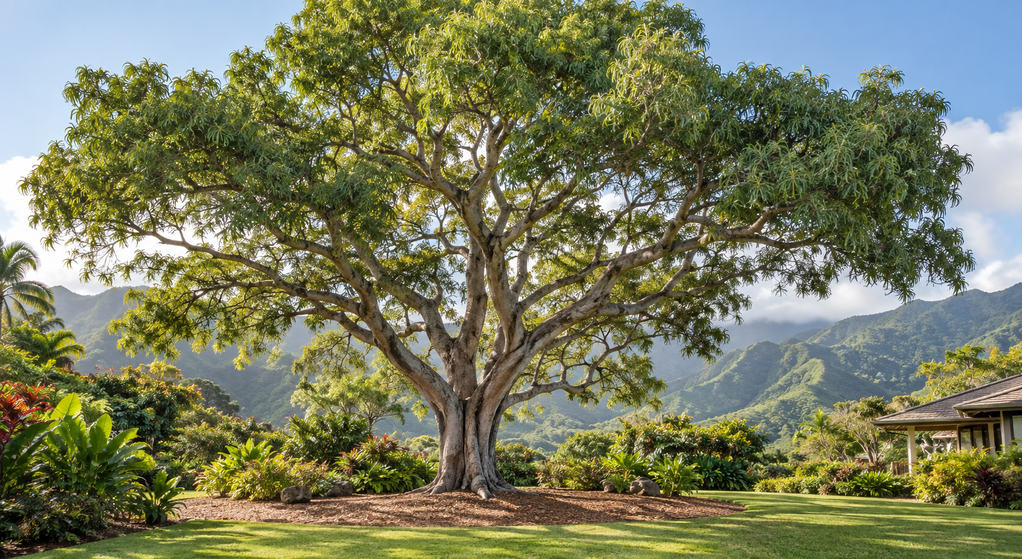
Koa trees deserve careful treatment. They are endemic to Hawaii, culturally important, and capable of becoming the largest native tree species in the islands. On residential properties, their size, spreading roots, sensitivity to poor pruning, and exposure to disease require deliberate management. Homeowners searching for tree trimming services in Hawaii should look beyond branch removal and choose a plan that protects the tree’s structure, roots, and long-term health.
The right approach is conservative, site-specific, and focused on prevention.
Begin With a Site-Specific Koa Assessment
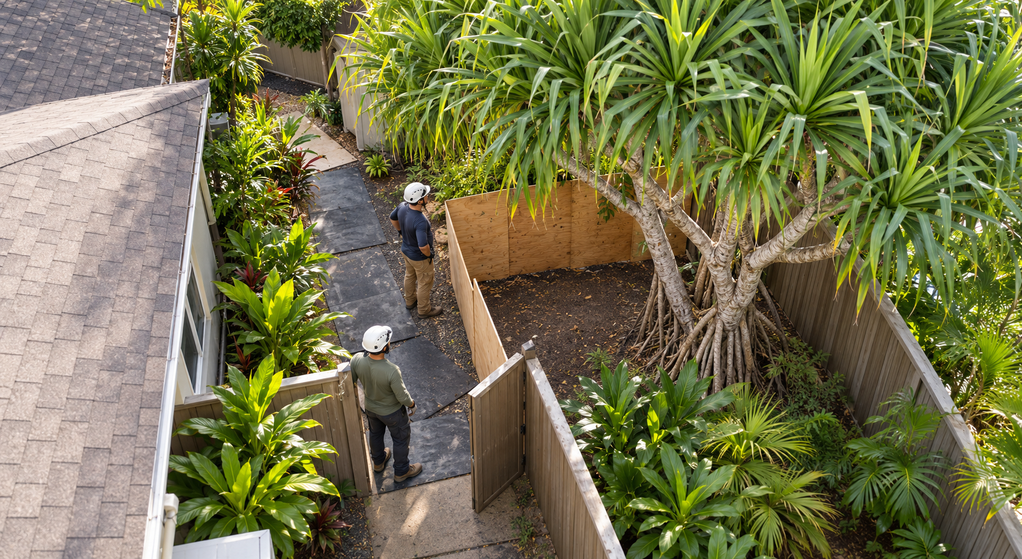
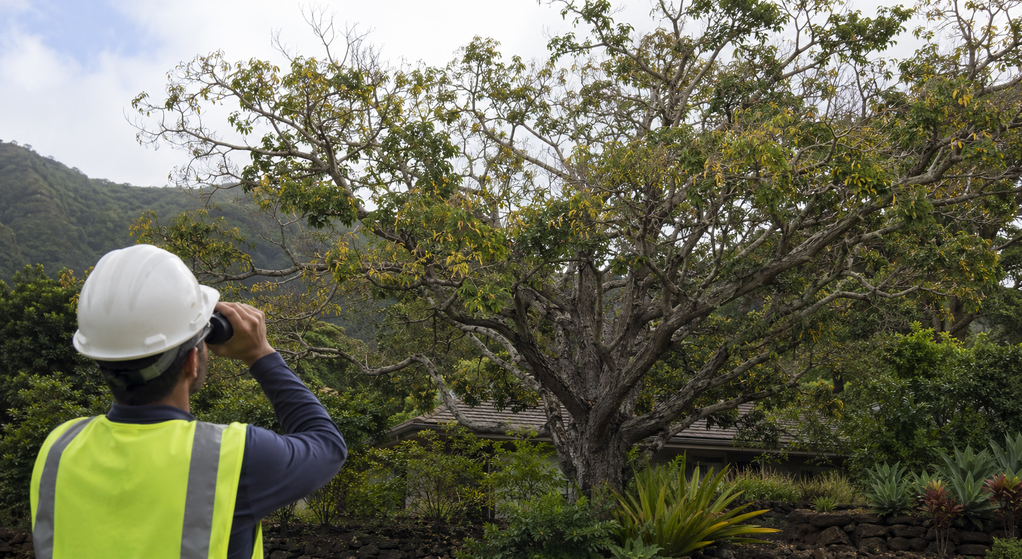
Oahu Tree Trimming and Removal Services recommends assessing the entire tree before making any cuts. A koa growing in wetter Windward Oahu may face different drainage and fungal pressures than one on a hotter, drier Leeward property. The inspection should consider trunk condition, branch attachments, canopy balance, soil moisture, nearby construction, utility clearance, and distance from the home.
Based on our work across Oahu, many preventable problems begin when owners react to one visible branch without considering the tree as a complete system. A heavy limb over a roof may need reduction, but removing too much live canopy can create stress and weak regrowth. Identify the actual risk, then use the least aggressive correction that solves it.
Never Top a Koa Tree
Topping is one of the most damaging ways to manage a mature koa. It removes major limbs indiscriminately, leaves large wounds, disrupts the natural canopy, and can produce fast-growing shoots with weak attachments. As decay develops around large cuts, the resulting structure may become more difficult to manage rather than safer.
Proper pruning should target dead, cracked, rubbing, diseased, or structurally weak branches. Understanding the best time to trim trees in Hawaii can also help reduce unnecessary stress and support healthier recovery. Cuts should be made outside the branch collar rather than flush against the trunk. Young koa may benefit from early structural pruning, but mature trees generally need a lighter hand.
Removing more wood does not automatically make a tree safer.
Protect the Root Zone From Damage
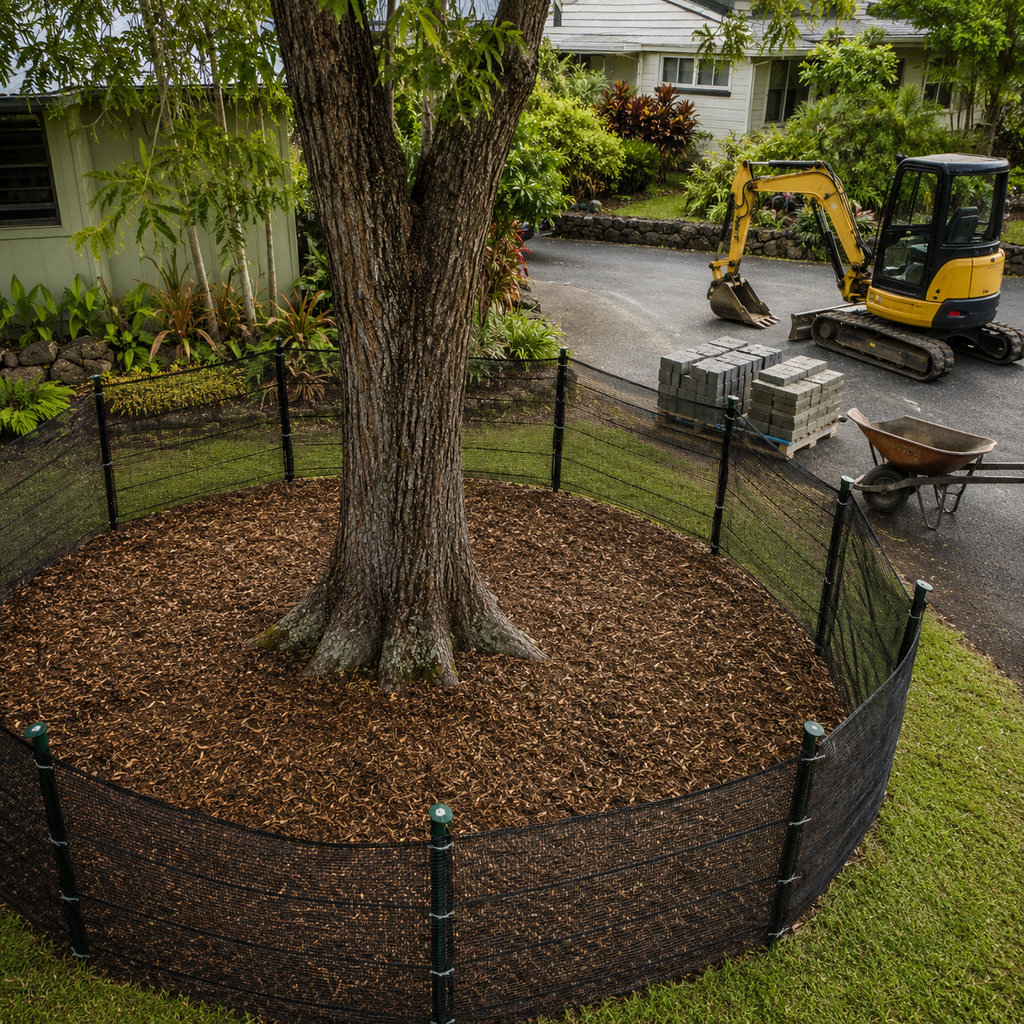
Koa roots need as much protection as the canopy. Excavation, trenching, driveway work, grade changes, and vehicle traffic can sever roots or compact soil. Lawn equipment can also cause lasting damage when it strikes the trunk.
Keep construction equipment, stored materials, and parked vehicles outside the root zone whenever possible. Maintain a broad mulch ring to reduce weed competition and protect the trunk, but do not pile mulch against the bark. A visible root flare and open space around the trunk can help reduce moisture-related problems around the base.
Watering should also reflect actual soil conditions rather than a fixed routine. Frequent shallow watering or excessive irrigation can contribute to poor root conditions, particularly where drainage is limited.
Root pruning should never be casual yard work. When roots conflict with pavement, walls, or utilities, the tradeoff involves property protection and tree stability. Cutting a major supporting root can reduce anchorage, especially on sloped lots or properties exposed to strong trade winds.
Reduce the Risk of Koa Wilt
Koa wilt is caused by the soil-borne fungus Fusarium oxysporum f. sp. koae. It can cause yellowing, wilting, canopy decline, internal staining, and death. There is no simple homeowner treatment that reliably cures an infected tree, so sanitation and prevention remain the practical priorities.
University of Hawaiʻi Forestry Extension guidance emphasizes limiting the movement of potentially contaminated soil and plant material from affected areas.
Do not move soil, roots, or wood from a suspected infected site to another part of the property. Clean soil from boots, tires, digging equipment, saws, and pruning tools after working near a declining koa.

Tools used on a suspect tree should be cleaned and disinfected before touching another koa.
Root pruning should never be casual yard work. When roots conflict with pavement, walls, or utilities, the tradeoff involves property protection and tree stability. Cutting a major supporting root can reduce anchorage, especially on sloped lots or properties exposed to strong trade winds.
Watch for sudden yellowing, wilted foliage, rapid canopy thinning, dark vascular staining, bark problems, or unusual sap flow. These symptoms do not prove koa wilt, but they justify evaluation before pruning or removal potentially spreads contaminated material.
Control Weeds, Fire Fuel, and Animal Damage
Invasive grasses and aggressive weeds compete with young koa for water and nutrients. Dry grass can also increase fire exposure, especially on Leeward Oahu properties. Weed control should avoid cutting surface roots or striking the trunk.
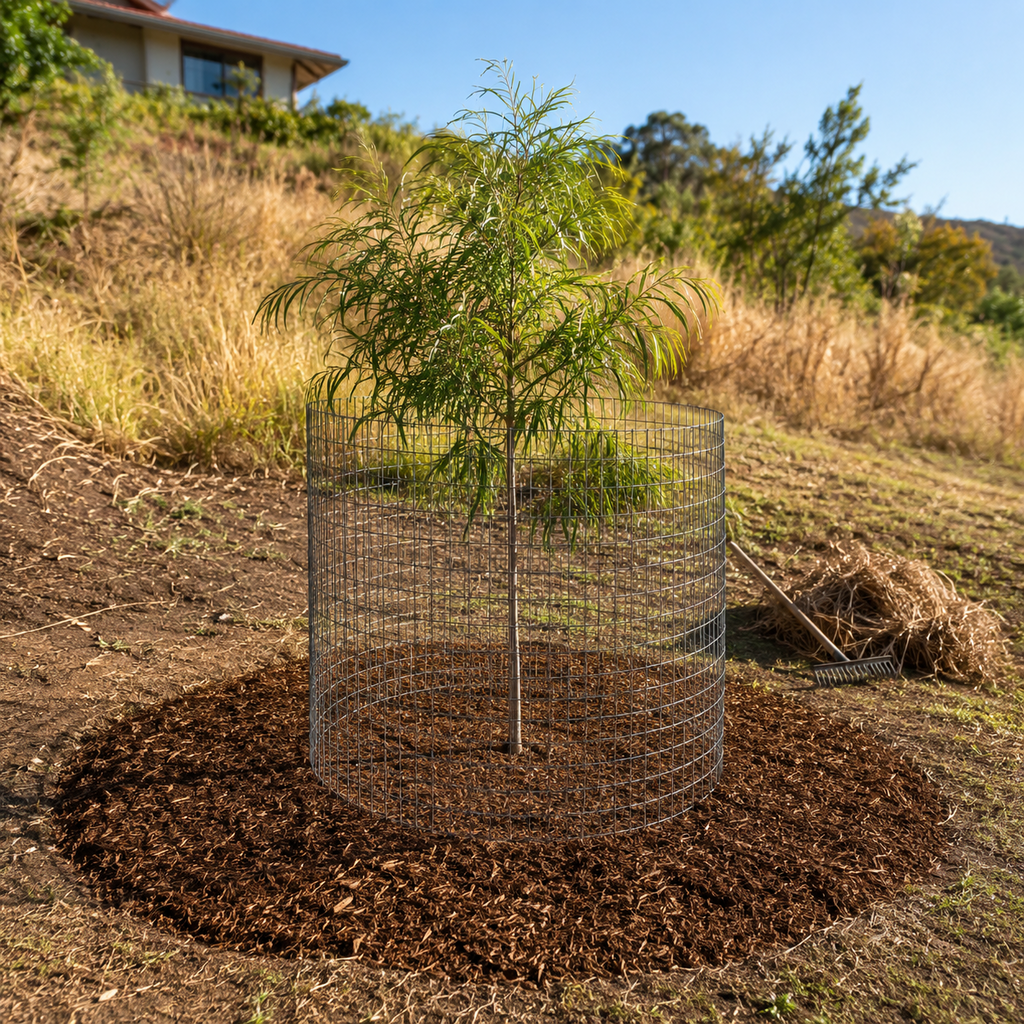
Where pigs, goats, deer, cattle, or other browsing animals are present, young koa should be fenced or individually protected. Browsing animals can consume seedlings, damage young trees, and disturb surrounding soil, while invasive vegetation can compete with developing koa for space, water, and nutrients.
The goal is to reduce pressure around the tree without creating additional root or trunk damage in the process.
Use Water Carefully
A fixed watering schedule is rarely appropriate across Oahu. Koa on a newly planted, exposed Leeward site may need supplemental irrigation while establishing. A tree in a rainy Windward location may need little extra water and could suffer if the soil remains saturated.
Water slowly and deeply when the soil indicates a genuine need, then allow drainage. Avoid daily surface watering that encourages shallow roots.
Yellow leaves may signal excessive moisture, root injury, nutrient problems, disease, or drought. Diagnose the likely cause before simply adding more water.
Create a Long-Term Maintenance Plan
Residential koa trees should be inspected periodically and after major wind events, especially when limbs extend over roofs, driveways, walkways, or neighboring property. Based on our experience with annual and quarterly maintenance, small structural concerns are easier to address before they require aggressive cutting.
When an inspection shows that pruning may be appropriate, homeowners should review what to know before trimming a koa tree in Oahu so tree health, branch condition, canopy structure, and nearby safety concerns guide the decision before any significant cuts are made.
The takeaway is straightforward: protect the roots, avoid topping, prune selectively, control site stress, and respond early to suspicious decline. A healthy koa should be managed as a living structural asset, not trimmed only when branches become inconvenient.
When work involves climbing, rigging, large limbs, root cutting, or possible disease, use a licensed and insured Hawaii tree-care provider that follows appropriate professional tree-care practices.

Written By:
Kurt Manalastas
Environmental Property Care Content Writer
Kurt produces research-driven content centered on tree care, landscaping, and environmental property management. Drawing from arborist-informed practices, site-specific conditions, and practical homeowner concerns, he provides clear, actionable guidance to help readers maintain safer, healthier, and more sustainable outdoor environments.